“Terrace House”: The Kinder, Gentler Japanese Alternative to Reality TV
"Terrace House" improves on the standard reality TV format by affording its cast privacy, freedom, and respect.
Incluvie – Better diversity in movies.
Identity in film with Incluvie stamps, scores, reviews.
Incluvie – Better diversity in movies.
Explore identity in film with Incluvie stamps, scores, reviews, and insights.


This new space sci-fi film has earned a fair amount of attention and applause with its comedic charm. With communicating with aliens being a major theme, the film doesn’t sufficiently explore the possibility of languages. A not-so-short period of screen time depicts the detailed progress of how the protagonist, Grace, became able to communicate with the alien, Rocky. Grace cleverly picked the universal language of mathematics as the initial bridge, but it’s an unmoving clock with 12 numbers that finally broke the ice and made the progress—the 12-hour rotation that means nothing on other planets. Subsequently, the advanced translation program that Grace built seemed to operate live interpretation with little or no delay. However, it’s hard not to notice that this advanced machine couldn’t cross the mere limit of English: it can’t put the subject, verb, and object into the correct order, and it can’t directly translate the sentences with the word “question” at the end into a question. It’s an inconsistency that the program can translate sentences in different tenses, yet it can’t do the basic tasks that regular translation apps can do when they translate other human languages into English. While the abstract information was shared by the two parties, it’s an obvious attempt to remind the audience from time to time that Rocky spoke a language distinct from humans.
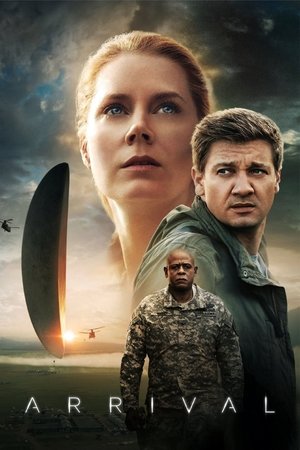
I can’t help but think about Story of Your Life by Ted Chiang, which is also adapted into film (Arrival by Denis Villeneuve). In that story, the limit of human language is explored, and it experiments with the concept of determinism. Therefore, the logic of the alien language is fundamentally different there. The magic of linguistic aspects is easy to look past for the hard science fiction works.
Dune, based on the novel of the same name written by Frank Herbert in 1965, depicts a complex story with a lot of similarities to present-day society. It is set in the year 10,191 when human beings have spread throughout the universe. They fight for control over a very special edible resource called “the spice”, thanks to which they can live longer, comb through space, and travel very fast through the universe.
It is impossible to write a review about Villeneuve’s Dune without mentioning David Lynch’s version. After the 1984 premiere, its commercial reception was so negative and the critics so harsh that the master of Missoula disowned the film. The main reason was a very common situation in the art world: producers or patrons usually demand a unique artistic vision, but those visions often have to fit into narrow boundaries. Once changed to fit those confines, the products do not express everything directors originally wanted to tell.
Lynch wrote the script together with Brian Herbert and shot a film eight hours long, reduced to five hours by himself after editing it. The problem was that producer Dino De Laurentiis refused to release the film due to economic matters. For Lynch’s part, he also refused the 137-minute version of the film that was finally released in theaters.
Several troubles can be found in this picture due to the drastic cut it suffered. One of the worst is that the story is so fragmented that it is very difficult to follow. A bunch of characters, planets, and ethnicities are presented at an extremely accelerated pace. At some point, you just miss the point the film is trying to make. You start to see big worms, an incomprehensible romance, and a pointless war depicted in Lynch’s film.
After debuting with the peaceful, slow burner Arctic (2018), director Joe Penna brings to us his new production, Stowaway (2021). It seems that the Brazilian filmmaker has a predilection for the survival genre.
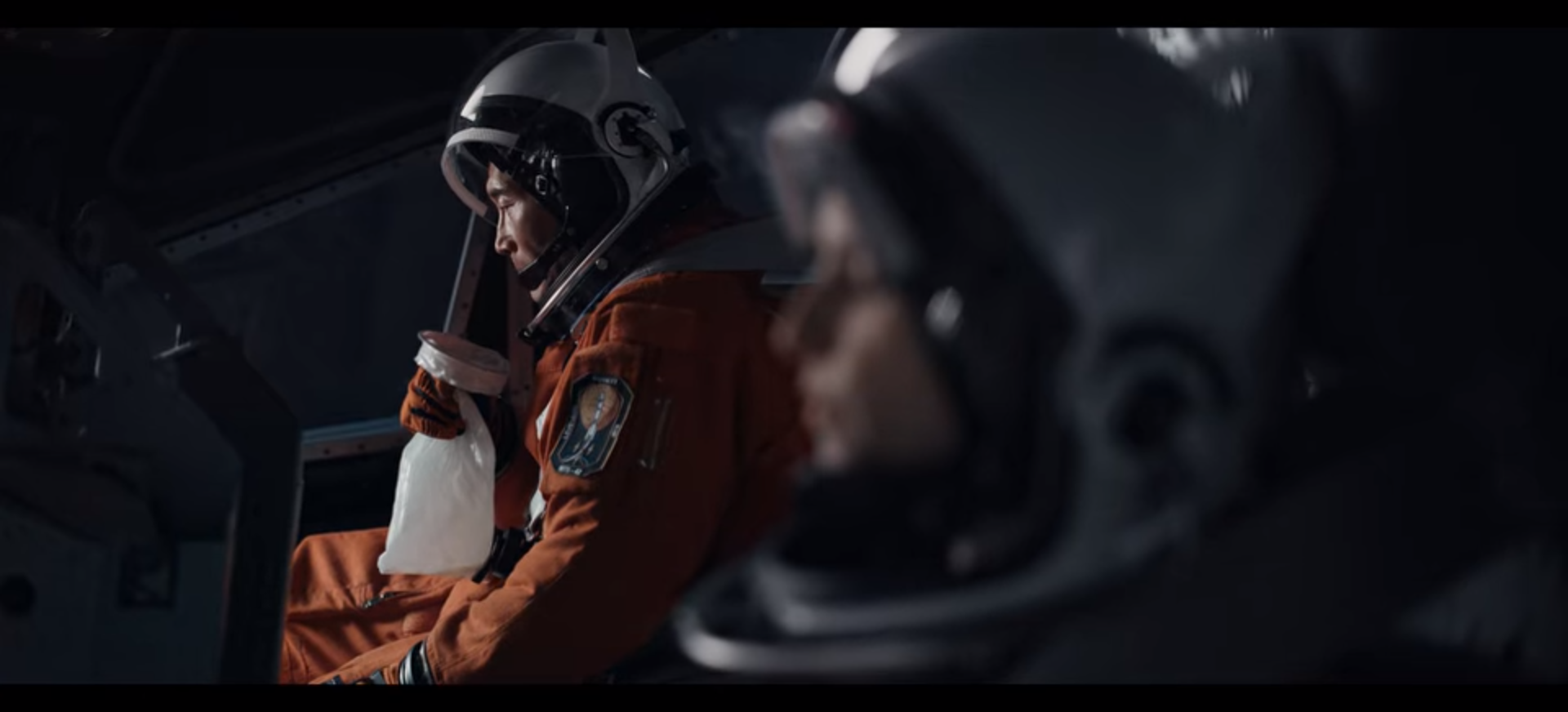
In Stowaway, he narrates the story of a starship crew (Anna Kendrick as Zoe Levenson; Toni Collette as Marina Barnett; and Daniel Dae Kim as David Kim) struggling with serious technical problems on a two-year mission to Mars. During the trip, they discover aboard the presence of Michael (Shamier Anderson), a stowaway who jeopardizes everyone’s life on board. Due to a lack of resources, the only possible solution is to sacrifice the stowaway. Other way, the whole mission would be compromised, and all the crew would die.
In this sense, the movie is like other pseudo-scientifical productions released over the last decade. For instance: Gravity (Alfonso Cuarón, 2013), which talks about outer space survival too; Arrival (Denis Villeneuve, 2016), where the most interesting thing is how they address the issue of communication between humans and an extra-terrestrial civilization; and The Martian (Ridley Scott, 2015), existing a strong resemblance between this one and Stowaway, especially in the part where we can see different scientists realistically doing very specific lab work.
After starting with one of the most successfully spaceship takeoff shot I can remember, the action rapidly puts the spectator in outer space. It seems that Penna knows how to use the silence and characteristic deep space quietness in some scenes to transmit distress and mystery. Right after it, he introduces the crew to us; we can see that they are scientists, not superhumans, and they have their flaws, just like everyone else. For example, David, the biologist, suffers from vertigo, and Marina, the ship commander, gets anxious when she must deal with some unforeseen problems.
From Mary Shelley's Frankenstein to Octavia Butler's groundbreaking works of Afrofuturism, women have always been pioneers when it comes to science fiction. Of course, you probably wouldn't know that from looking at cinema's biggest sci-fi hits. But despite Hollywood's ongoing bias toward stories by and about men, women are integral to many science fiction films, ranging from classic blockbusters like Star Wars to critically-acclaimed dramas like Children of Men. This Women's History Month, I wanted to celebrate these iconic characters (and the women who play them) for bringing so much to my favorite genre. In no particular order, here are 10 amazing women in science fiction films.
Guillermo del Toro’s robot-versus-monster slugfest delivers everything I want from a kaiju film: stunning visual effects, epic fights, and just the right amount of camp. Pacific Rim also boasts a diverse international cast and breaks from the strain of American exceptionalism that often runs through apocalyptic stories. While one of the film’s protagonists is a white man, Raleigh (Charlie Hunnam) shares a mech and the spotlight with Mako Mori, played by Japanese actor Rinko Kikuchi. Mako’s character arc follows the underdog-to-hero trajectory that’s often reserved for men. Despite her relative inexperience, she proves that she can hold her own against Raleigh and deserves to fight kaiju alongside him. Mako gets some truly badass moments during combat (two words: chain sword), but she also brings a surprising amount of emotional gravitas to what might otherwise be a one-note action film. From her tragic backstory to her accurate portrayal of PTSD to her touching relationship with her adoptive father Stacker (Idris Elba), Kikuchi’s performance ensures that the audience never forgets the human cost of disaster.
Pacific Rim is available on Hulu.

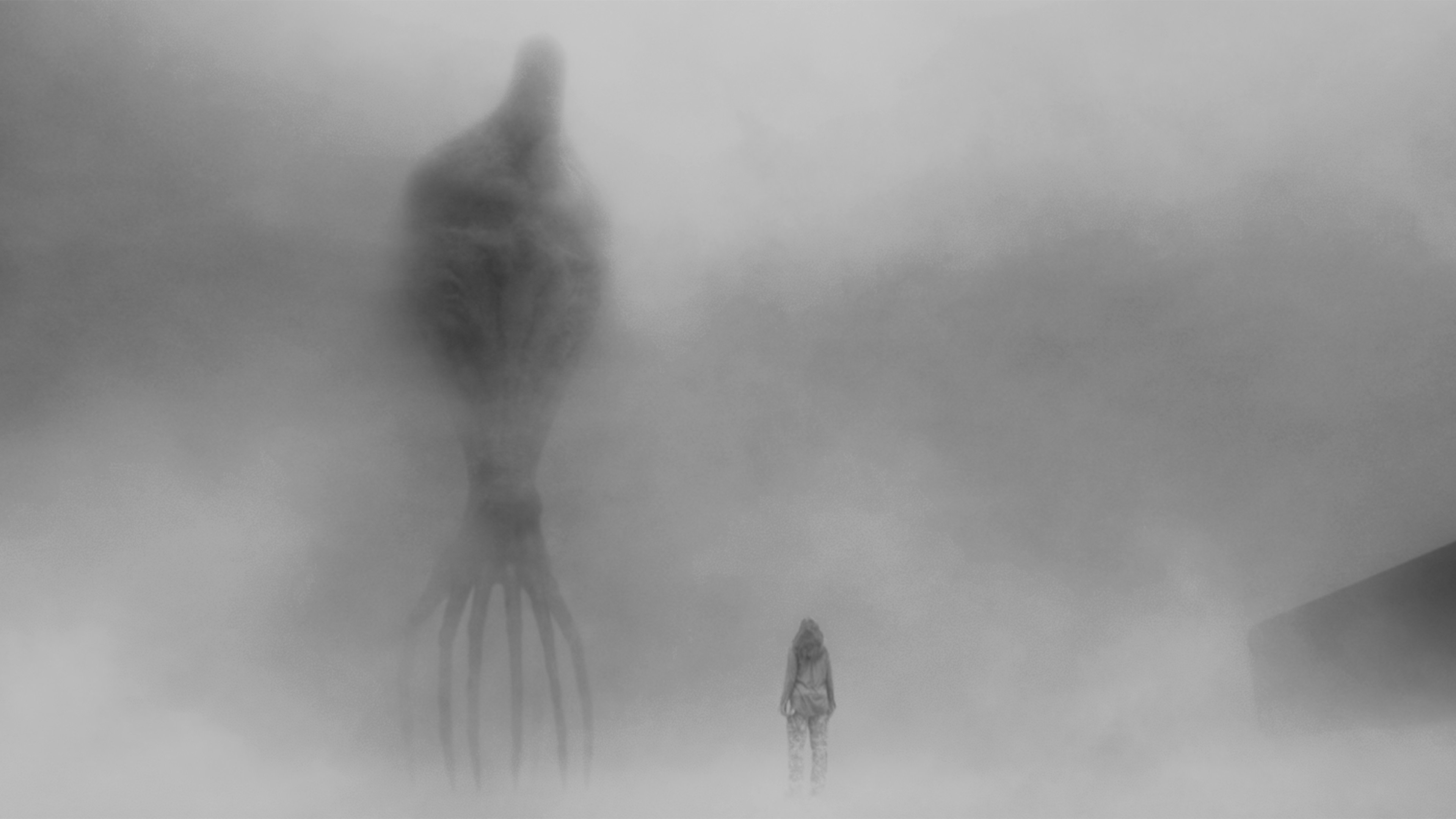
Taking place after alien crafts land around the world, an expert linguist is recruited by the military to determine whether they come in peace or are a threat.

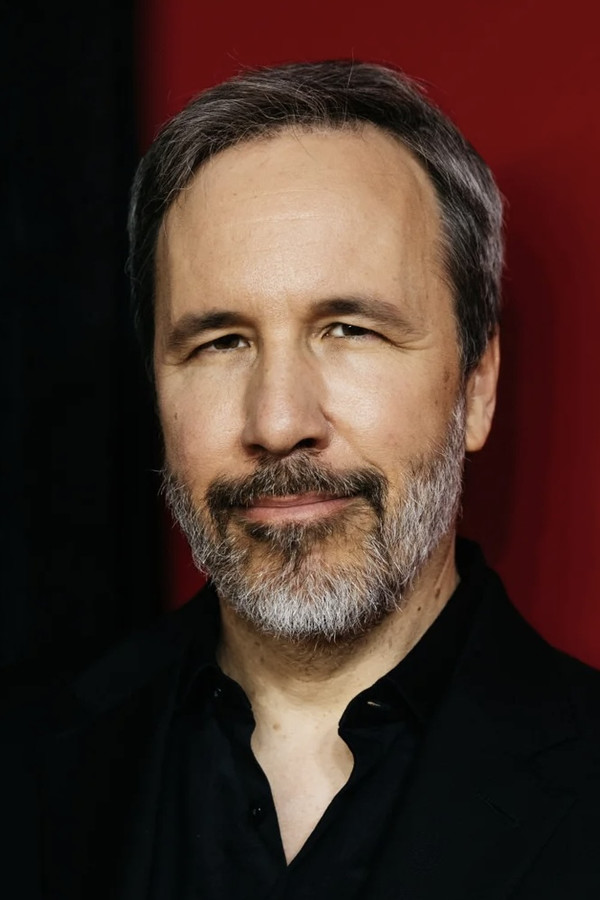
Denis Villeneuve
Director

Denis Villeneuve
Director

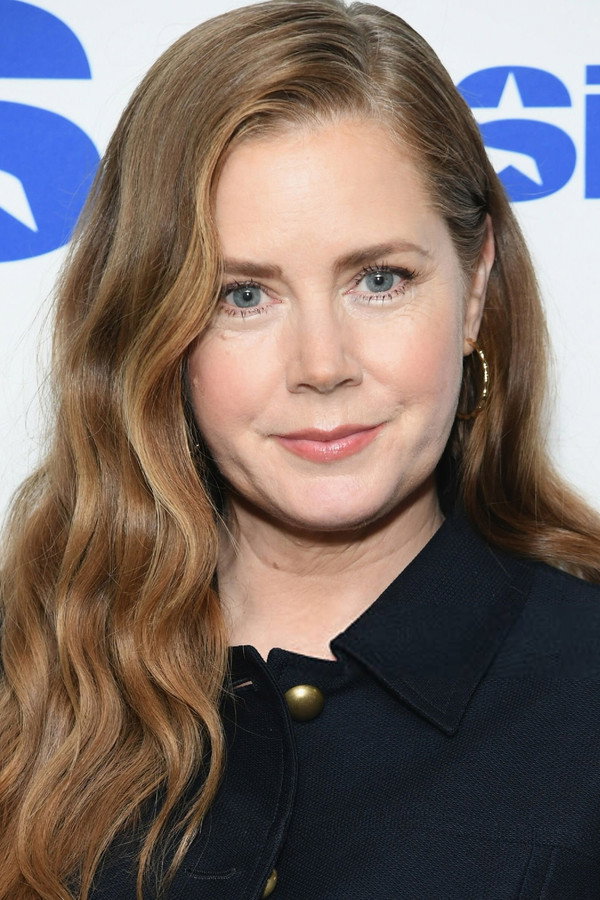
Amy Adams
Louise Banks

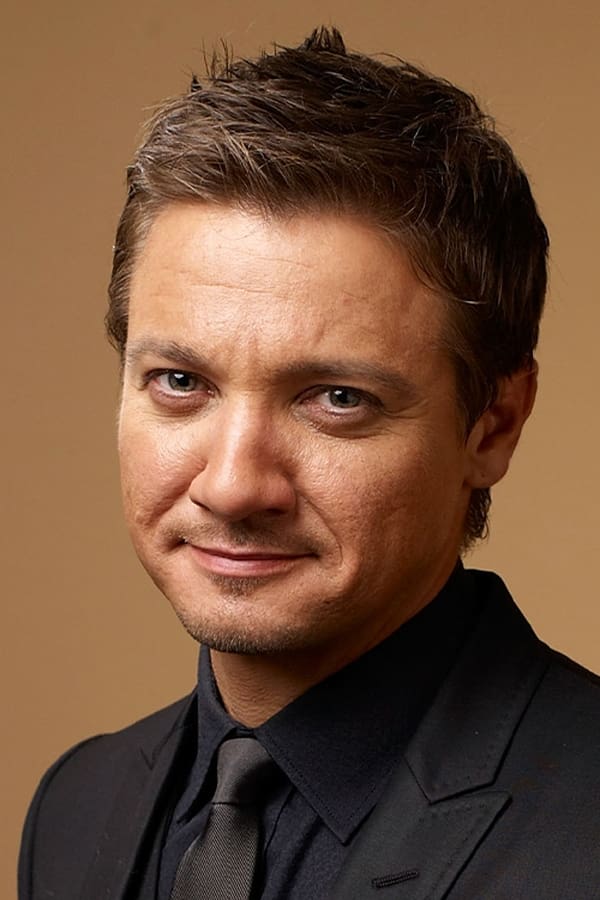
Jeremy Renner
Ian Donnelly

Forest Whitaker
Colonel Weber

Michael Stuhlbarg
Agent Halpern

Mark O'Brien
Captain Marks

Tzi Ma
General Shang

Abigail Pniowsky
8-Year-Old Hannah

Julia Scarlett Dan
12-Year-Old Hannah

Jadyn Malone
6-Year-Old Hannah

Frank Schorpion
Dr. Kettler

Lucas Chartier-Dessert
Private Lasky
"Terrace House" improves on the standard reality TV format by affording its cast privacy, freedom, and respect.
Disney has cleverly managed to dance around the misdeeds of their past by scraping by with an insincere action that does very little to incite any long-lasting positive changes.
"Marriage Story" is a narrow-minded and heavy-handed attempt to examine the complexity of human relationships.