




What We Do in the Shadows (of Our Closet Walls)
There’s enough evidence to insinuate that What We Do in the Shadows is intentionally queer-coded.
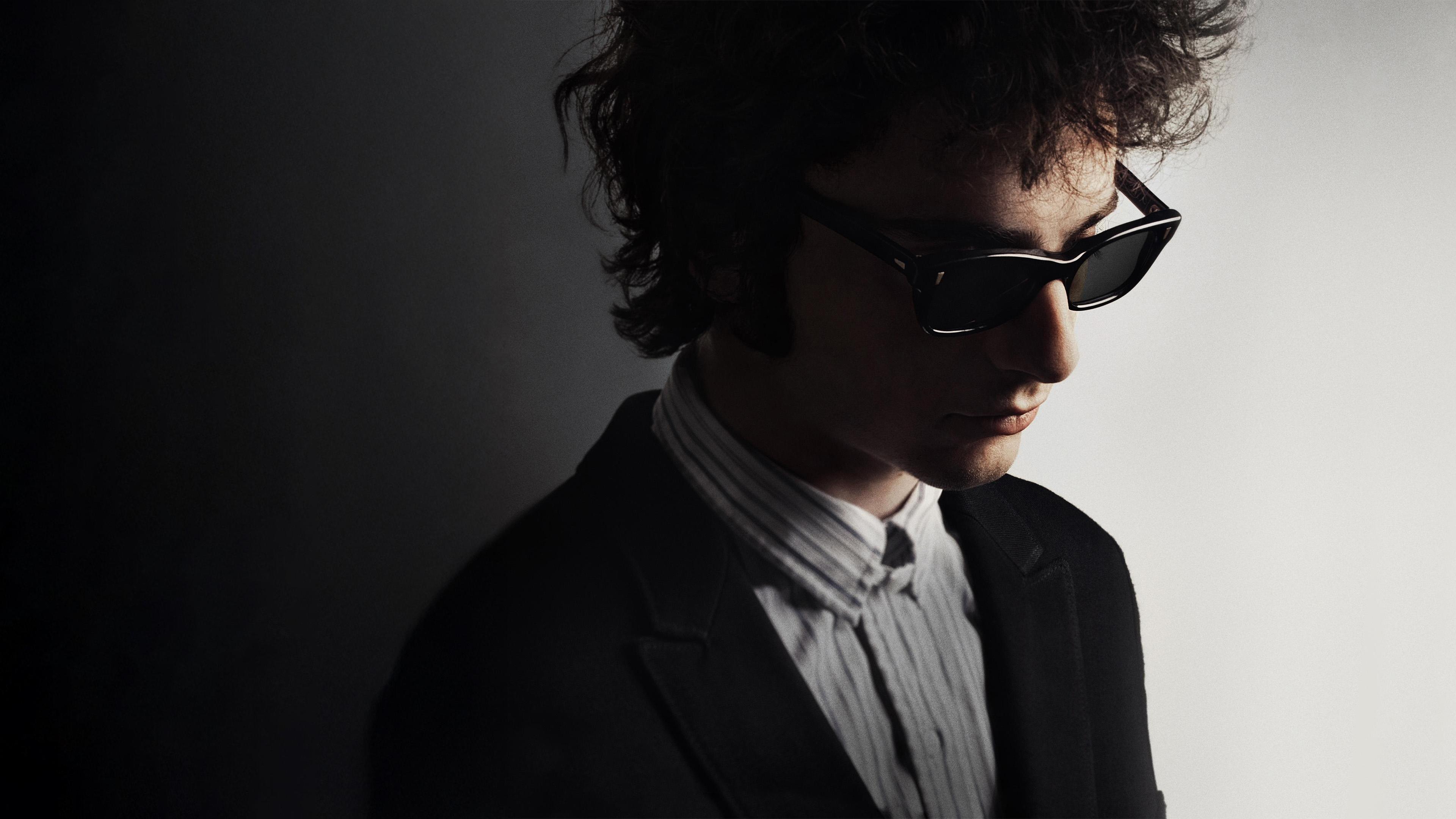
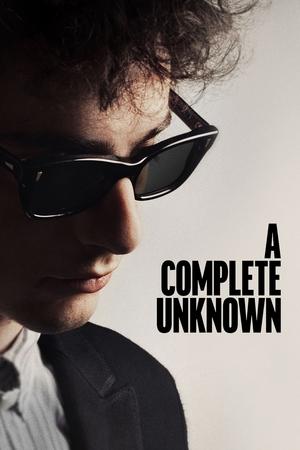


New York, early 1960s. Against the backdrop of a vibrant music scene and tumultuous cultural upheaval, an enigmatic 19-year-old from Minnesota arrives in the West Village with his guitar and revolutionary talent, destined to change the course of American music.
There’s enough evidence to insinuate that What We Do in the Shadows is intentionally queer-coded.
A successful author’s life is upended when she finds herself on a plantation straight out of the antebellum south.
... La huesera haunts her daily life, leaving people to question her viability as a mother, and Valeria’s lack of satisfaction with her life leave her asking similar questions. These misgivings reach their peak after the baby is born, when Valeria, visibly in a state akin to possession, locks her in the fridge when she won’t stop crying through the night
Joann Kohng’s Subject to IX tells the heartbreaking truth of the Title IX rules that colleges abide by.
Steven Soderbergh’s Contagion is a fan-favorite, as are some of the more science fiction angled movies like 28 Days Later or World War Z. I recently watched the 1995 Wolfgang Peterson-directed movie, Outbreak for the first time, which is currently available on Netflix.
Ultimately the problem with The Bubble is that it plays everything for laughs to get around the audience’s defenses. But it comes off like a privileged white male thinking that ridiculing everyone else equally is the road to equality. And it’s not. And it's definitely not funny to pretend that it is.