Power Dynamics, Gender and Sexuality in "Accused" (2026)
As an Indian lesbian living in the United Kingdom, the cards are stacked against Geetika from the start.
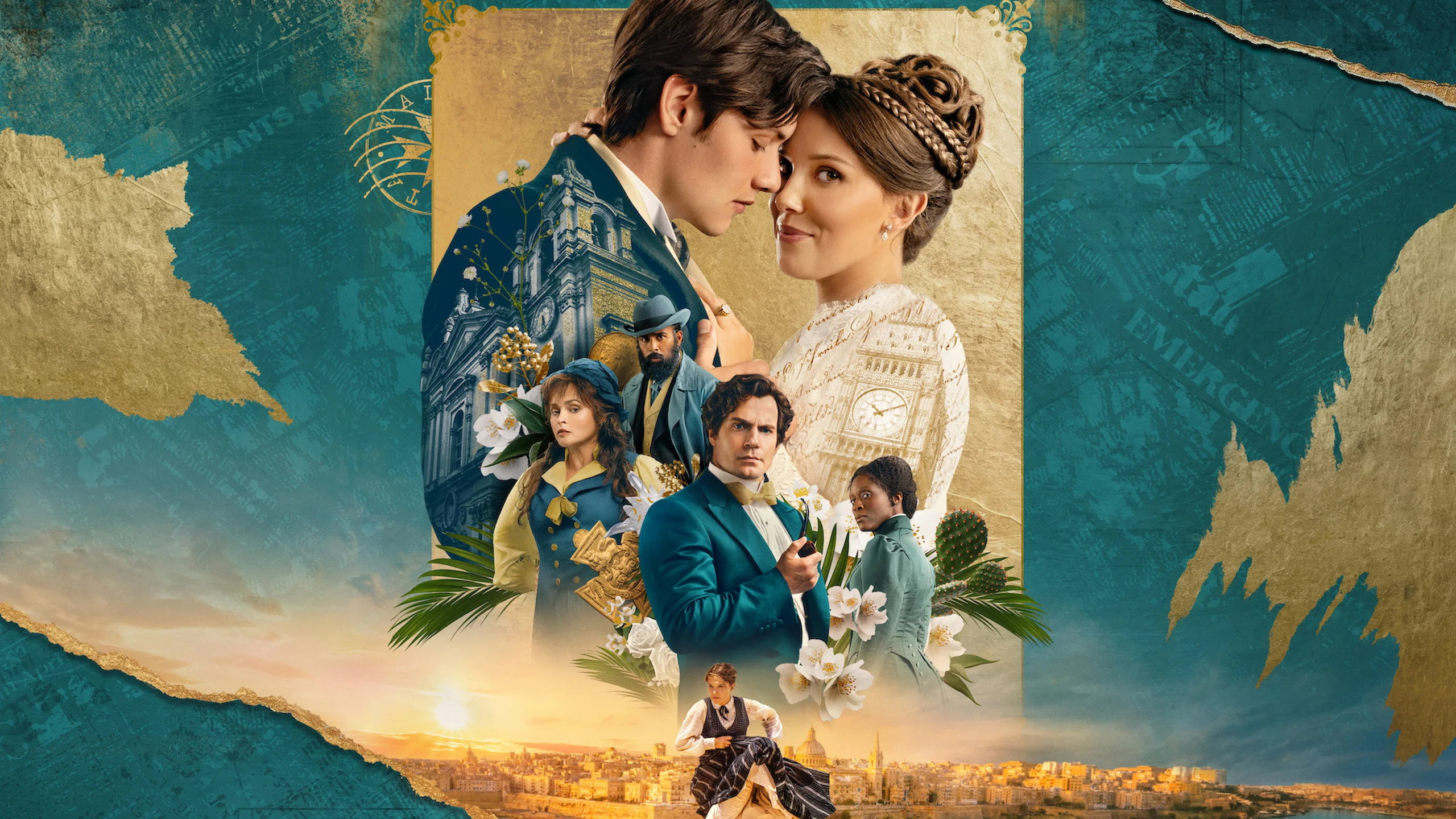
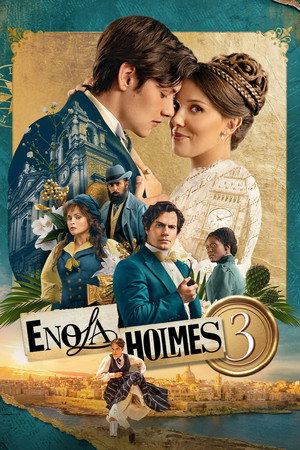


Netflix’s recent Millie Bobby Brown vehicle, Enola Holmes 3, is a disappointing and confusing entry in the stellar Enola Holmes franchise. Directed by Philip Barantini, the film stars Brown as Enola Holmes(estranged sister of Sherlock Holmes,) Henry Cavill as Sherlock Holmes, and Louis Partridge as her love interest, Viscount Tewkesbury. While it deserves credit for its exciting action scenes and attempts to expand the diversity of its Dickensian setting, the most recent entry in the series completely scuttles Enola’s underdog status from the first films that made her so charming and gave a touch of realism to the story of a young, unmarried woman living in London while self-employed as a detective.
Enola Holmes 3 opens with Enola on her way to her wedding to the Viscount of Tewkesbury. A dramatic scene ensues in which Enola must rip off her wedding accouterments and attack the man pursuing her carriage, who turns out to be Dr. Watson (Himesh Patel) asking for help because Sherlock has been kidnapped. In a flurry of flashbacks and narration to the camera, we follow Enola as she abandons her wedding, the hotel she’s staying at gets burned down, and her soon to be mother in law is kidnapped. With help from her mother (Helena Bonham-Carter), her pushover fiancé, the amenable Dr. Watson, and anticolonial Maltese freedom fighter (and comic relief) Mikiel Mizzi (Joe Azzopardi), she saves her loved ones and uncovers a conspiracy of silence around treasure plundered from Khost during the British invasion of Afghanistan. However, Enola’s character has changed dramatically since the first two films, and in some ways lost its effectiveness.
In the first two films, Enola was an underdog. In the first film, Enola Holmes, the titular character saves the Viscount of Tewkesbury from assassination as he was set to vote on a progressive reform bill. Throughout it, she flees imprisonment in a finishing school, finds her missing mother, and escapes the guardianship of her misogynistic brother Mycroft in order to set up a life for herself in London with the support of her radical suffragette mother. By the second film, she’s living unmarried and free, crushing on Tewkesbury, and supporting herself as a detective in a Victorian pastiche of modern 20-something aspirational living. It’s a little unrealistic, but it's grounded by Enola’s pluck and intelligence that allow her to outsmart the suffocating social standards faced by women in Victorian England. Combined with the sequel’s plotline of Enola helping factory workers strike, the series established itself as one about an underdog helping other underdogs when no one, not even the Great and Good Sherlock Holmes himself, would intervene on their behalf.

Adventure follows detective Enola Holmes to Malta, where her plans to tie the knot unravel when Sherlock's disappearance plunges her into a perilous case.
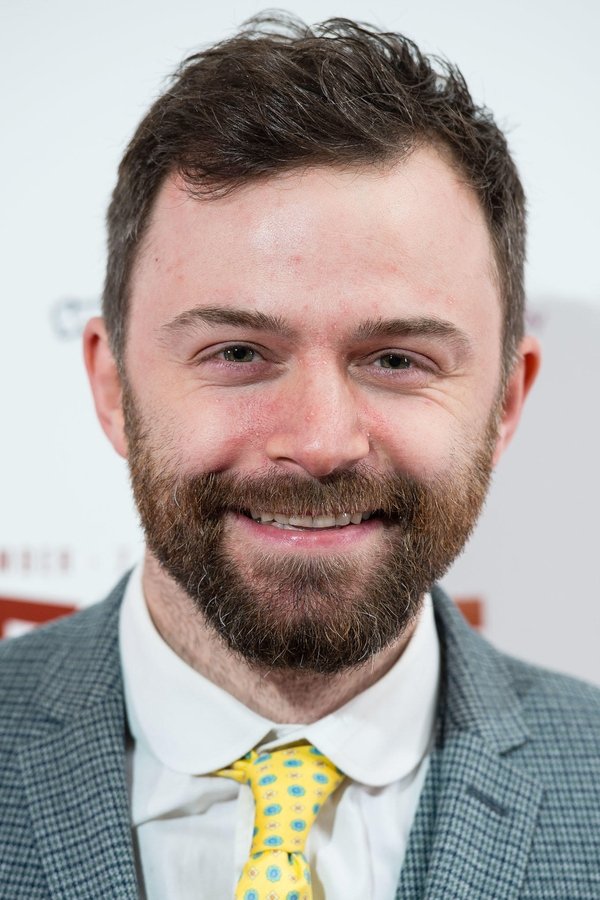
Philip Barantini
Director

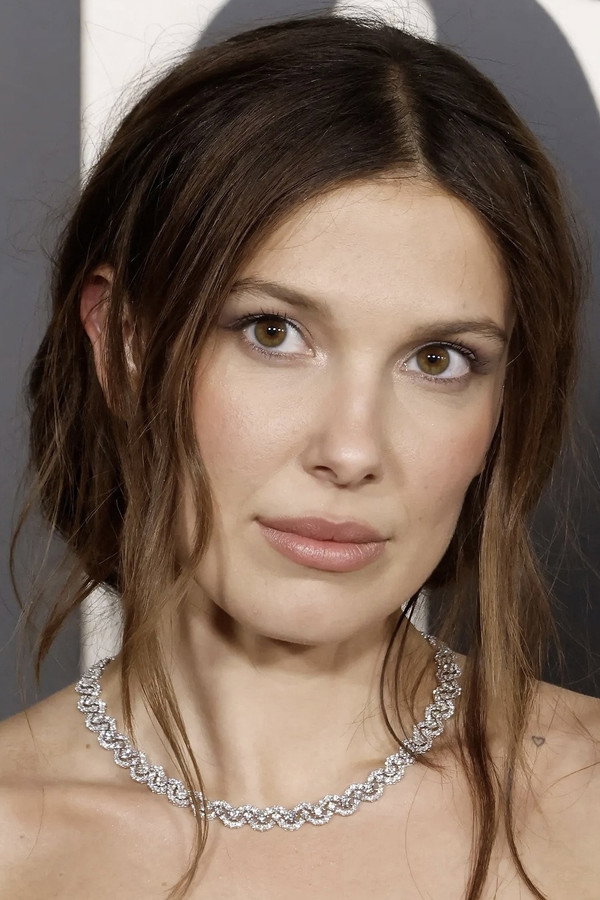
Millie Bobby Brown
Enola Holmes

Henry Cavill
Sherlock Holmes
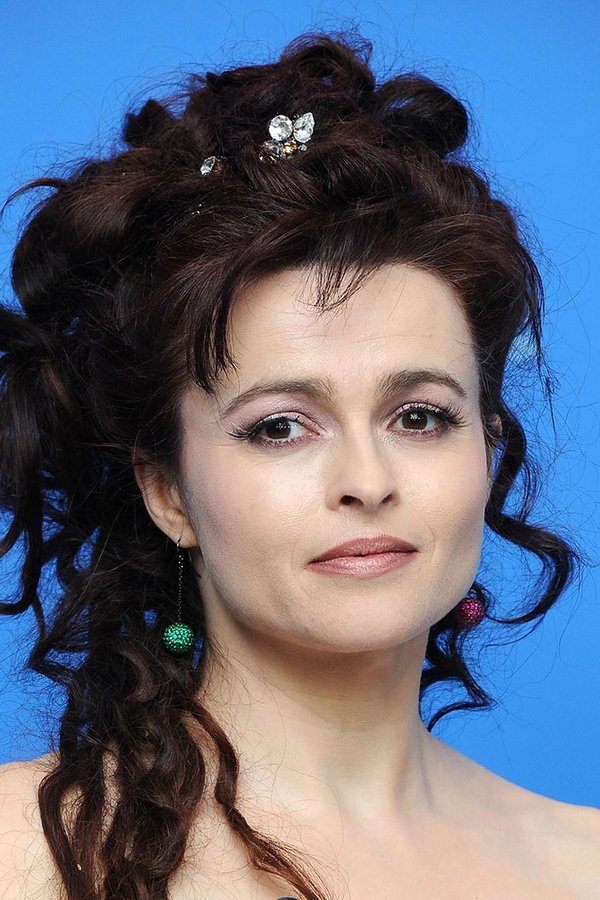
Helena Bonham Carter
Eudoria Holmes

Louis Partridge
Tewkesbury

Himesh Patel
Dr. Watson

Sharon Duncan-Brewster
Moriarty
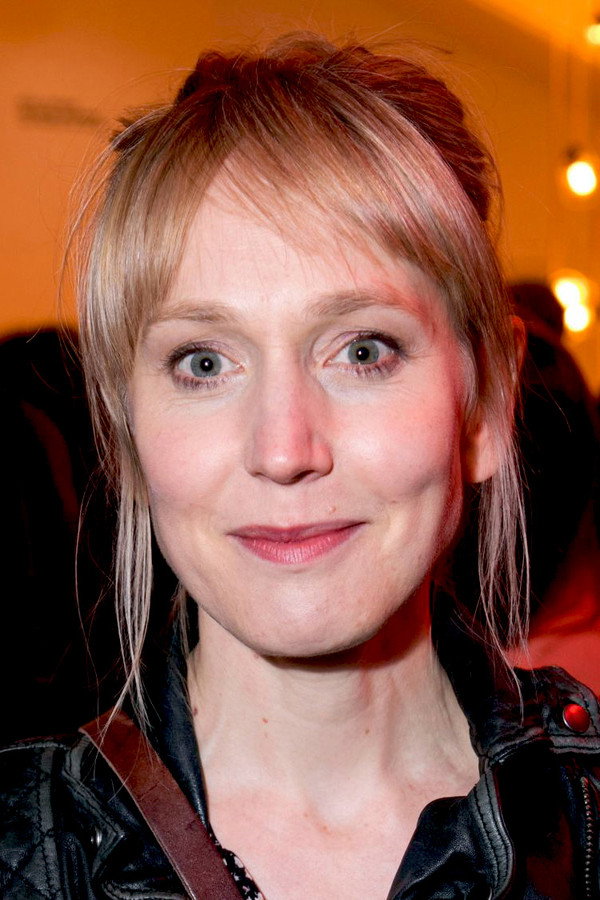
Hattie Morahan
Lady Tewkesbury

Susan Wokoma
Edith

Joe Azzopardi
Mikiel

Nicholas Aaron
Sergeant Nicholas Smith

Michela Farrugia
Crista
As an Indian lesbian living in the United Kingdom, the cards are stacked against Geetika from the start.
Movie explained - Despite the glaring flaws present, Young Adult Matters is held together by the performances from Yoo Mi and Hani, who keep the story afloat. Though an interesting story, Young Adult Matters is worth watching solely for these performances. Among its brilliant performances is a messy, self-indulgent, and at times overwhelmingly brutal story with more potential than follow through.
By undermining the appeal and credibility of black characters, the show compromises the very idea of diversity and representation it sets to promote.
From its visually stunning opening credits, which show women dancing through a forest to musical rhythms that sound almost primal, to its quiet, heartbreaking final frame, Mona Fastvold’s historical rendering of the Shaker religious movement is an experience that will stay with me for a long time.
This fantasy movie released on Disney+ has strong topics and themes related to magic.
Upon first watch, Buddy feels like it should have been aired on Adult Swim at four in the morning.