




'TAYLOR SWIFT: THE ERAS TOUR' (2023)
A concert film with original recording of the most iconic event in pop culture in 2023.
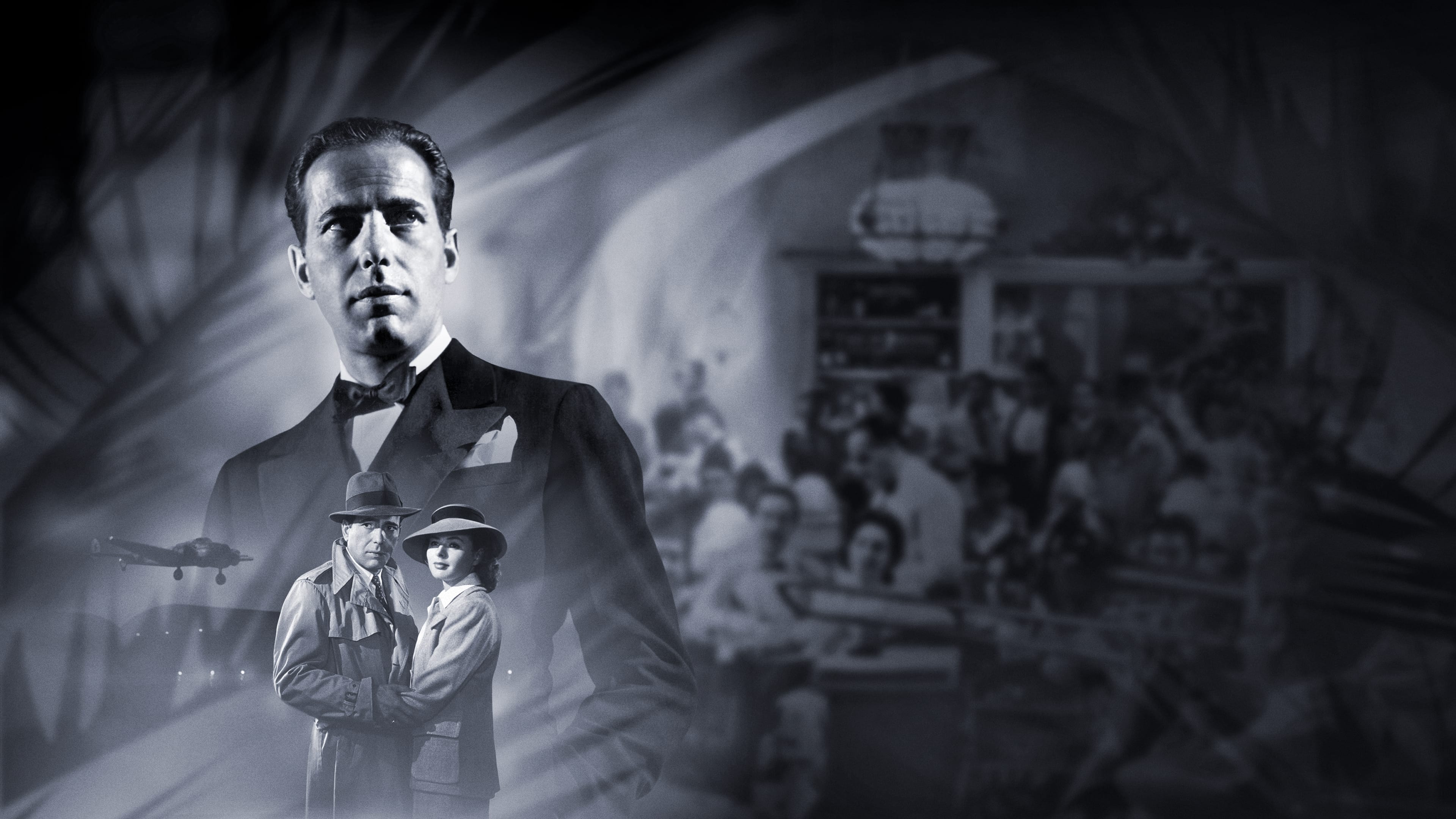
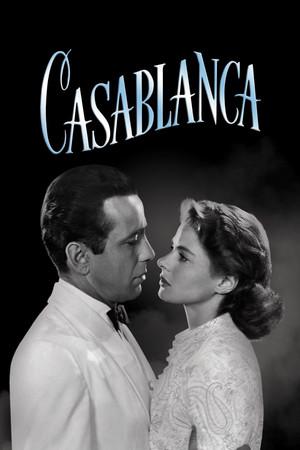


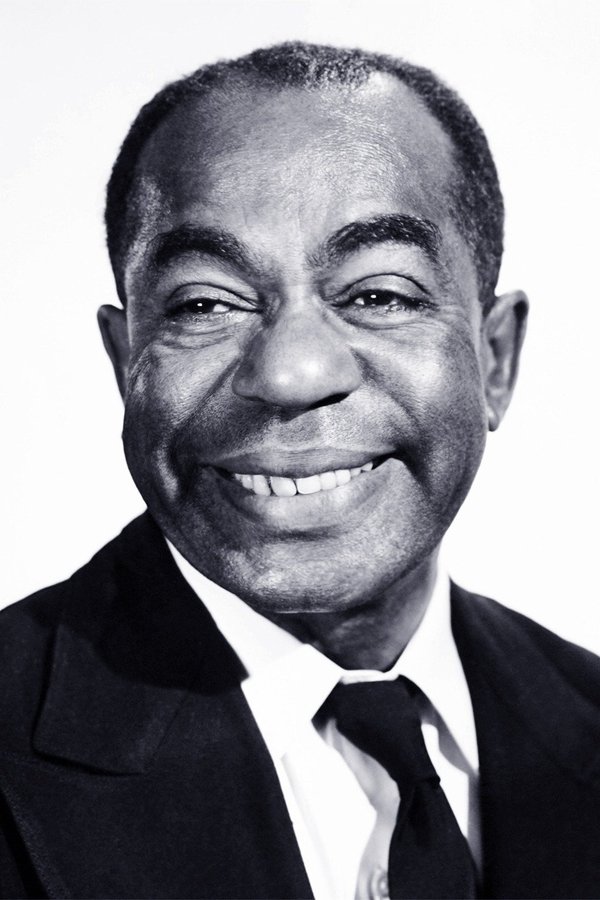
While watching Casablanca, I was totally in awe of how the film uses lighting to shape our understanding of the characters, particularly Sam. For a film made in the 1940s, something I found especially significant was that Sam was not portrayed through the stereotypical roles often given to Black actors during that era. He does not speak with a Jim Crow caricature accent, and none of the other characters treat him differently because of his race. The cinematographer and gaffer reinforce this by making sure he is properly illuminated whenever he appears on screen, whether he is performing or delivering dialogue. I was nervous about how his character would be represented from the moment I first saw him because black and white films that rely heavily on low key lighting are often not favorable toward actors with darker complexions, since their features can blend into the shadows.
I think this also adds to the significance of his character because music in the film is frequently used to express deep emotions, whether sadness, longing, or happiness, and Sam is almost always present at the piano during these moments. Whenever the audience sees Sam, he is lit with a subtle spotlight that keeps him visually central to the scene. Even when we only hear his playing rather than see him on screen, his music still makes him an emotional centerpiece of the story. When the camera returns to him, the lighting ensures that his facial expressions remain visible, allowing the audience to connect more deeply with his character.
Another aspect of the lighting that stood out to me was the contrast between the Paris flashbacks and the scenes set in Casablanca. The Paris sequences are much brighter and more idyllic, with softer shadows that still reflect the overall aesthetic of the film while creating a more romantic atmosphere. In contrast, Casablanca itself feels darker and smoke filled, emphasizing tension and emotional uncertainty. Overall, the film’s use of lighting does a superb job of enhancing the emotional intensity of the story and capturing the mood of each setting.

In Casablanca, Morocco in December 1941, a cynical American expatriate meets a former lover, with unforeseen complications.
A concert film with original recording of the most iconic event in pop culture in 2023.
A family comedy that combines fantasy and normal school life.
Disney has hopefully learned some lessons since 1994. Are those lessons reflected in the 2019 remake of "The Lion King?"
Ready or Not takes a terrifying situation and has a fun time with horror components. The film melds horror and comedy, creating a cinematic hybrid that flows like running water. Instead of being a film that embraces gut-wrenching sensibilities, it perfectly taps into the energetic nature of hide and seek.
All in all, 47 Meters Down: Uncaged is a film I would recommend. It promotes the bond of sisterhood, which in this case is clearly thicker than blood, as well as courage. No one truly knows how strong they are until they go through something unimaginable and come out changed for the better.
I think that the happiness and survival of "Wynonna Earp"’s LGBTQ+ characters is incredibly refreshing in contrast to the prevalence of queer suffering and death in other television.