
"Evolution Of The Black Quarterback"
An in-depth discussion about anti-Black discrimination in college and professional football.

‘Best Of Enemies’ chronicles a little known story of how two intractable community leaders come together to carve out a new future for their city after decades of Confederate traditions.
In 1971, when discussions about how to integrate their school system break down, the community of Durham, North Carolina agrees to bring in Bill Riddick(Babou Ceesay) to conduct a series of summits(charrettes) to help them move forward with desegregation.
Ann Atwater(Taraji P. Henson) is a tenacious activist for equality on issues such as housing and education. It is the latter that grabs her the most as she fights to better the conditions of the local schools. This single, African-American mother uses her influence to rally Durham’s Black populace to affect change and defy the racist municipality. She has no qualms about going toe-to-toe with city officials in advocating for her community.
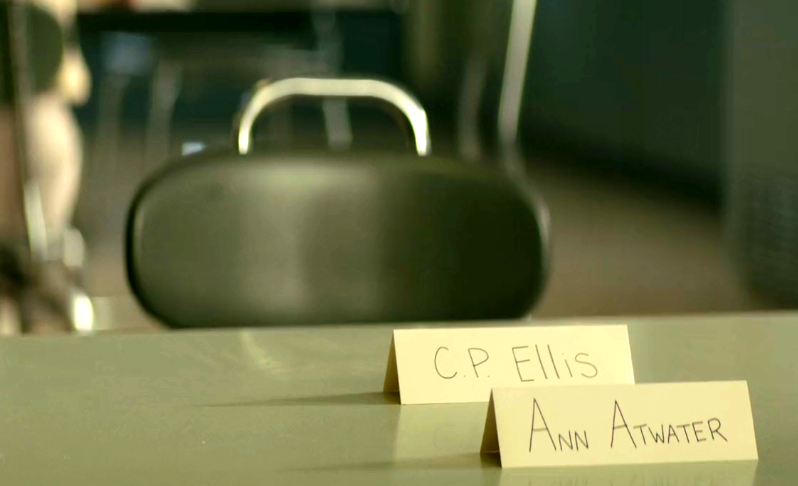
CP Ellis, played by Sam Rockwell, is literally a card-carrying member of the Klan. As a traditional southerner, he leads the resistance to any disassembling of Durham's bigoted roots. He and his fellow Klan members will go to any lengths to ensure the status quo of segregation continues. As his story unfolds, the cracks in his worldview begin to deepen as he wrestles with being in such close proximity to people he has been taught to hate his entire life.
Anne Heche plays Mary Ellis who quietly and consistently takes every opportunity to be a voice of reason in her husband’s ear. She doesn’t completely disagree with his Klan activities but as a mother trying to raise a family, she recognizes the economic and personal futility of holding on to discrimination.
The charrettes are contentious and rarely present are any signs of progress. Those involved continue to engage publicly but behind the scenes, in the lives of the supporting cast, CP Ellis and the Klan conspire to influence their outcome. Through intimidation and harassment of the charette participants, Ellis’ Klan brothers and their affiliates believe they have the upperhand and relish in the notion that Durham will continue to be divided.
As they move forward, the non-Black residents are overwhelmed by their neighbors’ singing gospel music during one of their main sessions. For most, witnessing this cultural distinctiveness is intolerable, deepening the divide that already exists in the cherettes. Undeterred, Black Durhamites, strengthened by their faith, forge ahead in their commitment to equality.
The turning point of the movie happens when Ann Atwater learns of the less than desirable living conditions of Ellis’ institutionalized son. She sees to it that he is made more comfortable, much to the relief of Mary Ellis. This act of kindness, with no expectation of reward, disarms Ellis and his journey to becoming an ally begins.
By the end of the film all is revealed. Those who were allies become enemies and those who were enemies become allies. Durham begins to heal from its racist past and embraces a newfound sense of community. They arrive at the conclusion that coming together in unity is more beneficial to everyone than fanning the embers of a 400 year old uncivil war.
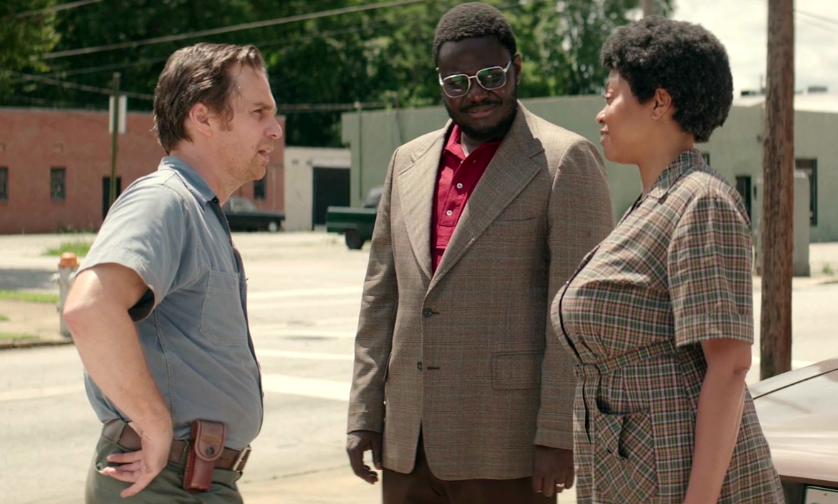
‘Best Of Enemies’ is as revelatory as it is entertaining. Oscar-worthy performances all-around make it a must-see and should top any list of ‘Best Historical Dramas’. The production is authentic, allowing us to forget it’s not stock footage but a dramatized version of historical events.
In the 21st century we often talk about the Civil Rights Movement in the abstract but this movie personalizes the harsh realities of fighting for justice and the repercussions that often accompany that fight.