Black Swan and its dark feminine energy
Every movement becomes a question of identity. To become who we are meant to be. In order to reach that we often have to shed who we once were, and that shedding can sometimes be so brutal it’s ungraceful.



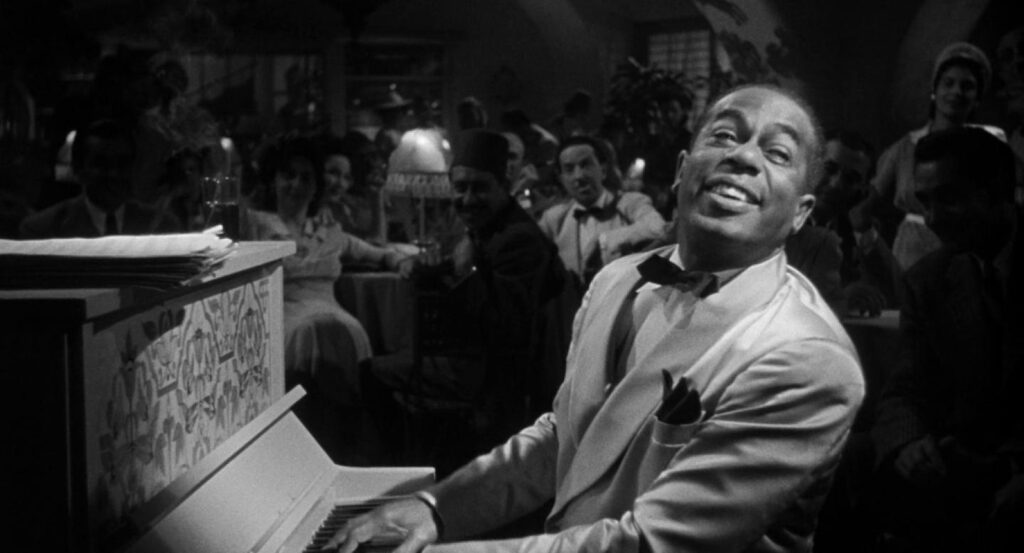
While watching Casablanca, I was totally in awe of how the film uses lighting to shape our understanding of the characters, particularly Sam. For a film made in the 1940s, something I found especially significant was that Sam was not portrayed through the stereotypical roles often given to Black actors during that era. He does not speak with a Jim Crow caricature accent, and none of the other characters treat him differently because of his race. The cinematographer and gaffer reinforce this by making sure he is properly illuminated whenever he appears on screen, whether he is performing or delivering dialogue. I was nervous about how his character would be represented from the moment I first saw him because black and white films that rely heavily on low key lighting are often not favorable toward actors with darker complexions, since their features can blend into the shadows.
I think this also adds to the significance of his character because music in the film is frequently used to express deep emotions, whether sadness, longing, or happiness, and Sam is almost always present at the piano during these moments. Whenever the audience sees Sam, he is lit with a subtle spotlight that keeps him visually central to the scene. Even when we only hear his playing rather than see him on screen, his music still makes him an emotional centerpiece of the story. When the camera returns to him, the lighting ensures that his facial expressions remain visible, allowing the audience to connect more deeply with his character.
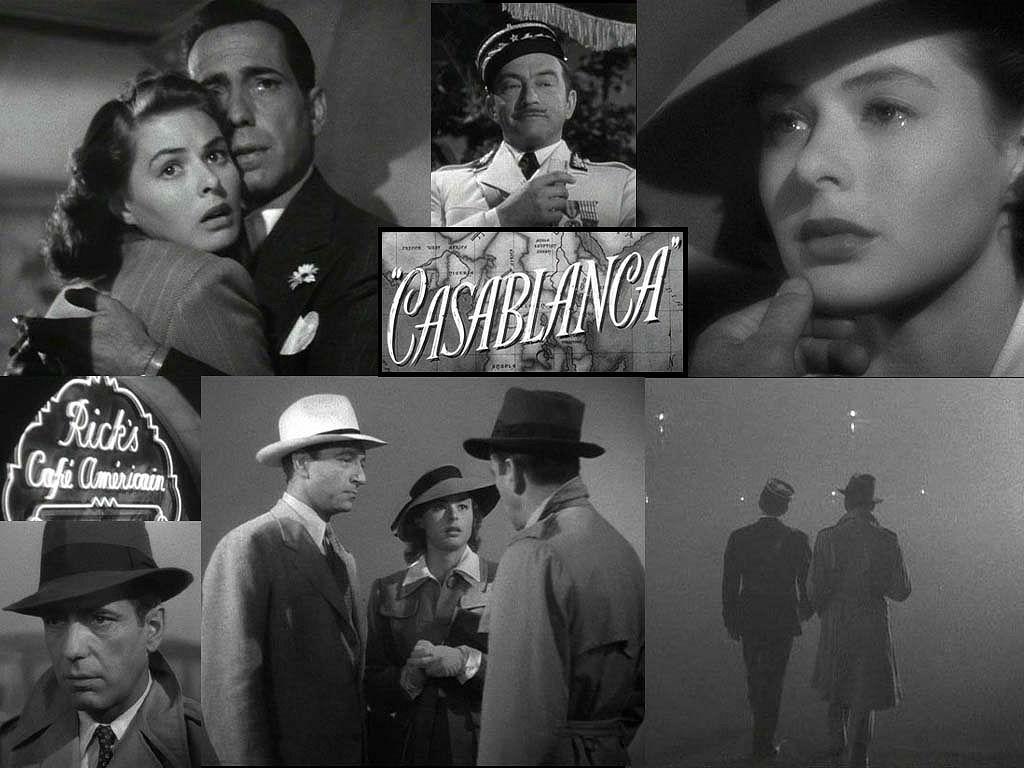
Another aspect of the lighting that stood out to me was the contrast between the Paris flashbacks and the scenes set in Casablanca. The Paris sequences are much brighter and more idyllic, with softer shadows that still reflect the overall aesthetic of the film while creating a more romantic atmosphere. In contrast, Casablanca itself feels darker and smoke filled, emphasizing tension and emotional uncertainty. Overall, the film’s use of lighting does a superb job of enhancing the emotional intensity of the story and capturing the mood of each setting.
What makes the lighting in Casablanca even more impressive is how it reflects the emotional states of the characters without needing explicit dialogue. Rick is often framed in shadows or partially obscured light, which mirrors his emotional guardedness and cynicism throughout much of the film. As his walls begin to come down, the lighting around him softens, especially during scenes with Ilsa. This visual storytelling makes the audience feel the emotional shifts before the characters even fully express them aloud. The film proves that lighting is not just a technical element of cinema but a narrative device capable of revealing vulnerability, nostalgia, and inner conflict in ways words alone cannot.