The Best for Last: Newman, Woodward, and 'The Last Movie Stars'
With 'The Last Movie Stars,' filmmaker and fanboy Ethan Hawke cracks the facade of Hollywood's last golden couple, but reveals a couple who were committed to each other before all else.
Incluvie – Better diversity in movies.
Identity in film with Incluvie stamps, scores, reviews.
Incluvie – Better diversity in movies.
Explore identity in film with Incluvie stamps, scores, reviews, and insights.


"WHAT ARE YOU WILLING TO SACRIFICE?!!!!" "EVERYTHING!!!!!" This is but one of a multitude of highly emphatic questions, and subsequent answers, being asked in the newest feature film from one of the current masters of horror, Jordan Peele ("Get Out", "Us" and "Nope"). I must give Peele credit in that he continues to push the boundaries of specific genres and their associated tropes in order to provide what ends up amounting to subtly then jarringly intense, yet still character and story-driven, cinema that speaks more to indie stylings than mainstream.
When it comes to cult classics, the horror genre has always had an overwhelming number of B-movies. Horror B-movies refer to the low-budget feature films as compared to major feature films. One might call them “low-grade” cinema as opposed to the more artistic endeavours, but I’d refrain from saying that. The horror B-movie is a source of unbridled entertainment and for the fans of spooky business, it’s the perfect way to round out Halloween night or any night in which they’re in the mood for horror. Usually characterized by a somewhat loose storyline, sometimes some quite silly characters, a little over-the-top acting and a bunch of practical effects, horror B-movies used to rule the world of horror during the ’70s and ’80s with franchises like Friday the 13, Slumber Party Massacre and Halloween.
But since the late '90s, with big-budget horror films like End of Days and Hollow Man, the focus has shifted from the horror B-movie. We now have major horror features like It and Midsommar and every year, there are almost ceremonial releases from the studio A24 which gave us The Witch and Hereditary. This year itself, Ti West's X and Jordan Peele’s Nope came out, which are far from being horror B-movies. But that being said, it’s only the focus that has shifted because we still have horror B-movies being made. If you enjoy the bizarre, less refined and entertaining world of the horror B-movies and want a break from the nuanced and poignant big-budget horror releases, I have a list of gore-fests from the last ten years to enjoy this October. Here are fifteen films for the fifteen days that remain till the auspicious date of Halloween!
The biggest subcategory of horror B-movies by percentage is the slasher film. Almost overdone violence and heavy reliance on practical effects as opposed to CGI characterize the slasher. And of course, the heavily criticized but also equally loved trope of the final girl is a slasher staple. Some of the most gruesome on-screen deaths have been courtesy of the slasher horror B-movie and I’m here to offer you some more horrible killings. If gore makes you queasy, you may consider skipping this segment.
The highly anticipated next film by Jordan Peele, Nope, starring Keke Palmer, Daniel Kaluuya, Brandon Perea, and Steven Yuen, is finally here and is simultaneously precisely what you might expect from his films and a new, fresh take on the first contact narrative while possessing an identity of its own. The horror elements of Peele's previous films are still present but are significantly toned down and instead focus on spectacle and visuals. While this isn't to say that Nope is devoid of substance, of which there is plenty, it is his most straightforward work to date narratively speaking. Peele takes us on a journey through the exploration of human instinct and the consequences that can arise from taking advantage of said instinct - morbid curiosity. More specifically, profiteering off the trauma of others or yourself and capitalizing on people's natural curiosity and gravitation toward tragedy.
There is an incredibly traumatic moment in Ricky's (Steven Yuen) life when on the set of a '90s sitcom he was starring in as a child, Gordy's Home, centering around a chimpanzee named Gordy, he witnessed the chimpanzee become crazed, brutally killing nearly the entire cast of the show apart from Ricky. Ricky and Gordy would eventually begin to share a tender moment only to be interrupted by Gordy getting gunned down just before they embrace. But we don't get this entire story right away. The film revisits this day a multitude of times throughout, uncovering more information each time and it can be quite jarring the first couple of times we're shown this incident. But as the film goes on, it's shown that Ricky has been actually charging people to visit a museum he created featuring memorabilia from the show as it has become incredibly popular due to this tragedy.
But this museum of his own experience isn't the only traumatic opportunism Ricky seeks to exploit. He has since created a theme park based on a UFO that has also recently been discovered by Oj (Daniel Kaluuya) and Emerald (Keke Palmer) Haywood after a series of inexplicable events take place at their horse ranch, even killing their father in an attack months prior. Ricky has seemingly been aware of this mysterious object for some time and had been purchasing horses from the Haywoods to offer it as a sacrifice for the main spectacle at the park, only to finally agitate the object and cause not only himself but the entirety of the audience to be abducted and ultimately killed, bringing Ricky full circle and receiving a self-fulfilling fate that he just narrowly escaped as a child. But Ricky's insistence on combining spectacle and trauma isn't exclusive to him, the sentiment is even shared to a degree with Oj and Emerald. Their main goal throughout the film is to capture indisputable evidence of the UFO to sell for an enormous sum of money, while less shady, they are not innocent of this impulse. Having all three of these characters related to the media industry is no coincidence. It's to personify our trauma-profiteering obsessed culture and the media that perpetuates it. Peele taps into and explores our twisted sense of curiosity and offers a critique of human behavior.
(Note: This article was originally publiched by Mick Cohen-Carroll on Medium in June 2020. For current information about the state of the racial justice movement in America, I recommend reading updates about Derek Chauvin's trial, this interview with Kentucky's Rep. Attica Scott about the ongoing imapct of Breonna Taylor's murder, this update about the shooting of Jacob Blake, and this analysis of the scope of Black Lives Matter protests.)
Hollywood loves to jump on current events, especially those with big socio-political ramifications. There have been timely movies about pretty much every news-worthy incident since WWI. However, stories about race or racial injustice are often eclipsed or buried under other tragic events. So, through the films they produce and finance, how will Hollywood react to the current status quo? It’d be interesting to discover their approach in the wake of the George Floyd protests (which are largely peaceful) and the call to action for anti-racism. There are two things to consider. The first is that Hollywood, after all, is a business and the second is that Hollywood might not be as socially liberal as the right-wing claims.
Though there is room for art, and you must be creative to make a film, the movie industry is, after all, just that: an industry. And in an industry, the primary goal is to make money. If it’s art, great, but that is not the end goal. Artistry is the byproduct. That is why people like Martin Scorsese call the Marvel movies “theme parks” and not cinema. He makes the distinction that cinema is (by his definition) more daring, unexpected, honest and artistic.
So while “cinema” (used in the Scorsesian sense) does exist, the rise in blockbuster movies with high budgets and explosively high box office returns shows that Hollywood is primarily interested in making money. That is why it attracts people to become top execs and producers, like Steve Mnuchin, the current Secretary of the Treasury. Hard to believe that the ex-Goldman Sachs investment banker was in it for the art or the love of cinema.
After years of being ignored, shut down, or shifted around, I think we’re finally getting somewhere with Black cinema getting its due. I think it is finally at the point where mainstream audiences will just watch a movie for black audiences and not have it feel forced or empty. It’s not at the level it needs to be at just yet, but I do think it is getting traction. Not counting the Oscars (especially after seeing Green Book win last year), I think that black cinema is making waves with the general population, and that excites me, because that can break up the formulaic and problematic amount of films that reach audiences and can open up the door for other minorities to start appearing in film more now that it’s proving that movies with diversity CAN reach people of all backgrounds despite their intended audience.
I think since 2016, there has been a stream of successful (and now iconic) movies by black artists, for black audiences, with general appeal.Moonlight,Fences,Get Out,Us,Blackkklansman,Blindspotting,If Beale Street Could Talk, Sorry to Bother You,The Hate U Give, andBlack Pantherare just afewof the plethora that come to mind, and all are great or excellent movies. It’s a far cry from times like 2004 where the most notable black led movies wereHotel Rwanda(white director) andWhite Chicks(infamously bad).
So, how doesQueen & Slim hold up in this black film-making start of a renaissance? It’s…OK. And I’m not gonna lie. I am highly disappointed that it’s just OK, because this was one of the most anticipated films of the year for me, and for good reason. For starters, the premise is the best kind of hook you could ask for. A Black man shoots a white police officer in self defense while on a Tinder date. He and the date go on the run. That’s an amazing idea for a film.
Likewise, it is the directorial debut of double Grammy winner Melina Matsoukas, who is best known for her fantastic music videos. And on top of that, Daniel Kaluuya, one of my up and coming favorite new actors, was one of the stars. And yes, I was somewhat right. The premise was intriguing. The direction was nice. The acting was great. But I forgot the cardinal virtue of good cinema - a solid script.

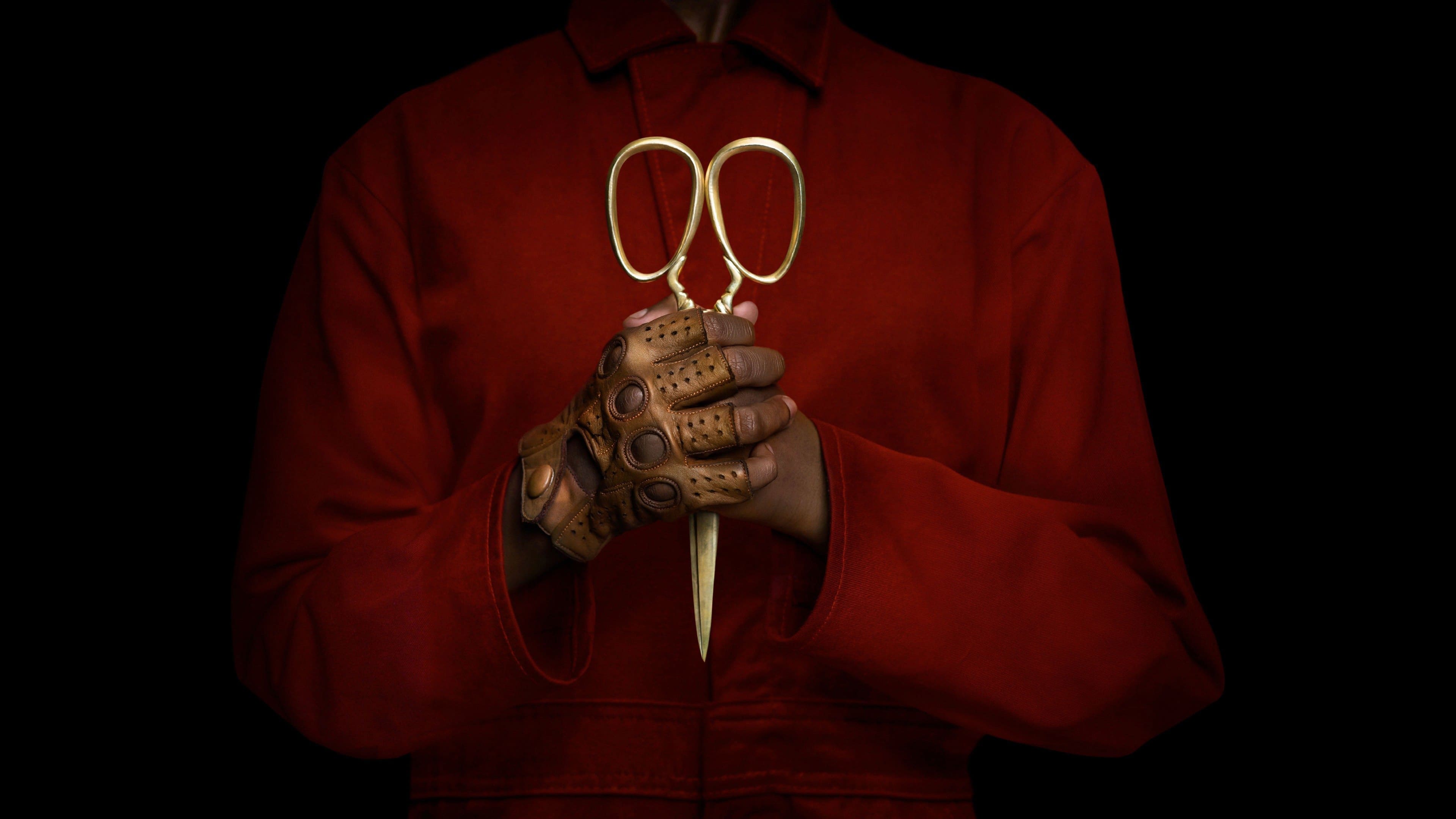
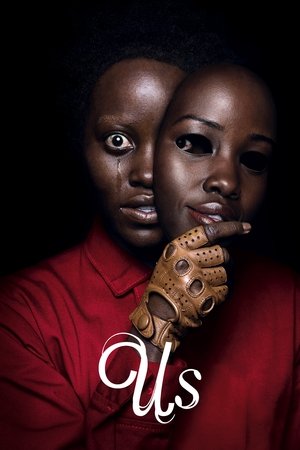
Husband and wife Gabe and Adelaide Wilson take their kids to their beach house expecting to unplug and unwind with friends. But as night descends, their serenity turns to tension and chaos when some shocking visitors arrive uninvited.

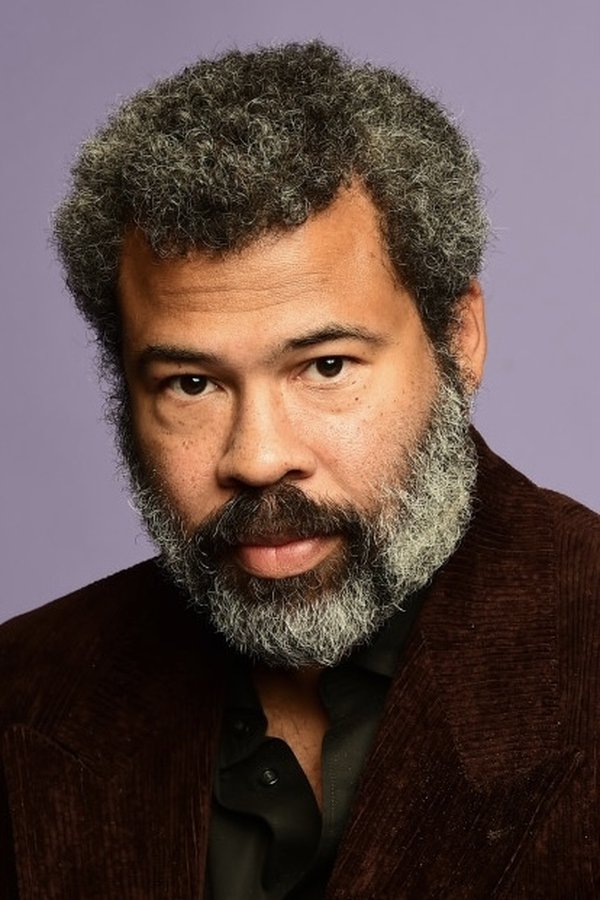
Jordan Peele
Director


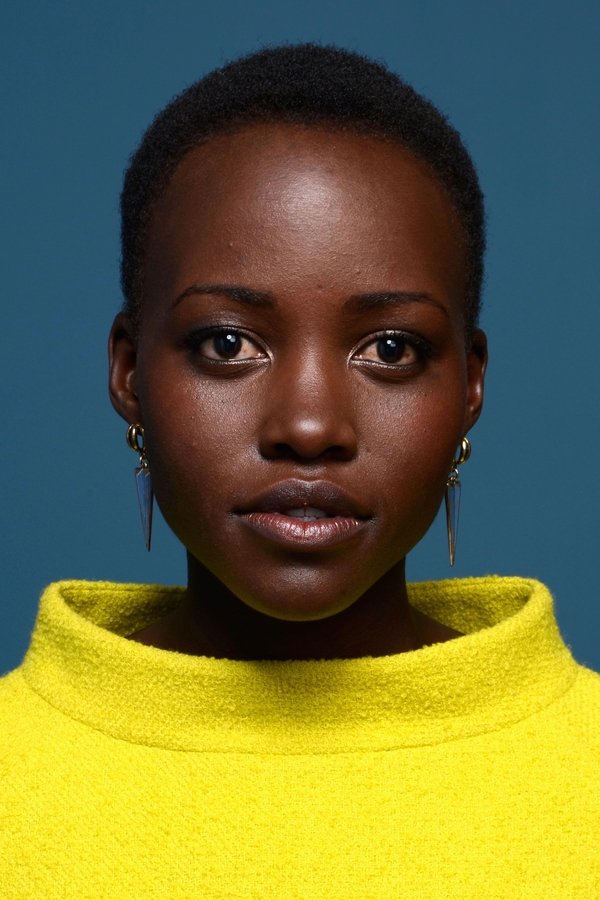
Lupita Nyong'o
Adelaide Wilson / Red

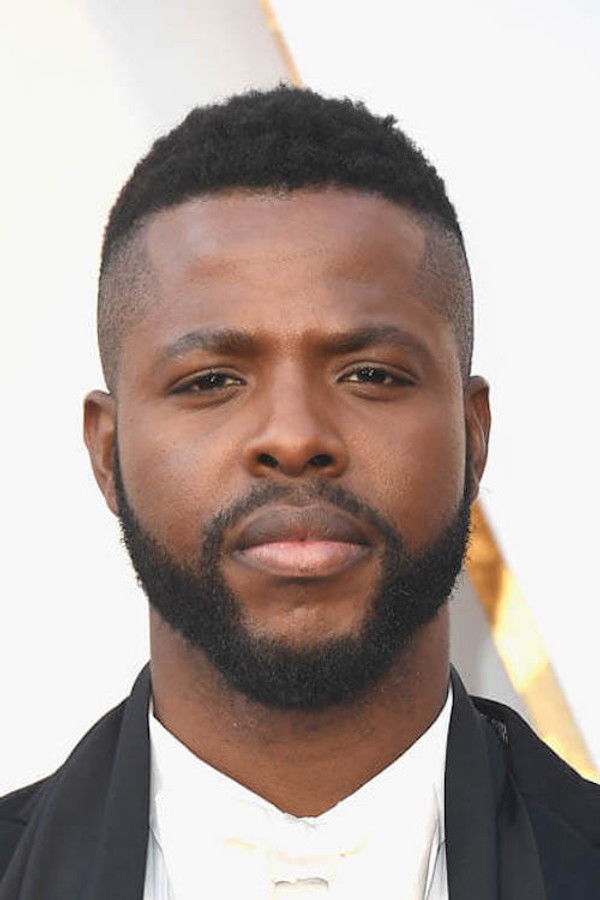
Winston Duke
Gabe Wilson / Abraham

Elisabeth Moss
Kitty Tyler / Dahlia

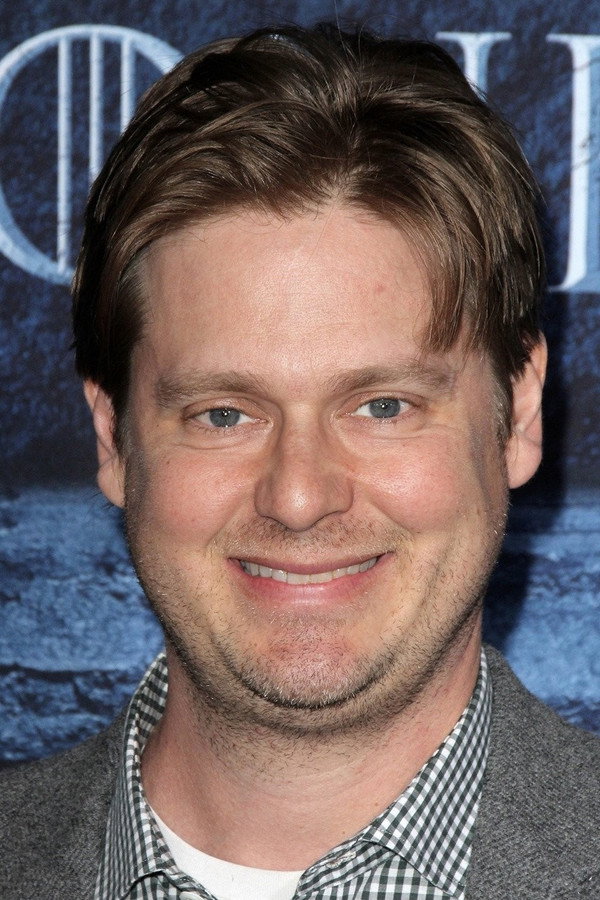
Tim Heidecker
Josh Tyler / Tex

Shahadi Wright Joseph
Zora Wilson / Umbrae

Evan Alex
Jason Wilson / Pluto

Yahya Abdul-Mateen II
Russell Thomas / Weyland

Anna Diop
Rayne Thomas / Eartha

Cali Sheldon
Becca Tyler / Io

Noelle Sheldon
Lindsey Tyler / Nix

Madison Curry
Young Adelaide Wilson / Young Red
With 'The Last Movie Stars,' filmmaker and fanboy Ethan Hawke cracks the facade of Hollywood's last golden couple, but reveals a couple who were committed to each other before all else.
You can have the best filmmaker and cast in the world, but if the script is lacking, you’re in a troublesome state. Such is the case with Gemini Man, a film full of tremendous artists.
Not every film can make a shopping mall feel both magical and menacing, but Forbidden Fruits challenges that.
Canvas illustrates the story of a grandfather who, after suffering the loss of his beloved, struggles to reclaim his love for painting.
I hadn’t heard of it either until recently—and yet, it’s one of the highest grossing movies of all time.
We are incredibly blessed that this movie is available for us to see, and we should take advantage of the opportunity we’ve been given.