






Underwhelming Presence
The movie opens with an empty house, cameras pan around from the perspective of what viewers are confused about at first, but turns out to be a spirit living in the home.
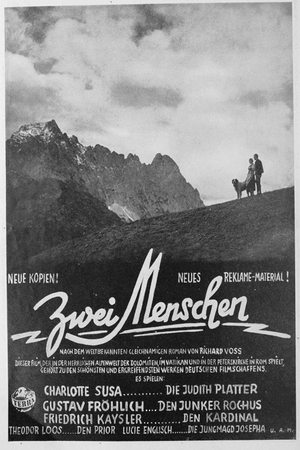


Gustav Froehlich and Charlotte Susa play Rochus and Judith, the zwei menschen (two humans) of the title. Rochus' domineering mother insists that he enter the priesthood, but he is reluctant to break up his blissful romance with the fair Judith. A religious fanatic of the first order, the mother swears before God and her Church that Rochus will indeed take his vows. When this does not come about, she dies of grief, whereupon the guilt-stricken Rochus abandons Judith to become a priest. The girl subsequently commits suicide -- and it is Rochus who must officiate over her body during the funeral. This final scene was excised from the print of Zwei Menschen released in New York, leaving audiences hanging in regard to Judith's ultimate fate.
The movie opens with an empty house, cameras pan around from the perspective of what viewers are confused about at first, but turns out to be a spirit living in the home.
Although Fargo is not actually based on a true story, I do believe it is worth the watch. It has drama, suspense, and a mysterious figure to keep you engaged.
Hiring bias is something that's rampant in all industries (even unconscious bias). But writing a script totally neutral not only opens the door for more diverse actors, but also for characters that are people first.
The newest Pedro Almodóvar movie, Pain and Glory, focuses on an aging and debilitated filmmaker, Salvador Mallo (played by Antonio Banderas) reflecting on his life in his old age.
“To be universal, you have to get specific”: while the film does not attempt to provoke discussions about queerness or race, those watching closely may find something resonant in Sorrentino’s love letter to the Naples of his youth.
We're making today a perfect day for you, and for everyone.