

'Honor Roll Boys' (MiamisFF Review): A Bit of Harmless Fun
Initially feeling like a passionate group having a bit of harmless fun with filmmaking, it leads to something sinister enough to leave a mark.
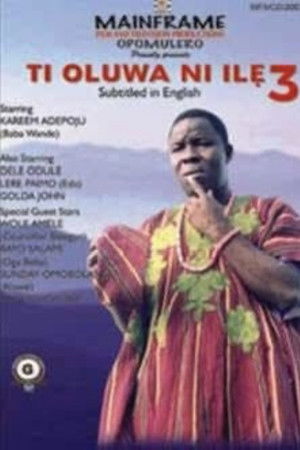


The final part of the trilogy, Asiyanbi (Kareem Adepoju) having been presumed dead after going into exile suddenly returns. He launches a desperate bid to regain his position in the community throwing an otherwise peaceful town into chaos. However and inevitably, he is confronted with his suspended guilt. He meets his nemesis and pays the price for greed and avarice. He has to complete the circle of chain of death which has already claimed JP and Sanya in the triangular bond of fraudulently selling ancestral land, the penalty of which is death.
Initially feeling like a passionate group having a bit of harmless fun with filmmaking, it leads to something sinister enough to leave a mark.
KIMI is the main character of this film and as much as I wish it was Angela Childs played by Zoe Kravitz, it isn't. KIMI is a smart device that works not unlike Amazon's Alexa and Google's Nest assisting in anything from home purchases to music playing all under the guise of only activating when in use.
“Nobody 2” is the kind of sequel you expect to roll your eyes at—and then end up grinning through the whole thing. Bob Odenkirk proves once again that an ordinary-looking guy can be the most entertaining action hero alive, battling cartels with harpoons, deep fryers, and pure chaos. Toss in Sharon Stone as a delightfully over-the-top villain, and you’ve got 89 minutes of wild, joyful mayhem that reminds you why going to the movies is just plain fun.
The film is a documentary focusing on heavy metal in the late 80s and tackles topics like drug addiction, alcoholism, sex, masculinity, and of course, rock and roll. However, this didn’t feel like any documentary I’ve ever seen before.
'Tuca and Bertie' (2019) is an animated series centering around best friends of the same name as they traverse the challenges of their thirties.
“Unsung” does not begin to describe the obscurity Bayard Rustin endured in the shadows of the Civil Rights Movement