People as Human Resources in Human Resource (2026)
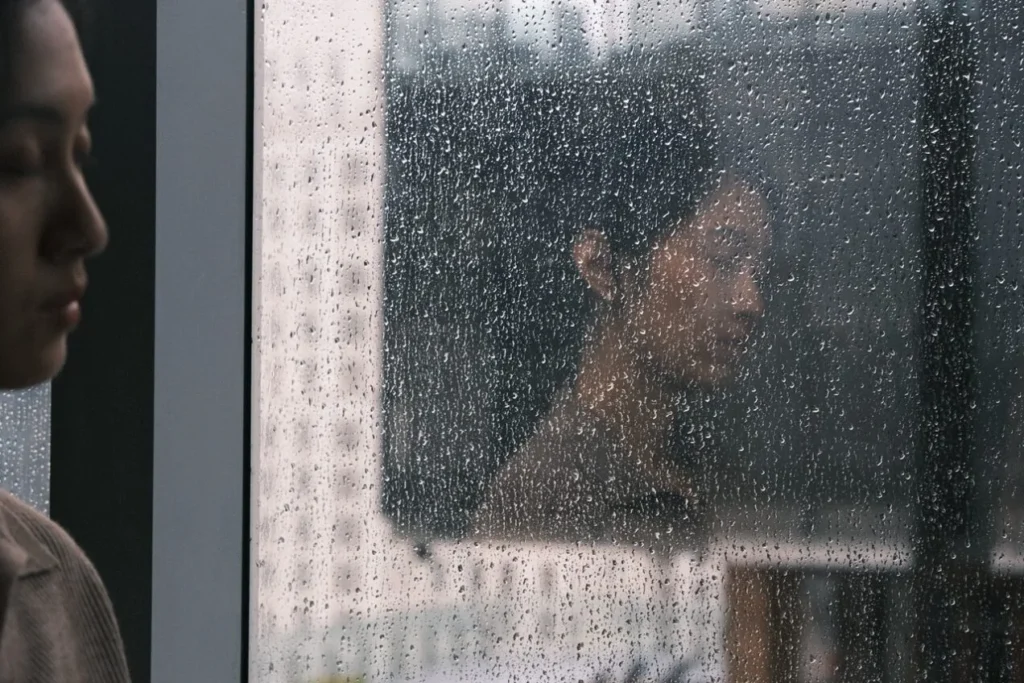
Stylish, slow, and somewhat standoffish, Human Resource examines corporate life from the perspective of a female HR employee as she interviews job candidates while also deciding whether to keep her newly discovered pregnancy.
The Thai movie Human Resource, directed by Nawapol Thamrongrattanarit, premiered at 82nd Venice International Film Festival and won Fondazione Fai Prize, an award that honors films that best explore and treat themes related to work conditions, human dignity, and the environment. And, in my opinion, it has won it fair and square.
Stylish, slow, and somewhat standoffish, Human Resource examines corporate life from the perspective of a female HR employee as she interviews job candidates while also deciding whether to keep her newly discovered pregnancy.
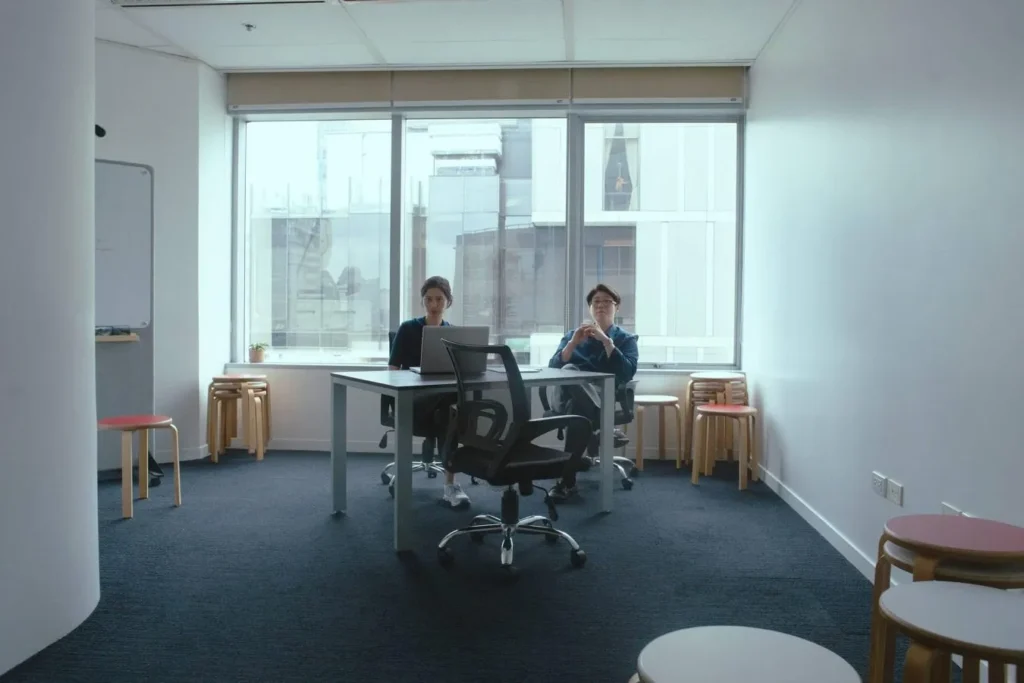
Fren, played wonderfully by Prapamonton Eiamchan, must find a new hire to replace an employee who left and refuses to answer any calls from the company. As the movie progresses, the audience learns that the company requires staff to work six days a week under an abusive and demanding boss, facts that Fren openly discloses during interviews. Her transparency only prolongs the hiring process, as canditate after candidate reject the job offer due to the overtime and low pay.
At the same time, she discovers she’s pregnant and keeps it a secret from everyone, including her partner, because she doesn’t know if she wants to keep the baby. When her partner crashes the car while she is in the passenger seat, the pregnancy comes to light at the hospital. Her partner is delighted by the news and even starts looking for schools before Fren even begins to show. He pressures her into telling her mother, and soon everyone finds out, effectively trapping her in the pregnancy and stripping away her choice.
While this happens, she attends mandatory corporate classes where she listens to instructors discuss employees as if they are disposable objects, completely replaceable at a moment’s notice. It is during this time that she discovers the employee who walked out without notice has committed suicide, a revelation that sheds a grim new light on her life at the company.
I found it both interesting and gut-wrenching how the film places Fren’s personal life in disturbing contrast with her professional one. It demonstrates that having a baby with a partner who earns a living on commission tethers her even tighter to her corporate job, a workplace environment so demanding and stressful that it literally kills people. Furthermore, the film subtly indicates that once her pregnancy is revealed to those close to her, traditional and religious values strip away her bodily autonomy. From this perspective, bringing a new life into the world, an event that should be full of happiness and celebration, becomes a prison for Fren.
Human Resource paints a portrait of modern Thailand, but its bleak perspective on pregnancy, abortion, capitalism, and corporate life echoes universal anxieties felt all over the world. Despite the emotional distance the director maintains between the viewer and the story, I, having never been to Thailand and having very little knowledge of Thai culture, could empathize and relate to Fren as if she were one of my closest friends.