“East of Eden”: Women Can Be Monsters Too, and It’s Time We Acknowledge It
Amid the ongoing debate surrounding Christa Pike’s death sentence, watching East of Eden, which shows that women can be monstrous too, is definitely refreshing.



Because it was directed by Na Hong-jin, the mastermind behind The Wailing, one of the best movies of 2016, and marketed as the most expensive movie in South Korean history, I was excited to see Hope. However, despite it being one of the most visually impressive action movies I’ve ever seen, everything else fell short of my expectations.
The movie follows a group of hunters led by Sung-ki (Zo In-sung), and the police chief Bum-seok (Hwang Jung-min) from a small harbor village near the Korean Demilitarized Zone (DMZ) as they investigate a mysterious creature wreaking havoc in their community. Believing the threat is a tiger, the chief investigates the village, while the hunters search the forest. I watched the film believing it was a standalone story, and I ended up disappointed by everything except the exquisite camerawork and high-speed, adrenaline-fueled action. Afterward, I discovered that Na Hong-jin plans a trilogy, with Hope as the first installment, and my disappointment only deepened.
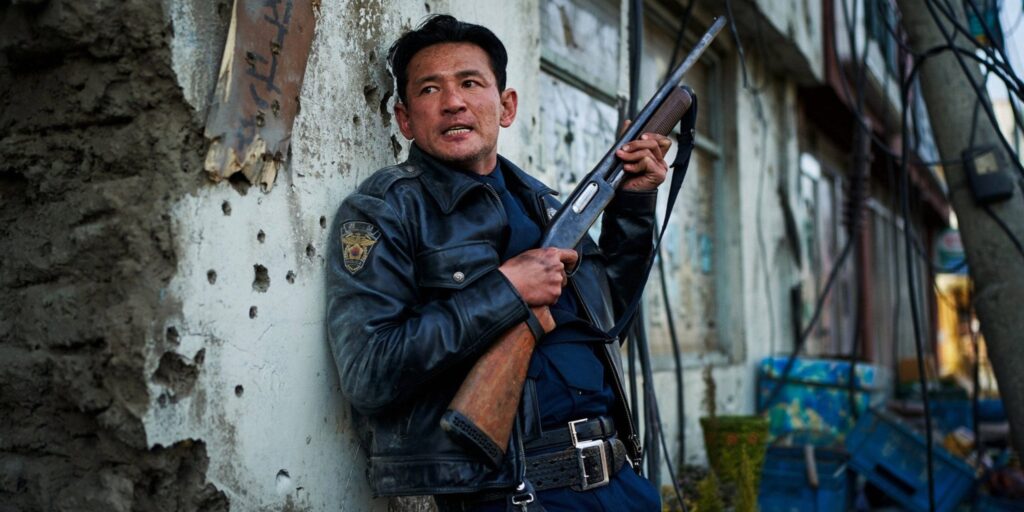
The pacing is the first noticeable major issue, especially in the first half of the movie. Before the audience even discovers that the creature is a humanoid alien rather than a tiger, we are subjected to a good half hour of people frantically chasing and shooting at nothing across the screen. The characters see the monster, but it remains completely hidden from the viewer, a directorial choice that quickly becomes tiresome and frustrating. And while this choice works very well in a slow-burn, atmospheric folk-horror such as The Wailing, it feels ill-suited for a high-speed science fiction epic.
Meanwhile, the hunters discover that there are multiple aliens in the forest, all of which look entirely different from the one in the village and from each other. This is another puzzling scriptwriting choice; the audience is excluded from learning why these creatures vary so drastically. Furthermore, the movie leaves us in the dark about why they are even on Earth to begin with. What could’ve been a fascinating sci-fi mystery turns out to be just a frustratingly hollow monster hunt.
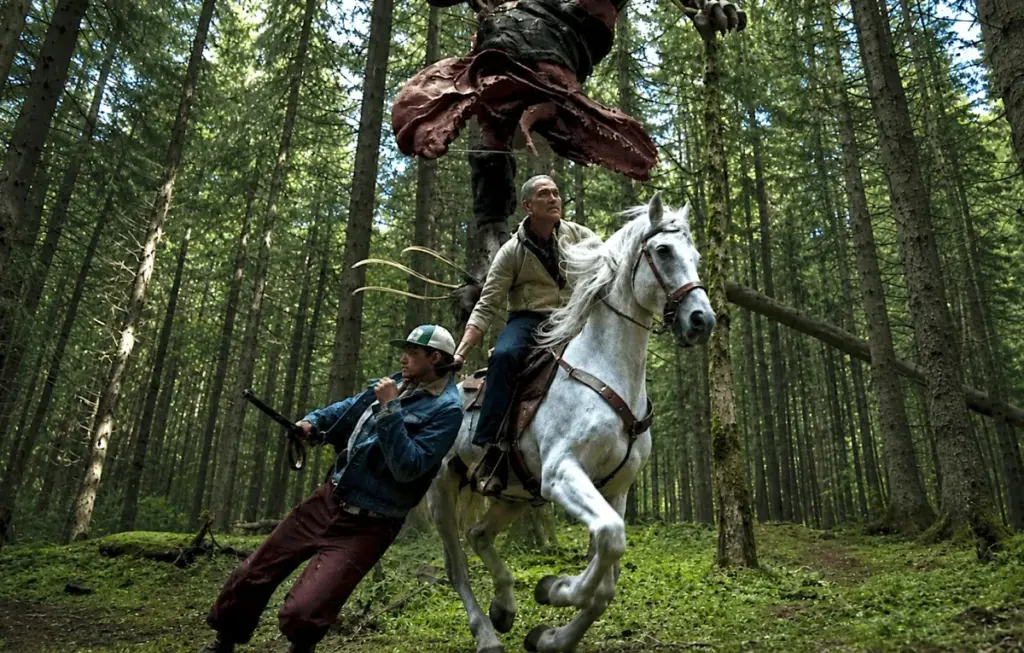
For a project with such a historic budget, the CGI used for the aliens looks amateurish at best. Their overall appearance belongs in a virtual environment rather than a live-action film. To make matters worse, their movements are jittery and unnatural, much like video game characters when the connection is lagging. This creates an uneven, “Uncanny Valley” viewing experience. While the exquisite camerawork during the relentless chase and combat scenes makes the humans look seasoned and natural, it only heightens the visual disconnect of the aliens, who look as though they belong in an entirely different medium.
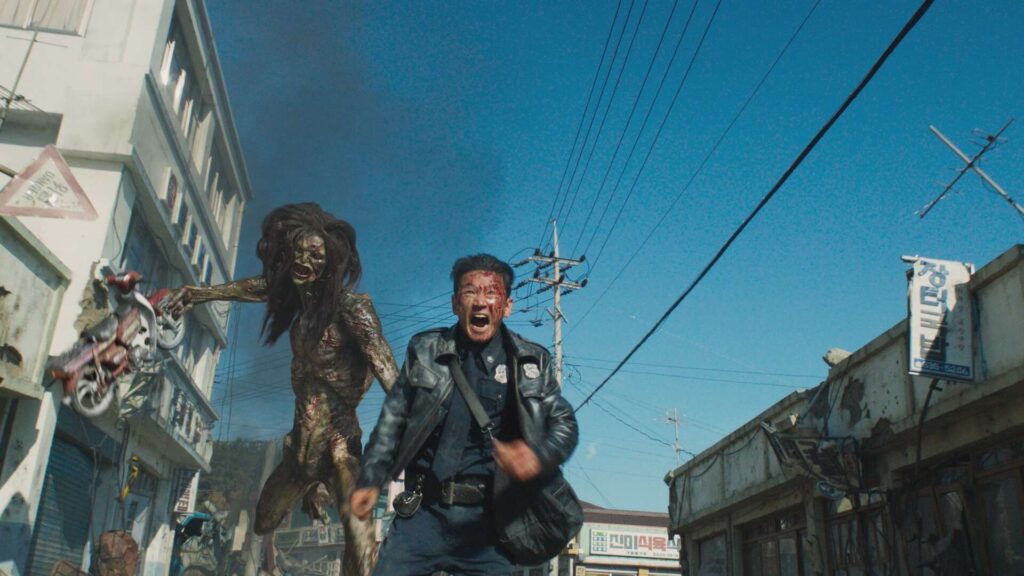
Beyond the plotting and the questionable CGI, the dialogue and character development were my biggest disappointment and the most obvious weakness of the movie. The way the humans handle themselves against aliens, relying on childish humor and a plethora of brave one-liners, makes them feel like action-movie caricatures rather than real human beings. The great acting coming from the main cast can’t overcome the sense that these characters have been artificially inserted into a terrifying situation. The only instance of genuine, authentic, and emotionally driven human dialogue doesn’t arrive until the very last scene of the film. However, because it stands alone, it feels forced and completely disconnected from how these characters behaved previously.
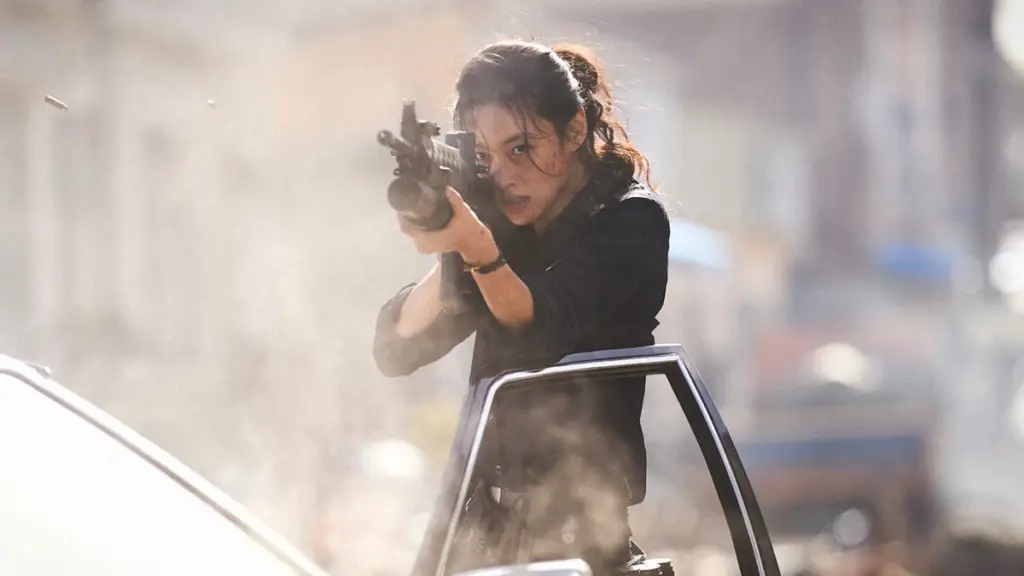
In terms of representation, I believe Na Hong-jin’s use of Hollywood movie stars, such as Alicia Vikander and Michael Fassbender, to play the main aliens is to project the paranoia of a 1980’s isolated, trigger-happy DMZ border village and its fear of outsiders. Character-wise though, the film’s only strength is in its female gender representation, specifically through the only significant woman on screen, the deputy Sung Ae (Hoyeon). Surrounded by the hyper-masculine bravado of the hunters and her boss, she consistently proves herself to be just as resilient, tactically sharp, and often far more capable than her male superior. Her character is the only one who doesn’t feel like a caricature.
A first installment of a trilogy doesn’t need to resolve every mystery, but it must give its audience a compelling reason to invest in the larger story. Hope doesn’t do that. It fails to establish the world, flesh out the purposes of its heroes or villains, or do anything necessary to build anticipation for future installments. Giving the audience a brief glimpse of what lies ahead in the final minutes doesn’t even work as a cliffhanger; instead, it feels just as disconnected from the rest of the narrative as everything that preceded it.
With that being said, the raw choreography, stunt driving, and practical effects are absolutely masterful; the visual action of Hope raises the standards of South Korean filmmaking, matching or surpassing even Hollywood. It’s worth a watch for the adrenaline alone.