




Once Upon a Time in (White) Hollywood
Tarantino's alternative history of the 1960's uncritically repeats the era's sexist and racist stereotypes.
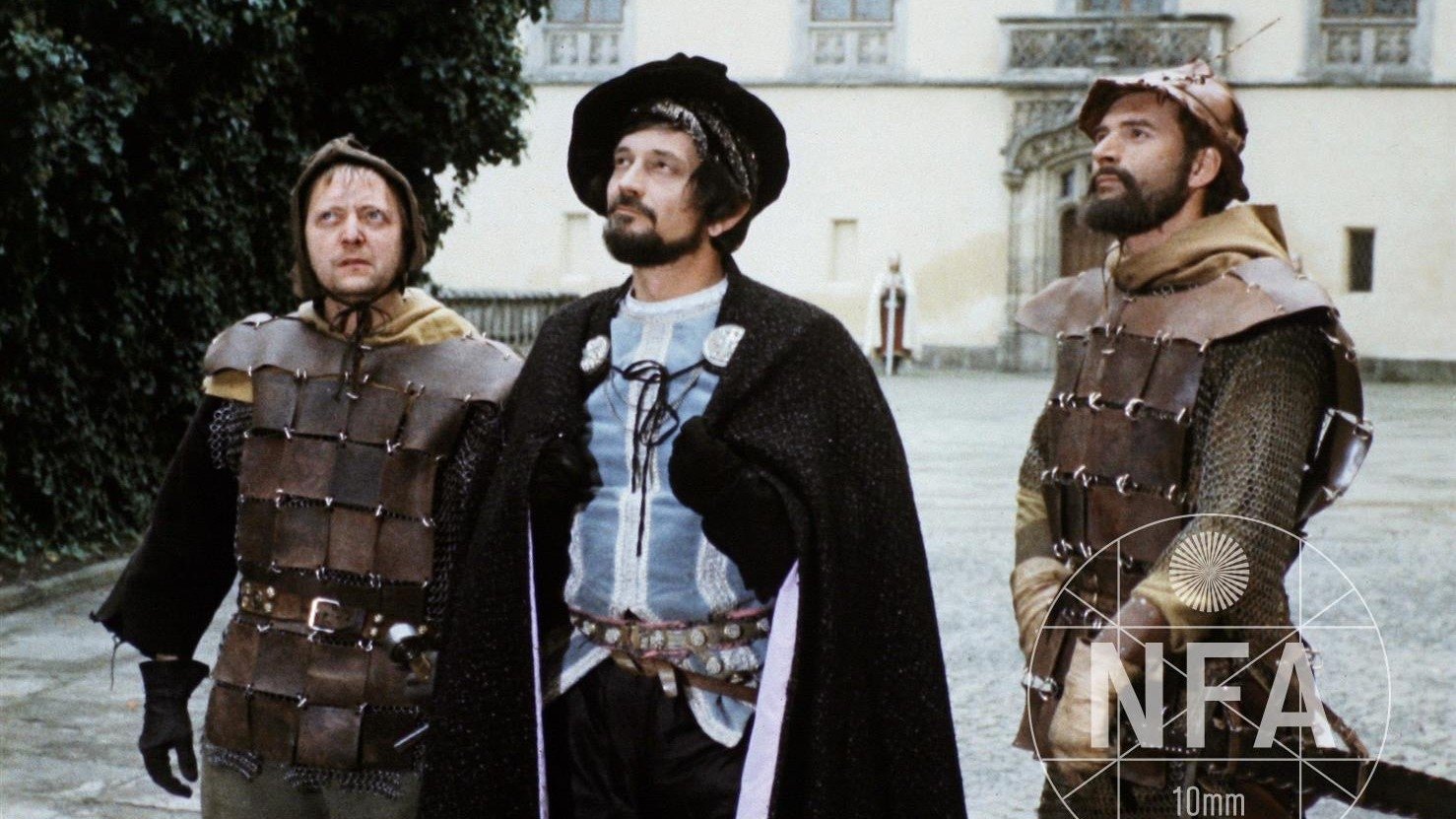



A king was dying. An old man told his sons that only the water of life would save him.
Tarantino's alternative history of the 1960's uncritically repeats the era's sexist and racist stereotypes.
Mai yells what every parent dreads hearing from their child: “tao ghét mày” (“I hate you”) and runs from the scene, where Hai discovers that Mai was telling the truth about the wallet.
Miles Morales learns to be his own hero as he takes on the well loved mantle of Spider-Man in a multiverse of Spider-People.
Sorry to Bother You ultimately speaks to the unfair advantages that the country’s power structures award to those with the resources to control others, as Lift’s easy access to the media allows his opinion to be the only one that matters in the eyes of the unsuspecting and easily impressed public. Moreover, it reveals the extent to which the American Dream has any true validity. It postulates how the promise of success and fulfillment as promoted by the American Dream more often than not leads to the undoing of the individual. Interestingly, in its revealing of the American Dream as merely a facade, Sorry to Bother You wisely questions whether or not anything can really be done to undo a system that has been accepted and in action for centuries.
Ricky Staub’s Concrete Cowboy, based on Greg Neri’s novel "Ghetto Cowboy", tells the story of a young teenager forced to adapt to a new lifestyle.
Why is 'The Green Knight' so white? People of color are so removed from the origins of 13th century art. We’re looking toward the future, and part of that should be updating aspects of our stories to mirror those evolutions.