

'The Invisible Man' (2020)
'The Invisible Man' triumphs in tension even as it drops the ball on genuine surprise for the audience.
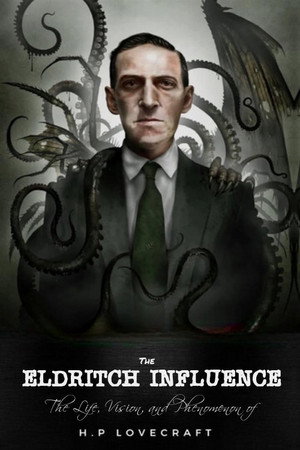


The Eldritch Influence looks at the world of literary outsider H.P. Lovecraft who posthumously infected a large number of artists, writers, mystics, and fanatics with his wonderfully bleak worldview. Using passionate interviews and colorful commentary the film presents a picture of Lovecraft’s life and thought through those he’s touched and inspired. Featuring extensive interviews with Lovecraft biographer S.T. Joshi, authors Ramsey Campbell, Neil Gaiman, Brian Lumley, and filmmaker Stuart Gordon.
'The Invisible Man' triumphs in tension even as it drops the ball on genuine surprise for the audience.
The plot could’ve really been interesting if the elements of lycanthropy was integrated with perhaps the struggle of identity of being LGBTQ+. It's an experience for so many that as they’re starting to realizing their true selves, they feel like a monster, especially if they come from unsupportive homes or communities. Instead, the horror and transformation elements seem thrown in without contemplation of how this could deepen the narrative.
Mr. Malcolm's List is a pleasant promenade through a fantasy Regency-era England filled with people of color. For fans of Bridgerton, this is the PG version of the show, but with completely colorblind casting and a much lighter tone.
The Invite is witty, dramatic, funny, and probably the best comedy released this year so far.
Wacky antics ensue when a 100-year-old Jewish man wakes up from a pickled hibernation in the modern world.
It’s 2021 and what few LGBTQ+ films that are produced by major film studios continue to star cisgender heterosexual actors, rather than actual LGBTQ+ people.