


Incluvie – Better diversity in movies.
Identity in film with Incluvie stamps, scores, reviews.

Incluvie – Better diversity in movies.
Explore identity in film with Incluvie stamps, scores, reviews, and insights.

trailer banner
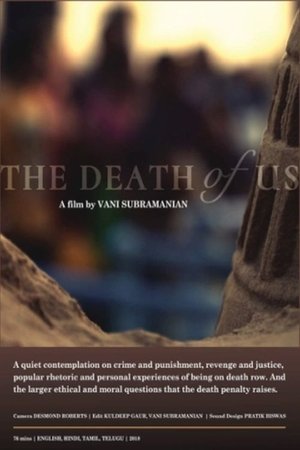
The death of us poster

The death of us 

The debate on death penalty is loud and impassioned. Instead of echoing that cacophony, The Death of Us, quietly reflects on a range of cases in which the death penalty was pronounced. Sometimes, ending in the execution of the convicted; sometimes in commutation to a life sentence; and sometimes to acquittal and release. Speaking to some who have been on death row, and others closely involved with the cases, we engage in complex conversations on crime and punishment, revenge and justice, popular rhetoric and personal experiences. Only to find ourselves confronted by larger ethical and moral questions across time and space.
- / 5
PopScore
Representation

Pictures and Videos


Incluvie Gala

Movie Information


The debate on death penalty is loud and impassioned. Instead of echoing that cacophony, The Death of Us, quietly reflects on a range of cases in which the death penalty was pronounced. Sometimes, ending in the execution of the convicted; sometimes in commutation to a life sentence; and sometimes to acquittal and release. Speaking to some who have been on death row, and others closely involved with the cases, we engage in complex conversations on crime and punishment, revenge and justice, popular rhetoric and personal experiences. Only to find ourselves confronted by larger ethical and moral questions across time and space.

Rating:
Genre:
Directed By:Vani Subramanian
Written By:
In Theaters:
Box Office:

Runtime:76 minutes
Studio:Doordarshan

Articles You May Like


The Rise of a Kindhearted Comedy Hero: The Anti-Toxic Masculinity Message of Brendan Fraser Films

Throughout Brendan Fraser’s career, he has played a plethora of unique, layered characters who explore the importance of not being afraid to display your emotions, something that is often seen to not be a masculine trait. This idea of regulating emotion and what traits men are able to possess creates a toxic atmosphere for men who are often told they should not cry or represent their emotions in any physical way. These characters represent that men can be joyful, emotionally conscious, and sensitive, while also representing their masculine identity instead of painting those qualities as fighting against their masculinity.

Amanda Mazzillo