






'Pulgasari': The Strange Story Behind North Korea's Godzilla
When we hear Korean Cinema, we often think of South Korean Cinema, but what about North Korea? Sure, North Korea has its propaganda moments, but 'Pulgasari' might be its best one yet.
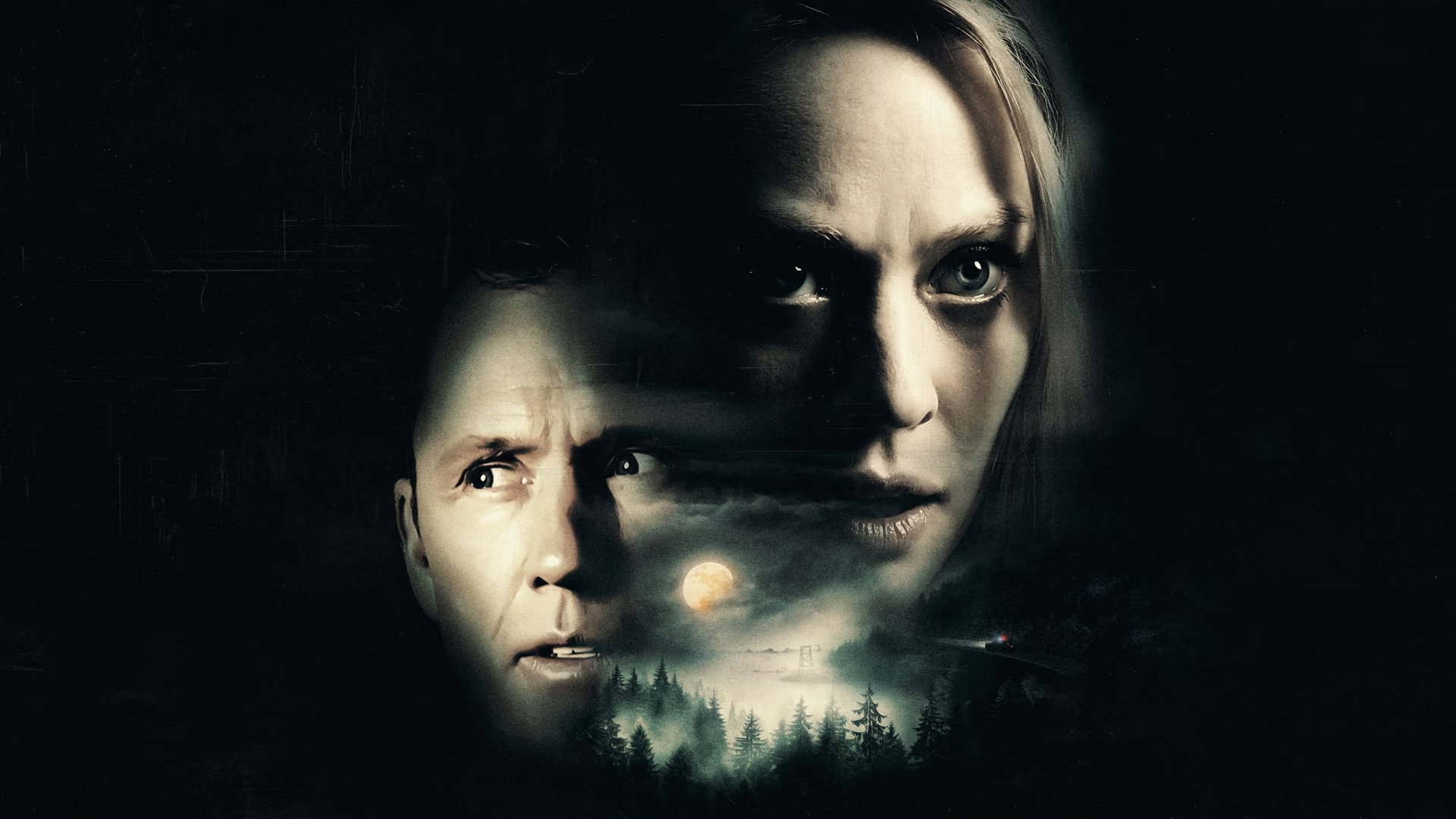
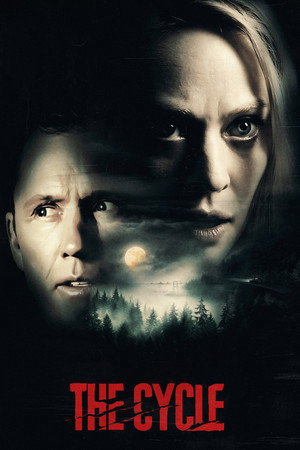


As a lifetime fan of the horror genre, there is nothing I hate more than when a horror movie treats its female characters as “scream queens" and victims of the creature or the serial killer lurking in the shadows, while the men do the heavy lifting. That’s why it’s so refreshing when a male director, in this case Jordan Downey, comes up with The Cycle, a movie that refuses to lean into the same old, same old monster-movie tropes, and he actually builds the entire premise around the intellect and the history of a capable, smart female protagonist.
Deborah Ann Woll plays Meg, a highly established forensic anthropologist who spends her days training FBI agents. Clinical, structured, and entirely in control, she allows herself to give in to her emotions only in private. However, when a newly discovered corpse lands on her table, it shatters her academic bubble: the body belongs to her father, who vanished 36 years ago. This shocking discovery pulls her out of her straightforward world and into a small-town nightmare, where a mother and daughter have just been brutally butchered by what the locals presume is a wild animal.
What I loved most about Meg and how the movie is bulit is that, when faced with her own father’s body, she doesn’t dissolve into tears or standard horror-movie hysterics. Contrary to how women are usually treated in this type of movie, she is capable of making a clear distinction between her role as a forensic professional and the role of the abandoned daughter standing over her decaying father’s body. She processes her grief through her job. She looks at bone fragments, wound patterns, and biological data, treating a literal supernatural threat like a puzzle that can be solved with science. All the emotional baggage she may carry is shown only when she’s alone, in the hotel room, in the dark. When she’s out, doing her job, she’s the embodiment of the objective professional expert.
Jordan Downey wraps the whole story in a heavy, oppressive fog which acts like a mirror to what’s going on inside Meg’s head. She doesn’t know what to think because nothing is what it seems about her father’s body and the other victims she comes across. She’s also facing an internal battle between what the world expects her to feel and her detachment. The visual contrast between the sterile, cold examination room and the chaotic, brutal violence of this creature is incredibly striking. It elevates the movie from a standard creature feature into a genuinely unsettling look at hereditary grief.

A daughter unravels her father's dark past after his body, missing for 36 years, is found at a horrific crime scene.
When we hear Korean Cinema, we often think of South Korean Cinema, but what about North Korea? Sure, North Korea has its propaganda moments, but 'Pulgasari' might be its best one yet.
For many people, Disney+’s debut show, The Mandalorian, was a breath of fresh air for the Star Wars universe. The Disney Gallery shows audiences how that show came to be.
A film loosely based on the fairy tale Hansel and Gretel, with major twists to the original story.
Disclosure Day asks us to question humanity's role in the universe but falls victim to the same assumptions of centrality.
Despite the film’s efforts to reframe its heroine with modern complexity, a certain emotional distance lingers.
Many have interpreted Maya Deren’s Meshes of the Afternoon as a dream sequence, but what if the repetitive scenes we are given are not dreams but, a time loop.