




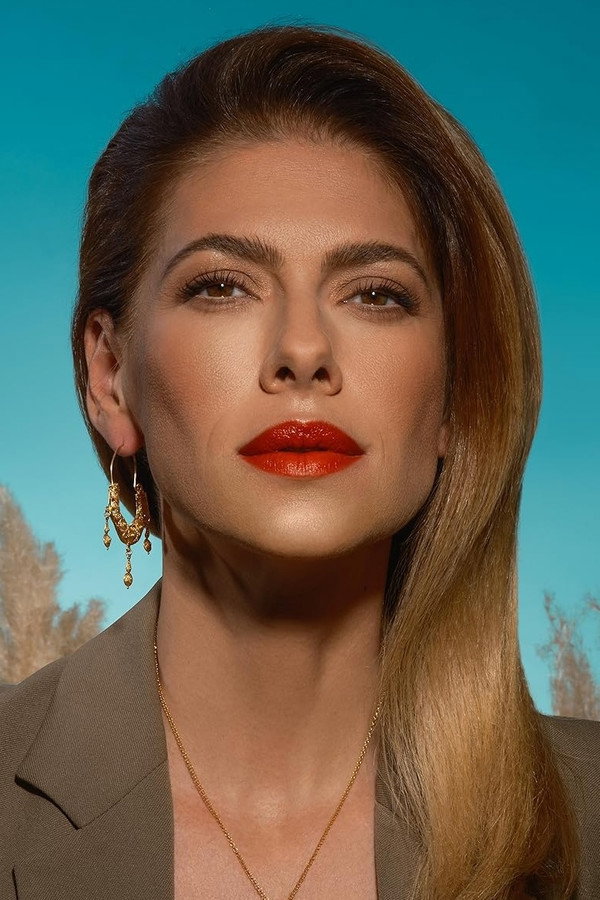

Why Angelina Jolie's "Hardbody" in 'Lara Croft: Tomb Raider' Appeals to the Woman Spectator
While the camera is objectifying her body to invoke a sexual response in male viewers, Lara Croft still defies the expectations of women in action films.
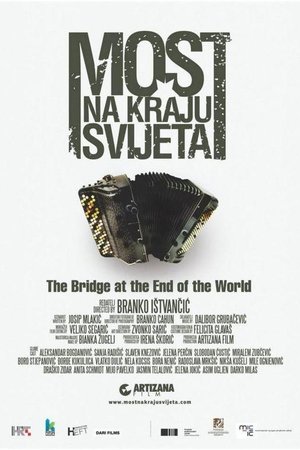


The war has ended. Villages of Bosnian Croats have been destroyed, and they are living in the homes of the Croatian Serbs. An old man, a Bosnian Croat, disappears. A policeman Filip, himself living in a Serbian home, investigates the case uninterestedly. Through the relationship with his father, Filip tries to understand the motives of the missing old man. As the film moves towards the end, Filip’s investigation becomes more and more personal.
While the camera is objectifying her body to invoke a sexual response in male viewers, Lara Croft still defies the expectations of women in action films.
There’s enough evidence to insinuate that What We Do in the Shadows is intentionally queer-coded.
Although Christmas is a time of year for love and cheer for all, holiday cinema has not always represented diverse communities. Being a holiday with Christian origins, much of its media consists of straight white families or straight white romances. Luckily, modern years have been bringing with them plenty of POC and LGBTQ+ representation that the holidays so desperately need.
Disney’s first Christmas advert, ‘From Our Family to Yours’ teaches us the magic of the holidays.
I first saw Dear Evan Hansen on the Broadway stage. Apparently, I was so blown away by the magic of theater that I didn’t pick up on the questionable dynamics. The story's clumsy handling in the movie brought those issues to light.
The cancelling of these series is being blamed on the writers' strike and low viewership, but it's just the latest example of the industry's lack of appreciation for stories about queer women.