










Gus Van Sant's Constant Thematic and Cinematic Elements
The differences in these films could not be more blatant, and yet Gus Van Sant has found a way to portray the same messages and use the same techniques in each.
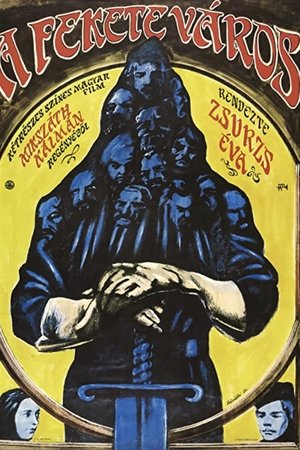


Feature film version of the 1971 series. On the eve of the 18th century, County Vicecomes Görgey Pál broods alone in his manor while the town of Leutschau celebrates New Year’s with lead‐casting omens and a disastrous hunt that sparks a bitter feud. As Görgey fights for his honor and life, and the townspeople defend their Saxon privileges, their mutual blind ambition prevents them from seeing the rising light of Rákóczi’s coming rebellion.
The differences in these films could not be more blatant, and yet Gus Van Sant has found a way to portray the same messages and use the same techniques in each.
The Franke kids seemingly lived a normal life, until their mom met the infamous Jodi Hilderbrandt.
A spoiler-free review of 'Glass Onion: A Knives Out Mystery,' highlighting the way the modern setting and current social climate once again influence Johnson's approach to the whodunit narrative.
A dog who needs to learn new tricks in this family comedy.
I’m still trying to comprehend the psychological and moral implications of their fascination with each other, or why their almost written-in-the-stars depth of connection makes so much sense.
Not only does the system prevent upward mobility, but it makes it incredibly easy to slide from comfortably middle class to unhoused.