

‘Fast Color’: A Strikingly Different Take on the Superhero Film - Movie Review
Set in a future dystopian United States in which water is running out, Julia Hart’s Fast Color (2018) is a refreshingly different take on the superhero film.
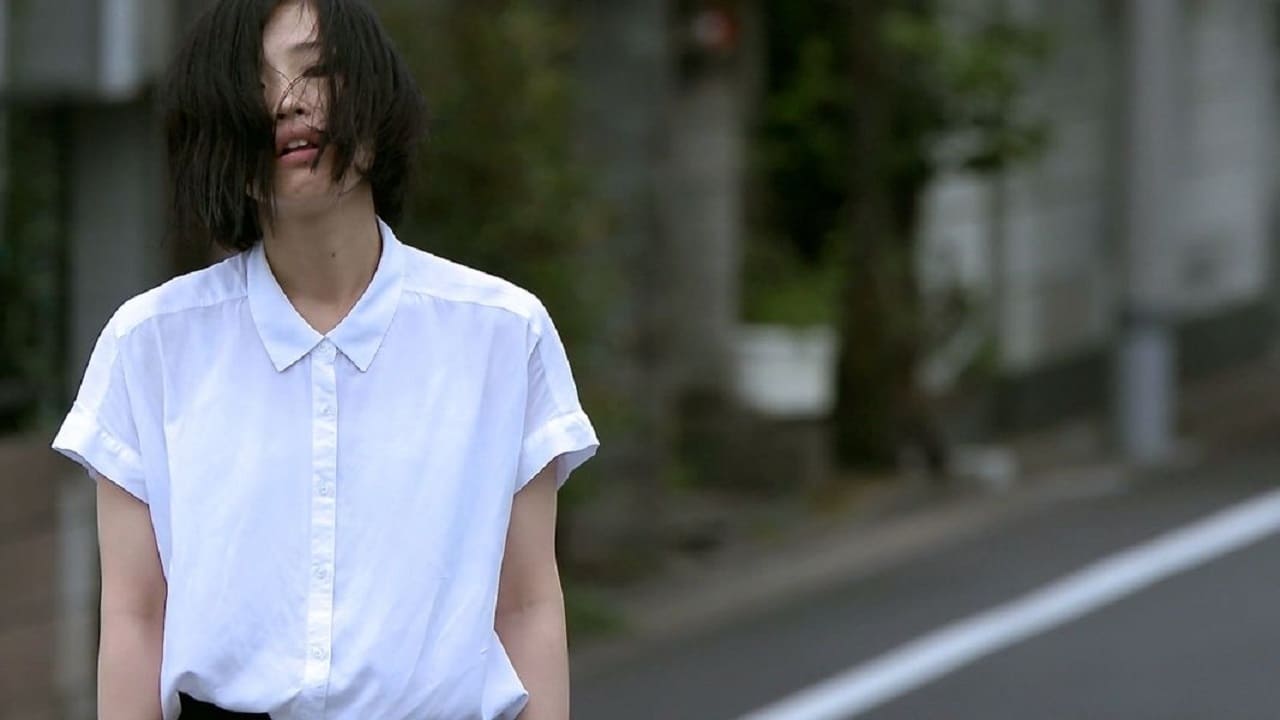



Mariko, a seemingly normal housewife, has been together with her younger husband named Tomoharu for six years and has been dissatisfied every day. Despite having a son together, Tomoharu is often absent from home and she suspects he might be having an affair. Her workplace, a batting center, is also a miserable environment because the sleazy manager chases after her and the customers are rude. With constant pressure bearing down on her in public and private, Mariko becomes dominated by a certain obsession that eats away at her perception of reality.
Set in a future dystopian United States in which water is running out, Julia Hart’s Fast Color (2018) is a refreshingly different take on the superhero film.
As one of the women said in the film, friendship in your teens is “as important as any lover” and it’s clear they lived that philosophy throughout their early adult lives as well.
But what many do not know is that in 2019, a Wonder Woman film was released that had all of the positive qualities of WW84, and remedied many of the negative ones. Wonder Woman: Bloodlines, a direct-to-video animated movie in the DC Animated Movie Universe, perfectly balances the campiness and seriousness of the character.
“It's not ghosts. It's not supernatural. It's... It's America. And it's everywhere.”
I understand that this would have been consistent with the language used by that generation, due to its role in the medical profession, however as someone who has family members with Down Syndrome I took it very personally.