Zootopia 2—Is it worth the watch?
Disney has long since had a reputation for creating underwhelming sequels. Is Zootopia 2 any different?


Recently, I was lucky enough to be able to attend a screening of the short film MĀHŪ: A Trans-Pacific Love Story by Lisette Marie Flanary. A documentary about the artists within a hula performance titled MĀHŪ—a performance about Māhū, for Māhū, by Māhū.
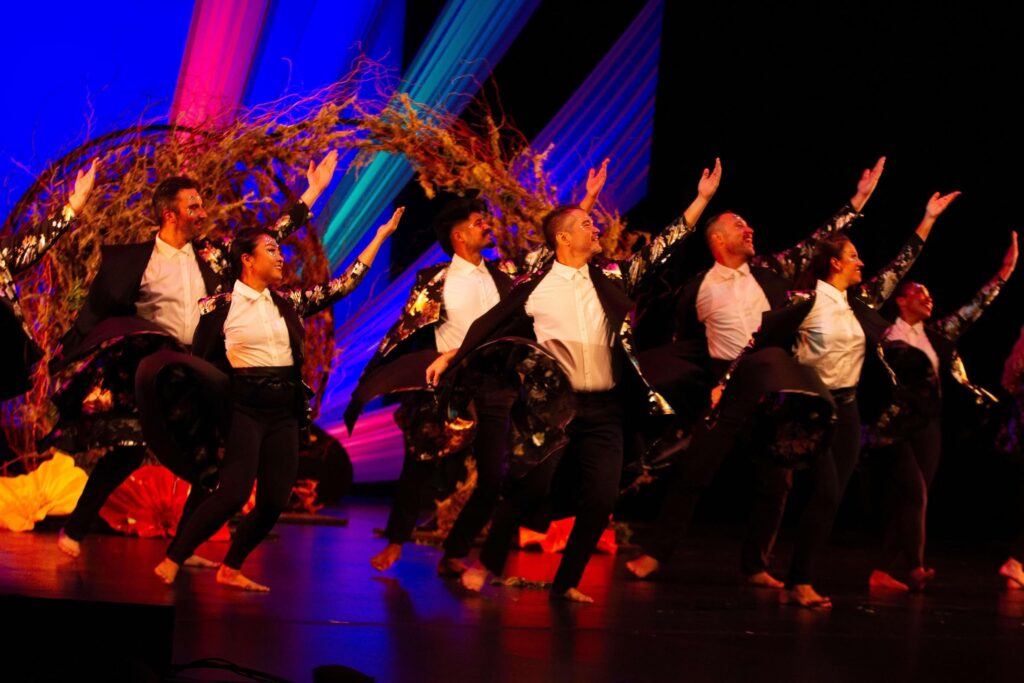
The term ‘Māhū’ once meant the state of becoming in a ritual Hawaii context. Originally a nonbinary term for artisans and healers in Hawaiian culture before the arrival of western missionaries in 1820, it is now one of the most controversial terms in all of Hawaiian culture. It is often used in a derogatory manner to refer to transgender folks in Hawaii. The MĀHŪ performance is in a part of an activist push in reclaiming the term for those who are transgender—a plea to the wider Hawaiian community that being transgender is to be human, too. It is a pushback against Western colonization, too—to return to a time before Western rhetoric, back to indigenous culture, to when gender fluidity was accepted and celebrated amongst Native Hawaiian communities.
The film is expressive, it’s raw, it’s heartfelt. There’s a great sense of assimilating within their home community, to go back to the ways of their indigenous culture before they were colonized. Hawaii, to this day, still suffers the effects of this with abundant tourists and these marginalized ideals that came from the outside. To deny Māhū their identity is to deny them of their humanity. They are here, this is who they are, and they will not be shunned. It is a representation of humanity at its purest form.
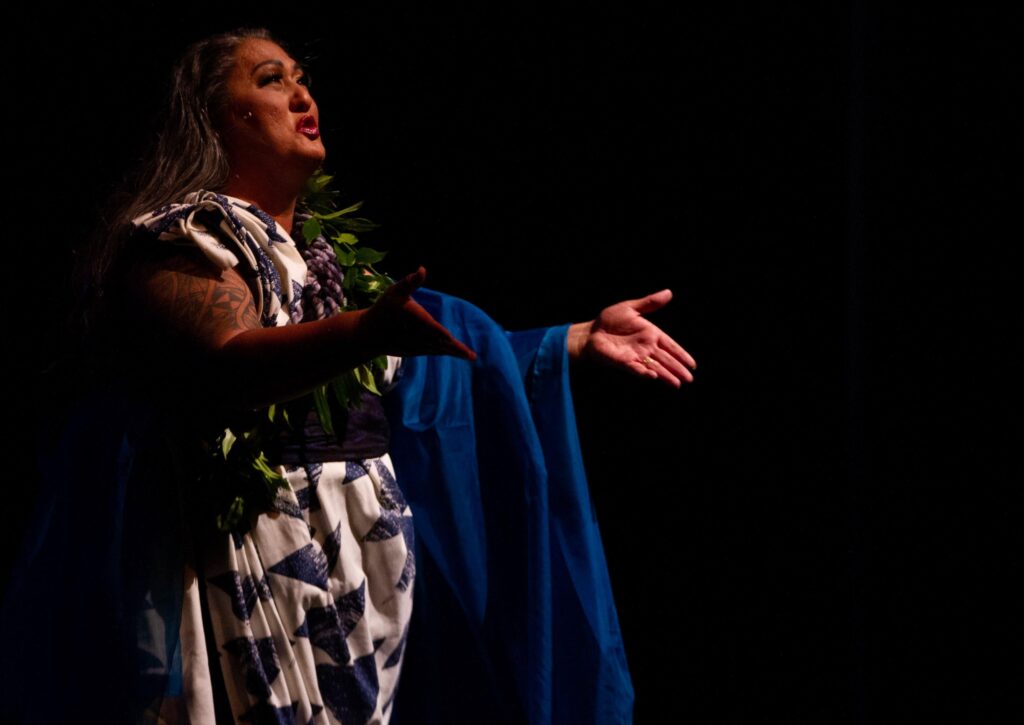
“Sing your songs, dance your dances,” lead artist Patrick Makuakāne is quoted to have said. “Through your art, people will see your humanity.” Featuring the performances and interviews of Patrick Makuakāne along with Hinaleimonana Wong-Kalu, Iwalani Ho-ohmanawanui Apo, Kaumakaiwa Kanaka’ole, and others, this film also displays the beauty and soul of art itself. Art is nonbinary, and it is how we express ourselves—it is the most difficult and loving thing we can do as humans. Especially in the era of generative AI, this message is especially important. Our identities cannot be smothered or replaced—they will always be there for all those who look.
All in all, this film is a perfect representation of what it means to be Hawaiian, what it means to be Māhū. It was an incredible film and I’m honored to have gotten the opportunity to watch it.