





Daddy Shark: 45 Years of “Jaws”
As a cultural touchstone, Jaws has launched a thousand parodies, tributes, and memorable quotes.
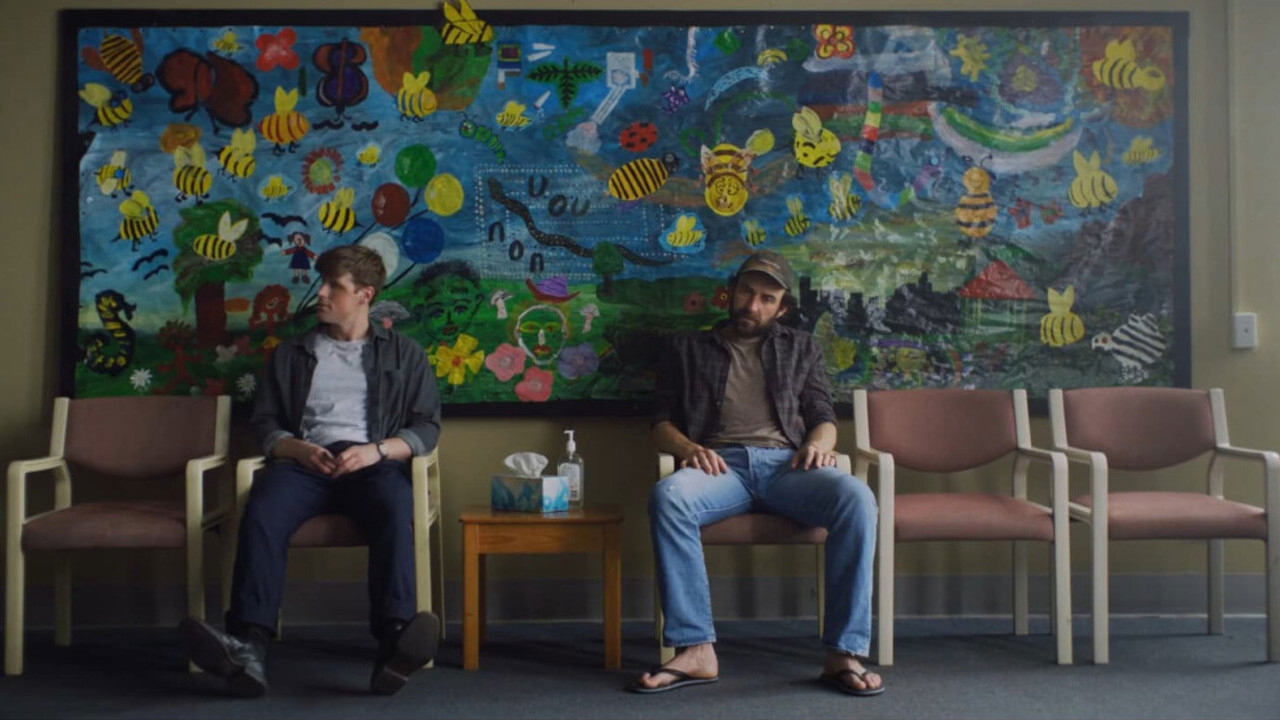
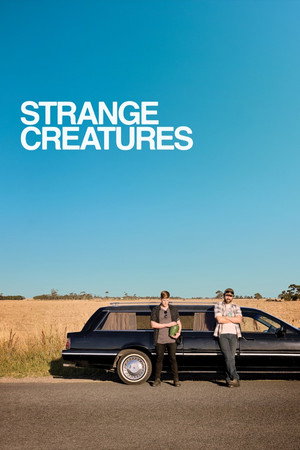


Pansexual Nate hasn't spoken a word to his heterosexual brother Ged in over four years after an argument involving sexual drama. But when their mother dies, the brothers must put aside their differences to fulfill their mother's last wish: to have her ashes scattered across the country. As they traverse half of Australia, the men soon realize that the journey will be anything but smooth. Their intense dislike for each other and a series of unfortunate events threaten to keep them from reaching their goal.
As a cultural touchstone, Jaws has launched a thousand parodies, tributes, and memorable quotes.
The Olivia Wilde renaissance is upon us.
Since Season 2 of Peacemaker is currently airing, let’s revisit the movie that started it all.
This spin-off series follows the adventures of Kitty Covey, Lara Jean's younger sister from the "To All the Boys" film franchise.
There’s been a longstanding criticism of sci-fi films about its lack of Black characters. For the past few years, Anthony Mackie has been successfully representing Black masculinity in the otherwise homogenous genre and I am here for it.
A story of a magical dragon brings great representation for Chinese culture.