

‘WandaVision’ in Color: Spoiler-Free Recap of Episode 3
Episode 3, entitled “Now in Color,” brings us to the 1970s — a decade full of vibrancy, color, and total mayhem.



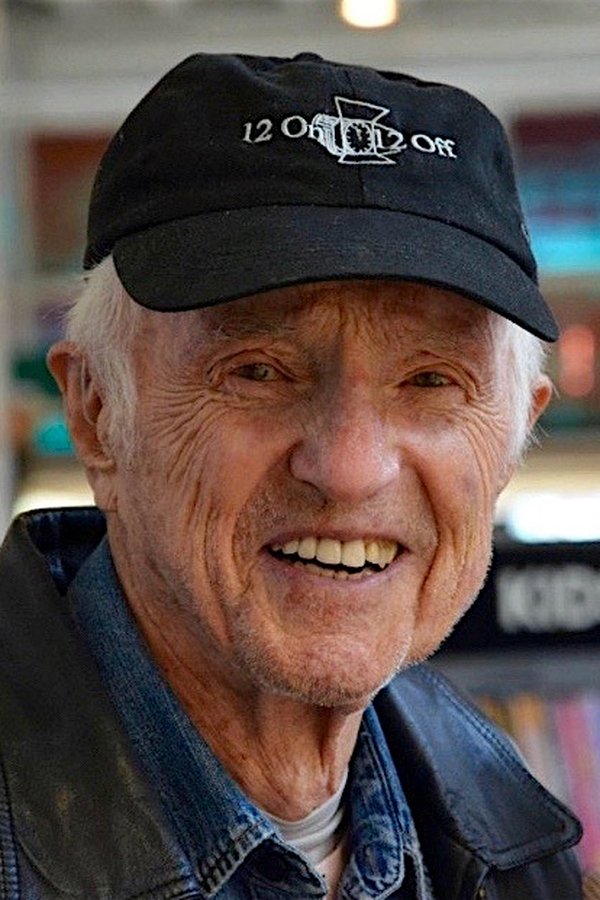
What began as a video master class evolved into a film about the political documentaries of Oscar-winning cinematographer Haskell Wexler. Comprised of footage from his films as well as interviews, the film is an intimate portrait of the genius behind the camera.
Episode 3, entitled “Now in Color,” brings us to the 1970s — a decade full of vibrancy, color, and total mayhem.
"WHAT ARE YOU WILLING TO SACRIFICE?!!!!" "EVERYTHING!!!!!" This is but one of a multitude of highly emphatic questions, and subsequent answers, being asked in the newest feature film from one of the current masters of horror, Jordan Peele ("Get Out", "Us" and "Nope"). I must give Peele credit in that he continues to push the boundaries of specific genres and their associated tropes in order to provide what ends up amounting to subtly then jarringly intense, yet still character and story-driven, cinema that speaks more to indie stylings than mainstream.
A haunting look at grief, survival, and a mother’s quiet collapse in a world that never gave her room to fall.
Malignant is a roller coaster ride of slow-build scares, moments of wonderfully absurd camp, and explorations of autonomy.
Even now, the well-established Snyder has yet to learn this as he continues to allow misguided decisions to convince him that his projects hold the same kind of intelligent and emotional weight. Army of the Dead is a tonal mess, one that never decides what it’s trying to be, and, for all we know, doesn’t want to decide.
It’s been five months since Wayward premiered on Netflix and it still has some of us in a choke-hold.