Caught Stealing and Caught Wanting More
You'd better buckle up, pack spare underwear, & maybe lay off the drinking for a night, for a gnarly ride in New York!

It’s been five months since Wayward premiered on Netflix and it still has some of us in a choke-hold. Has anyone managed to find something to fill the desire for more after finishing the last episode, or has the miniseries completely set the bar so high it’s ruined you for anything else? If Mae Martin, comedian, musician, author, artist, podcast host, actor and the creator of Wayward, hasn’t already raptured your heart (or at minimum coaxed your attention with their flourishing success), Wayward will absolutely steal you away.
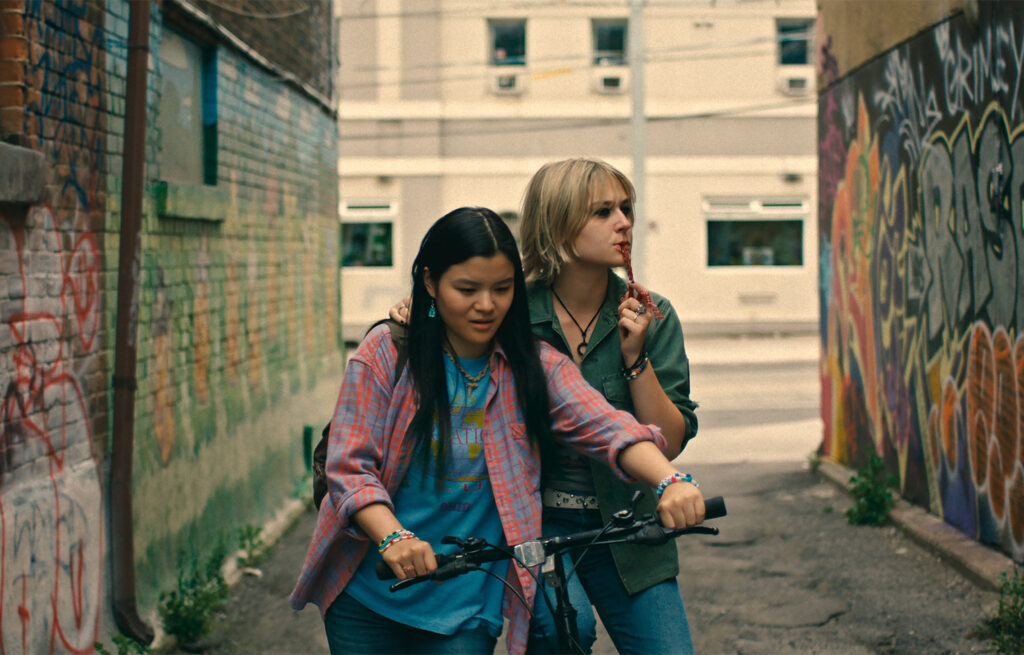
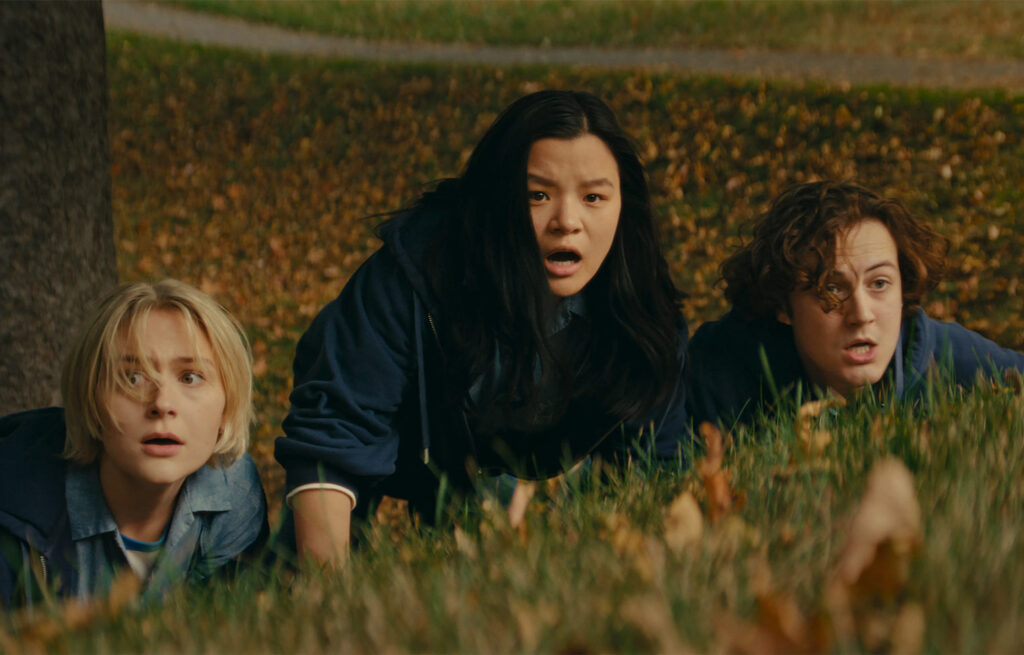
Throwback to the early 2000s, two best friends, Leila (Alyvia Alyn Lind) and Abbie (Sydney Topliffe), have their school year interrupted when Abbie is abducted in the middle of the night by a group of masked men. Abbie’s parents had arranged for her admission to Tall Pines Academy, an academy for “troubled teens”, and watched as their child was dragged away, screaming in fear. Desperate to find and save her best friend, Leila searches for answers. With a lead, she hitchhikes her way to the charming little town of Tall Pines, Vermont, where Tall Pines Academy dwells. Sneaking on campus when she spots Abbie outside during a recreational hour, Leila is quickly discovered. Admitted to the academy as well, Leila quickly discovers the vicinity is more than just smiling faces and a persuasive pitch to get wayward kids back on the right track. Leila’s plan to break Abbie out wasn’t as easy after Abbie lost her spark and became complacent with the “cookie cutter” routine to success, created by the academy director Evelyn Wade (Toni Collette). With questionable leadership, cult-like behavior, sketchy classmates, and an absurd amount of frogs in unexpected places, Abbie and Leila work together when they agree that something isn’t quite right. Like a bad trip, Abbie, Leila, and a few other teens at the academy team together to uncover the truth, expose the ones in charge and finally get free.
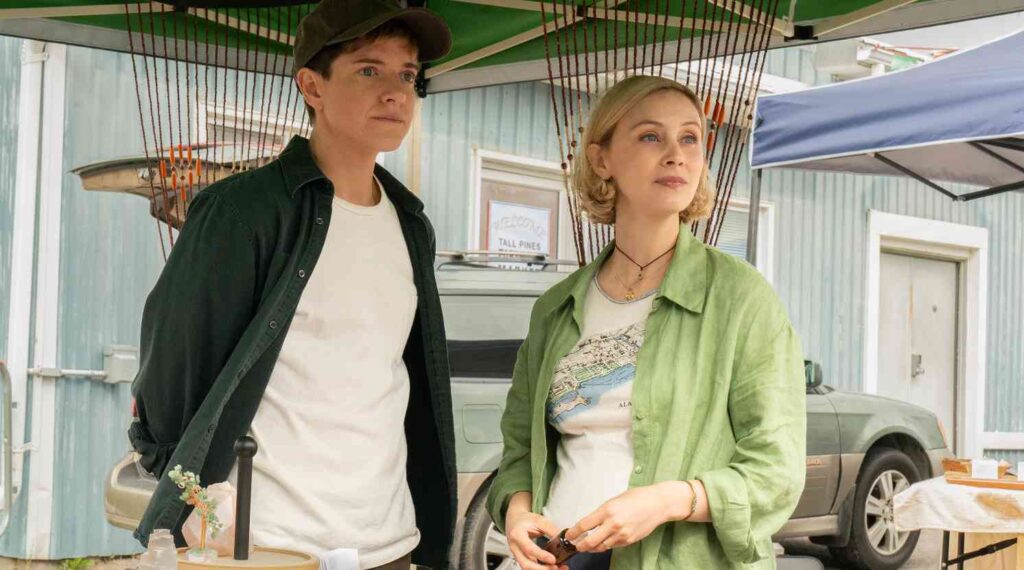
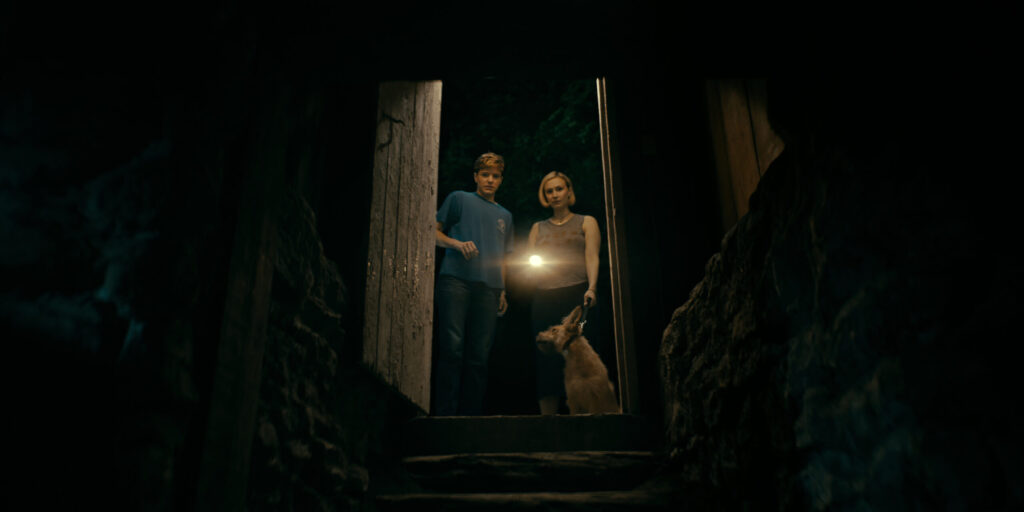
A happy, expecting couple, police officer Alex (Mae Martin) and his wife, Laura (Sarah Gadon), move into town for a fresh start. Alex begins to question if he really knows his wife after an intruder, who happens to be a student that escaped from Tall Pines Academy, warns him that Laura is “one of them”. Curious, Alex does his own investigation, leading him to the academy itself. Encountering Leila and Abbie in a concerning situation, his own questions and concerns lead him to believe their plea for help. The kids finally have a sense of hope, as Alex teams up with them to help save them and unravel the mysteries and secrets of Tall Pines Academy, the charming town, and his wife. Alex quickly discovered, with shifting truths and unreliable witnesses, no one can fully be trusted. A desperate plan to uncover the truth quickly turns into a race to escape the terrifying unknowns of the little town, Tall Pines.
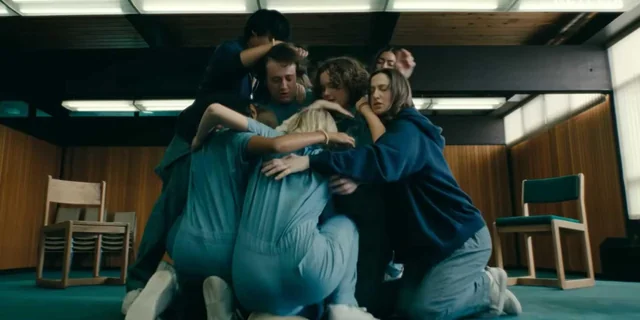
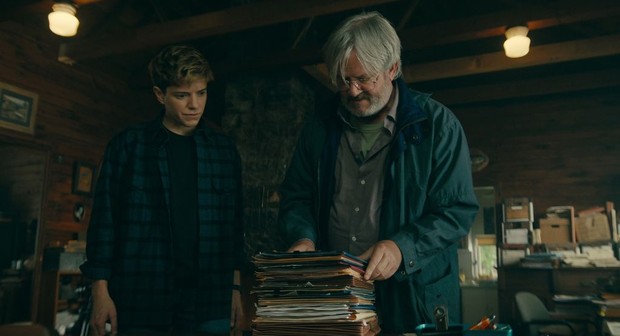
With a colorful cast, both in skin tone, gender, and queerness, representation can be found in every episode of this series, depicted by the characters as well as the cast playing them. The Canadian cast consists of BIPOC actors like Brandon Jay McLaren, Milton Torres Lara, Tattiawna Jones, Patrick Gallagher, and Sydney Topliffe. The queer representation is carried by Mae Martin, (non-binary, they/them pronouns) who plays a trans man in the series, and Alyvia Alyn Lind who’s character in the show is bisexual. I, personally, love the way queer characters in the show are free to exist without their queer identity being the only thing that they are. They are all whole complexed beings with desires, faults, paths of growth, and full personalities that don’t revolve solely around their queerness. Their queerness is a feature rather than the only notable thing about them. This makes the characters far more human, making them feel real and relatable, instead of a cliche over processed version of a “gay enough” character, to simply check a box to be inclusive for the sake of more views. While this most likely is a reflection of the show being created by a member of the community, this was a breath of fresh air for me, and I’m sure a lot of other queer identifying and allied people to witness. Whether it’s because they’re a classic “polite Canadian” or if they really are that charming, Martin does a great job of this with characters of color as well. I first noticed this with the BIPOC characters in their 2020 series, Feel Good, who weren’t simply careless regurgitation of cringy stereotypes associated with their skin color, even if they were “smaller” presences in the series story line. I highly recommend that series as well if you need a good laugh and comfort after watching Wayward.
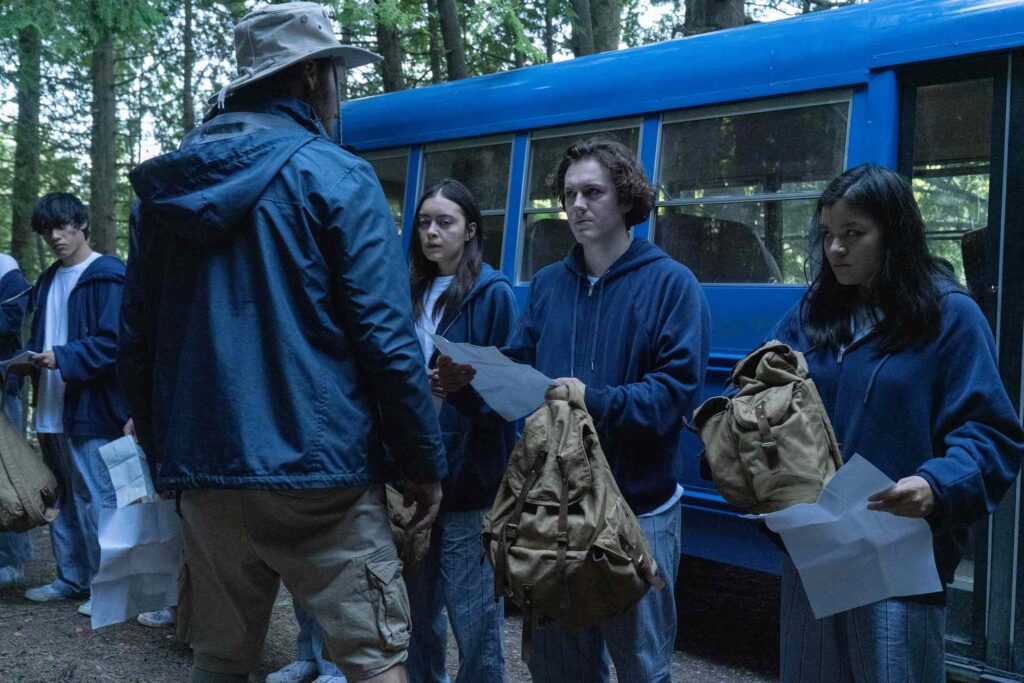
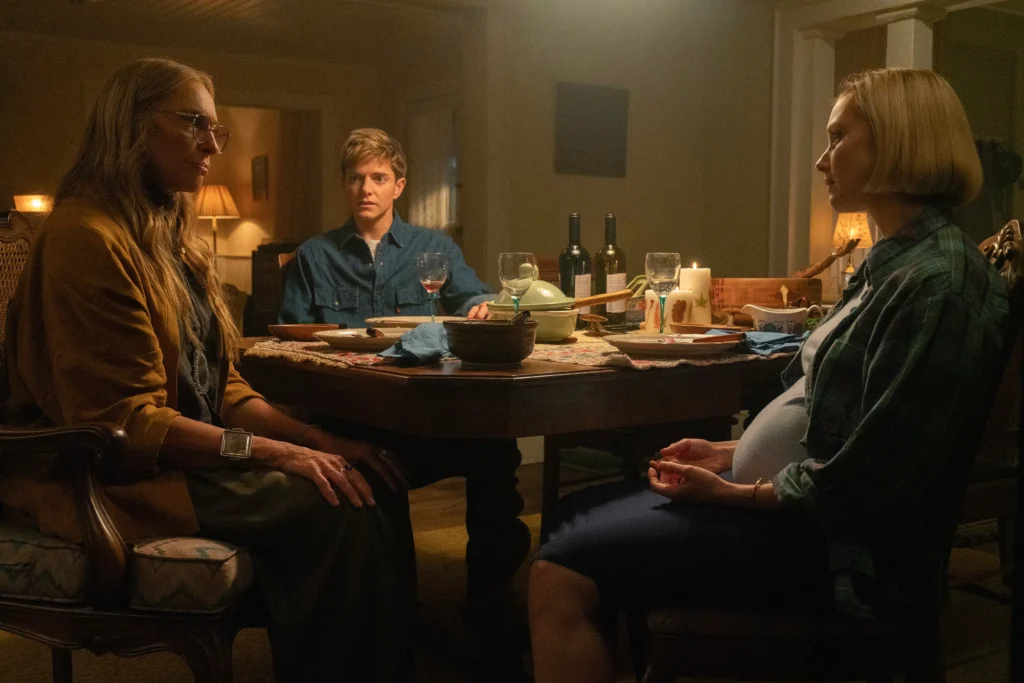
Pulling from real-life experiences and observations of the “troubled teen” treatment industry, Martin not only crafted an absolutely captivating story of mystery, thrill and friendship, but manages to gently pour out gut wrenching truths hidden and forgotten with other uncomfortable lingering realities of the 2000s. I am truly looking forward to seeing what the handsome lil’ cowboy, Mae Martin, delights us with next. Until then, grab a cozy blanket, double check your place for frogs, and press play for an absolutely breathtaking watch (or re-watch) of Wayward. 🐸