


Afterlife of the Party: An Exploration of Female Friendship
Netflix's Afterlife of the Party might fall into the rom-com genre, but it's much more about grief, strong female friendships, and platonic love than it is about romance.
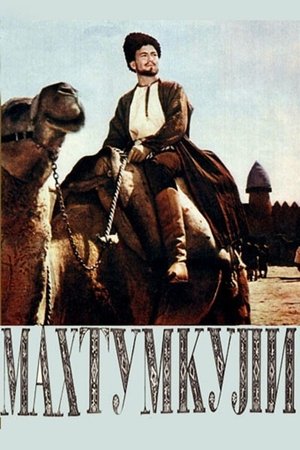


The film is based on K. Kuliev's novel "Magtymguly". A story about a Turkmen spiritual leader, philosophical poet, Sufi and traveller who wrote under the pen name Pyragy (Feraghi) and is considered to be the most famous figure in Turkmen literary history. After graduating from the Khiva Madrasa, the poet Pyragy (Feraghi) Magtymguly returns to his native Turkmen aul. He teaches children, composes poems, loves a beautiful girl and is loved by her. But local bey Cherkez-khan does not like the poet's calls to unite Turkmens, and his soldiers burn the village. Khan appoints the captured Magtymguly his court poet but, having received a refusal, the tyrant orders to kill the poet. But the guard helps the poet to escape. Having returned to the burnt aul, Magtymguly begins to call on Turkmens to unite with Russia, because they could not deal with their troubles alone.
Netflix's Afterlife of the Party might fall into the rom-com genre, but it's much more about grief, strong female friendships, and platonic love than it is about romance.
The film is a powerful narrative encompassing a theme that many people can identify with.
With the theme of unemployment, it presents a family fantasy anecdote rather the a comment on social problems.
Vicenza, a Brazilian girl, goes on a quest by herself to find out who her birth father is by gathering clues.
Disclosure Day asks us to question humanity's role in the universe but falls victim to the same assumptions of centrality.
You can’t talk to my grandpa about The Sopranos. You can’t talk to him about The Godfather either. Merely by bringing up the subject, you’d be treated to a lecture on how movies and TV want you to believe that all Italians are criminals and mobsters. He won’t watch any of it, in protest.