
The Failures of Healthcare in 'Zero Refills' - MiamisFF Review
'Zero Refills' highlights the despicable treatment of the less fortunate by healthcare providers and big pharmaceuticals.
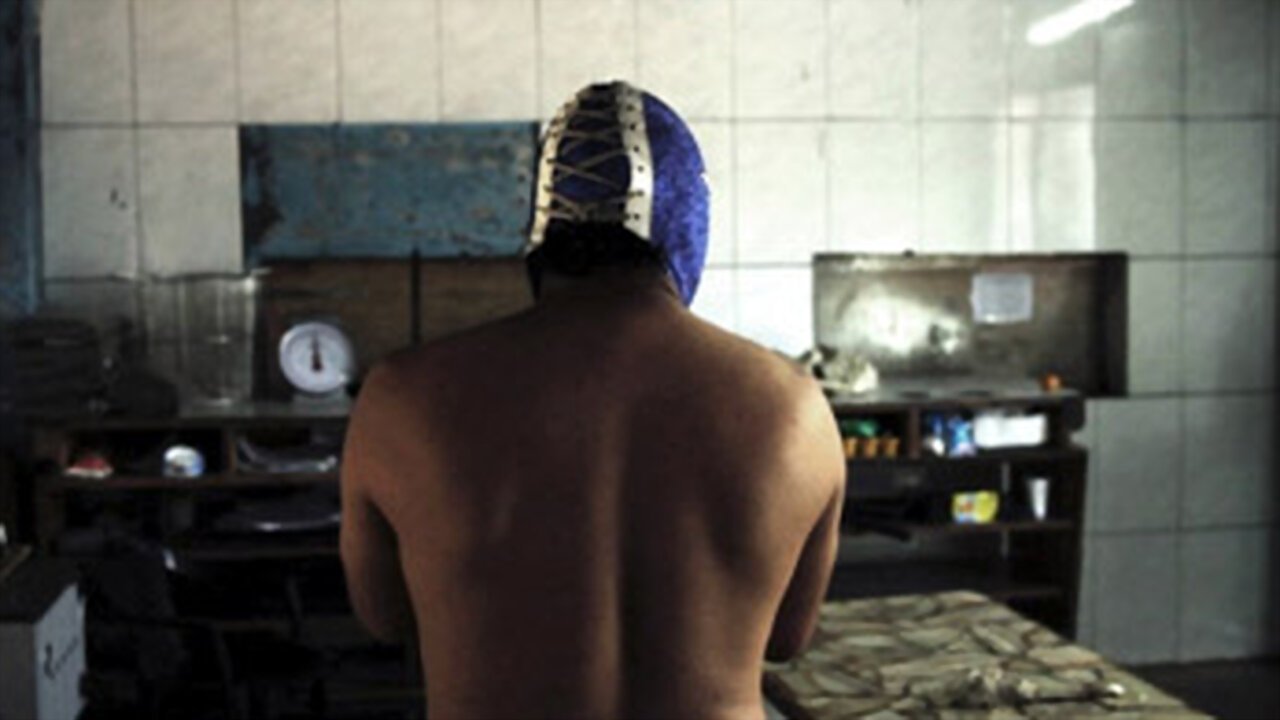



Erasmo Chambi is a Bolivian immigrant who survives on the outskirts of Buenos Aires, giving wrestling shows at local clubs. In his home country, he was a legendary wrestler: there were trading cards, posters and action figures of his character, El Ciclón (The Cyclone), which today are only relics in a forgotten drawer. Nowadays he trains his son to be his successor.
'Zero Refills' highlights the despicable treatment of the less fortunate by healthcare providers and big pharmaceuticals.
If your upbringing was anything like mine, where the TV acted as an additional parent- there are so many new stories and perspectives to explore.
A short film that begins with the language of romance but slowly reveals something far more unsettling beneath the surface.
Emily Henry’s adaptation reaches romance movie standards, but not romance reader standards.
In Spike Lee’s She’s Gotta Have It (1986), we follow the love life of powerful female protagonist Nola Darling (Tracy Camilla Johns) and explore the relationship dynamics she has with her partners. She sees three men simultaneously: Greer Childs, (John Canada Terrell) Mars Blackmon (Spike Lee), and Jamie Overstreet (Tommy Redmond Hicks). Though an 80’s film, She’s Gotta Have It is surprisingly progressive with its themes of female sexuality, although at some points in the film it is handled clumsily. Overall Nola is an incredibly compelling character especially for modern women, as we as a society acknowledge female sensuality more and more without the negative stigma.
"Driveways" is a nuanced portrait of an Asian American family, touching on themes of loss, growth, and belonging.