



"Carol": A Gorgeous LGBTQ+ Romance
The 1950s lesbian romance is stunning, emotional, restrained, and, simply put, one of the best movies I’ve ever seen depicting a woman-loving-woman (WLW) relationship.
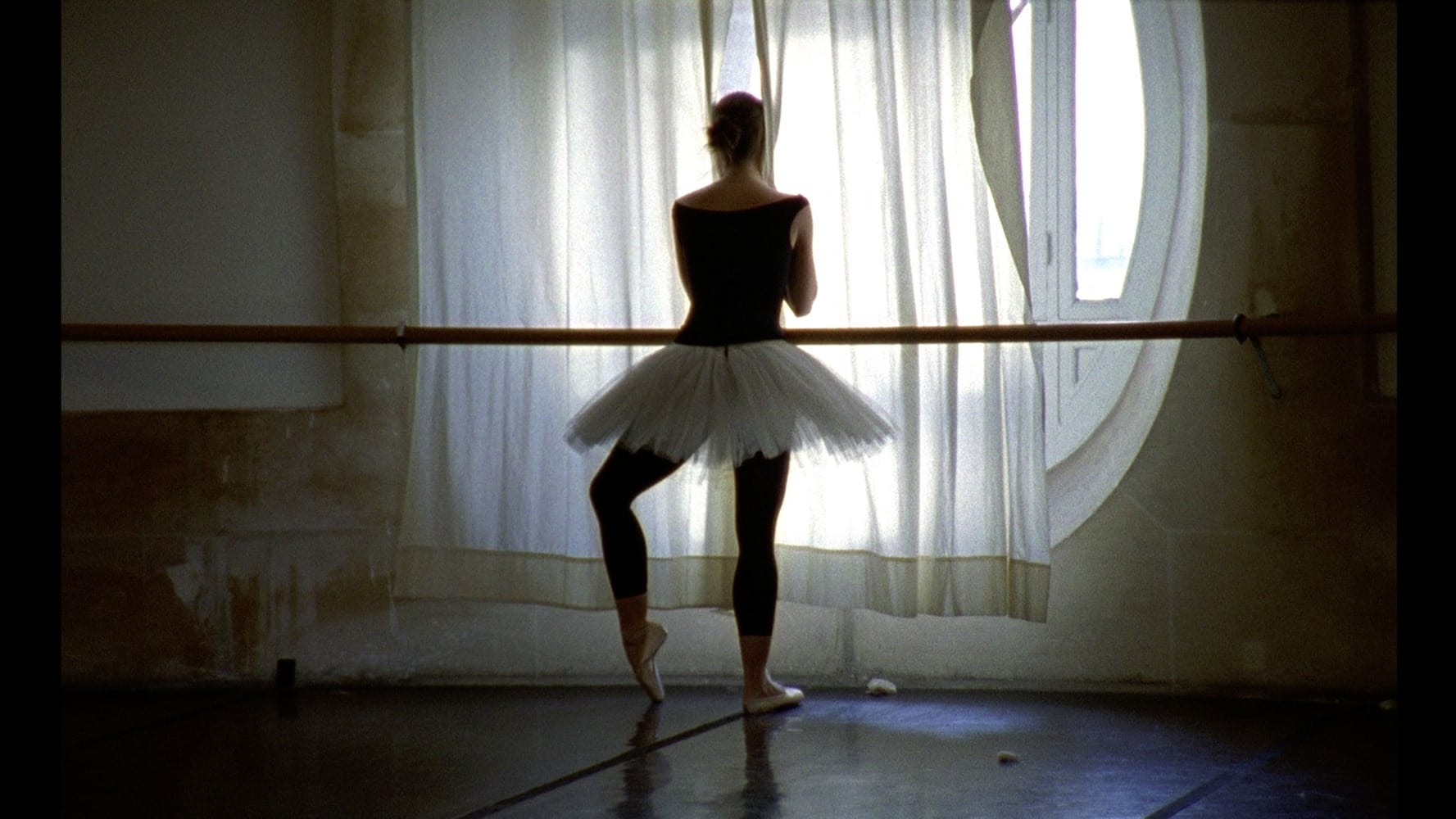
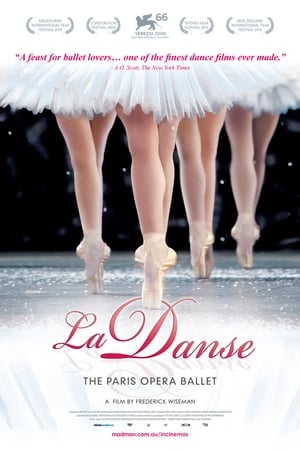


Frederick Wiseman observes the ins and outs of the Paris Opera House, including the processes behind seven of their operas: Genus (Wayne McGregor), Le Songe de Médée (Angelin Preljocaj), La Maison de Bernarda (Mats Ek), Paquita (Pierre Lacotte), Casse-Noisette (Rudolf Nureyev), Orphée et Eurydice (Pina Bausch), and Roméo et Juliette (Sasha Walt).
The 1950s lesbian romance is stunning, emotional, restrained, and, simply put, one of the best movies I’ve ever seen depicting a woman-loving-woman (WLW) relationship.
We are incredibly blessed that this movie is available for us to see, and we should take advantage of the opportunity we’ve been given.
It took writers D.B Weiss and David Benioff two years to give us a promising final season. Two. Years. It was just going to be six episodes, which was short considering that all the other seasons — except season 7 — were 10 episodes. 10. 6 wasn’t enough, and even HBO wanted to give the writers more episodes. More seasons, even. However, the writers wanted to get out of the show as quickly as possible to work on other projects. This abruptness is clearly shown in this season.
Cord Jefferson's hilarious and thought-provoking film continues a long-standing cinematic tradition, expanding the conversation around the impact of systemic racism in today's media.
Writing great villains is about striking a balance between charming and evil, so we love them but also love to see them lose.
Ripley is a great character because she serves two distinct, but rewarding, purposes in the original film and the sequel.