Growing Fangs: How "Ginger Snaps" Ties Puberty to Werewolves
John Fawcett’s "Ginger Snaps" intertwines the lore of the werewolf to the hellish experience of a young girl going through puberty.
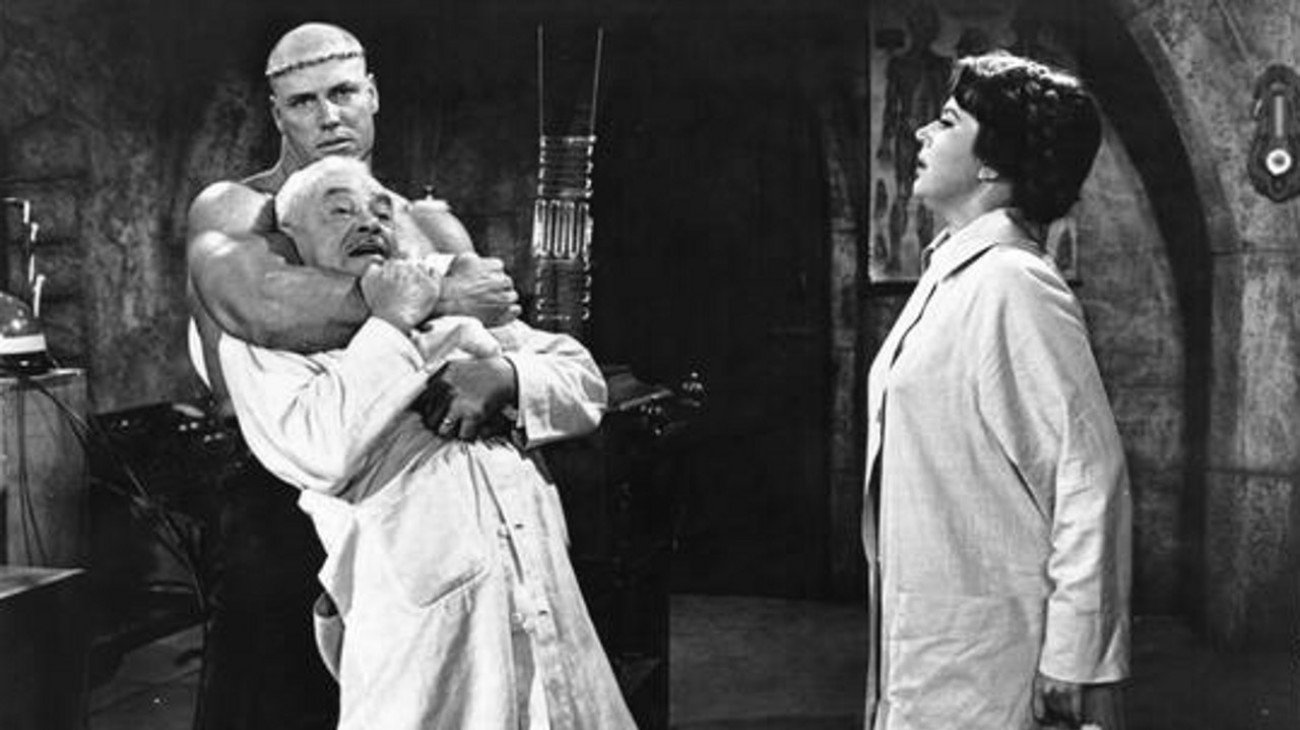
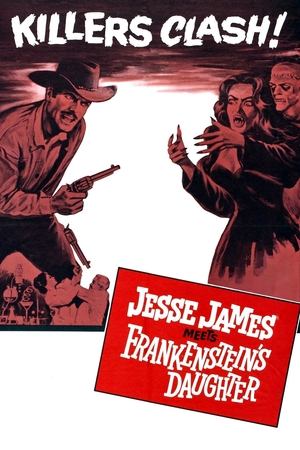


Dr. Frankenstein's Granddaughter Maria, and her brother assistant Rudolph, moved to the old west because the lightning storms there are more frequent and intense, which allows them to work on the experiments of their grandfather. But the experiments are failing and Rudolph's been secretly killing the corpses afterwards. Meanwhile, the Lopez family leaves the town because of the evil going on there
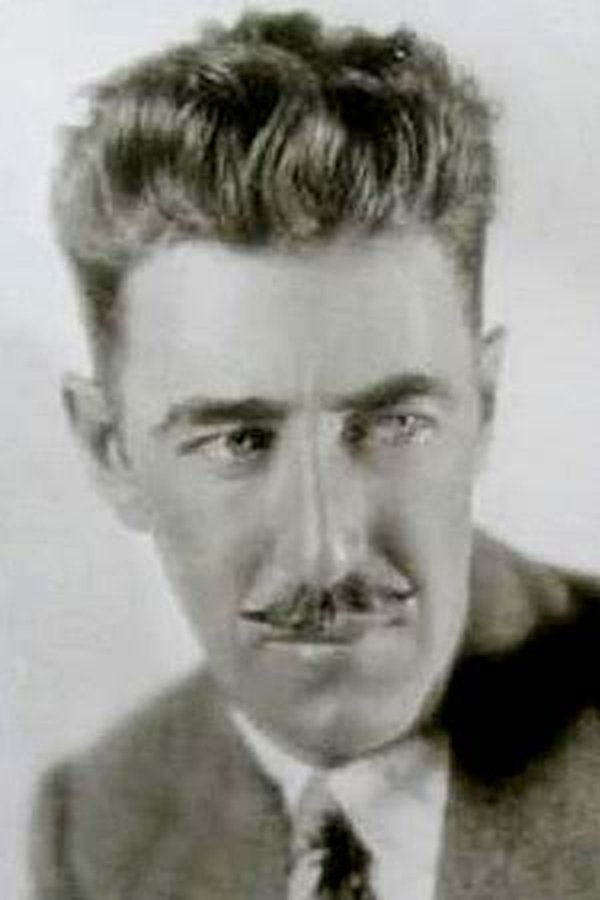
William Beaudine
Director

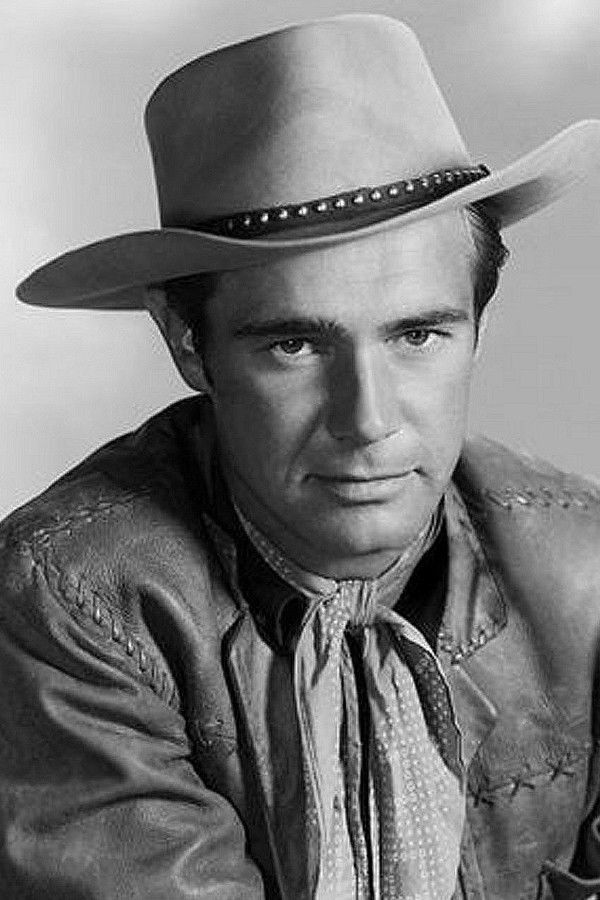
John Lupton
Jesse James
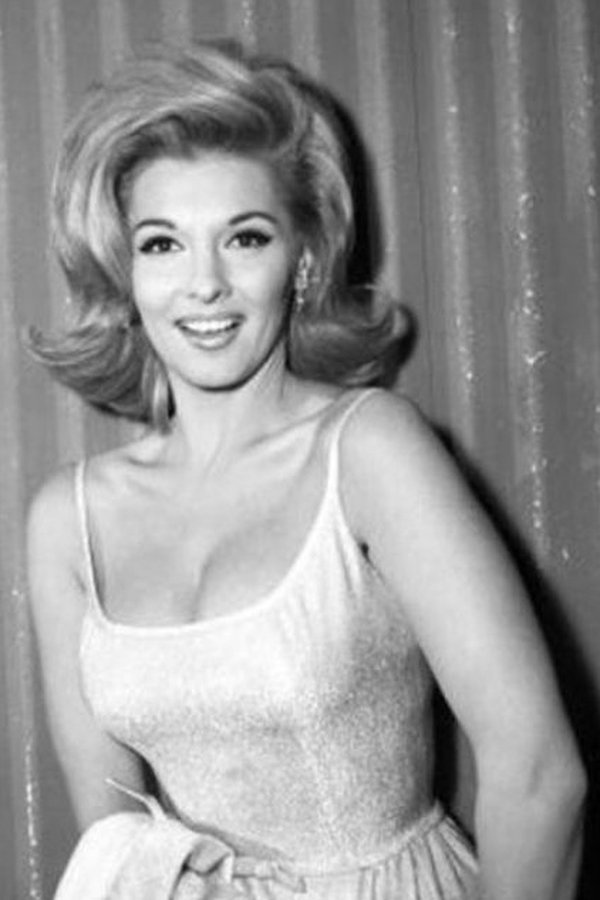
Narda Onyx
Dr. Maria Frankenstein

Estelita Rodriguez
Juanita Lopez
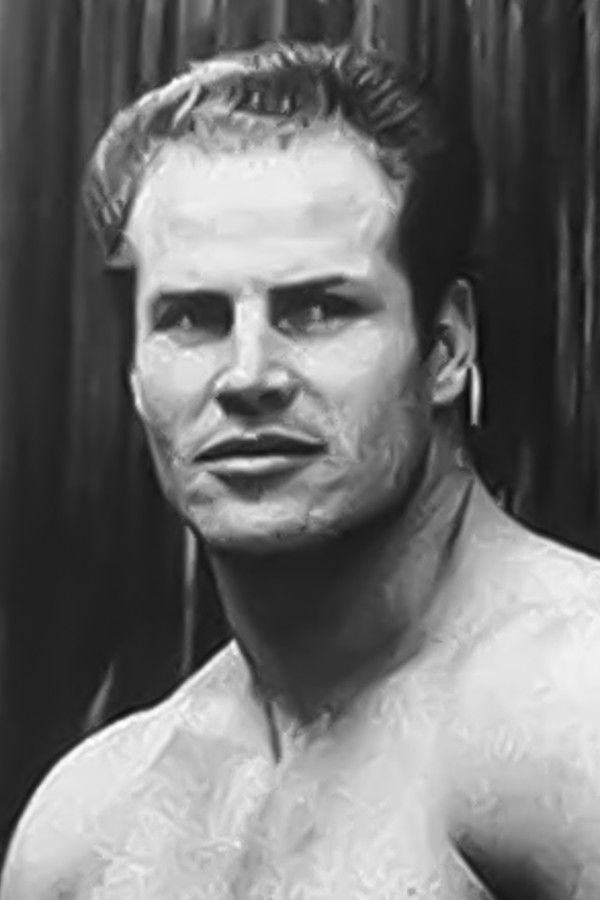
Cal Bolder
Hank Tracy / Igor

Jim Davis
Marshal MacPhee
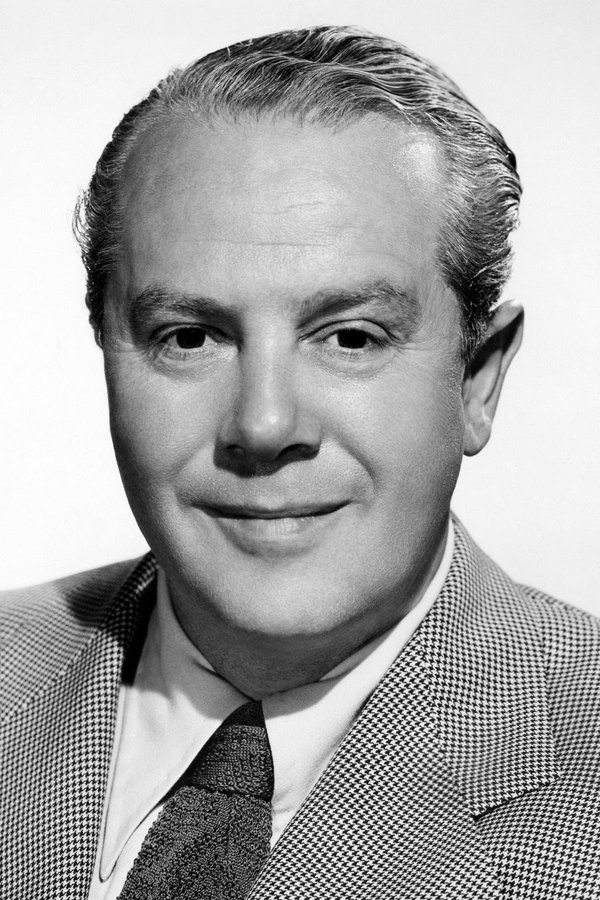
Steven Geray
Dr. Rudolf Frankenstein

Rayford Barnes
Lonny Curry

William Fawcett
Jensen

Nestor Paiva
Saloon Owner
Roger Creed
Butch Curry
Felipe Turich
Manuel Lopez
John Fawcett’s "Ginger Snaps" intertwines the lore of the werewolf to the hellish experience of a young girl going through puberty.
Star Wars is better if you believe that Luke Skywalker is gay. You can't change my mind.
... La huesera haunts her daily life, leaving people to question her viability as a mother, and Valeria’s lack of satisfaction with her life leave her asking similar questions. These misgivings reach their peak after the baby is born, when Valeria, visibly in a state akin to possession, locks her in the fridge when she won’t stop crying through the night
An animated reboot based on the book of the same name, with differences from the live-action movie of the same name.
When a powerful church leader is found dead, Benoit Blanc enters a tight-knit community where everyone has secrets, but not everyone is fully developed.
Sorry to Bother You ultimately speaks to the unfair advantages that the country’s power structures award to those with the resources to control others, as Lift’s easy access to the media allows his opinion to be the only one that matters in the eyes of the unsuspecting and easily impressed public. Moreover, it reveals the extent to which the American Dream has any true validity. It postulates how the promise of success and fulfillment as promoted by the American Dream more often than not leads to the undoing of the individual. Interestingly, in its revealing of the American Dream as merely a facade, Sorry to Bother You wisely questions whether or not anything can really be done to undo a system that has been accepted and in action for centuries.