




The Batman: Every Fan's Fantasy But Not A Masterpiece
The Batman (2022): Every Fan's Fantasy But Not A Masterpiece, As a superhero nerd and a childhood fan of Batman, the film is like a dream come true. Check out movie review, summary & movieplot

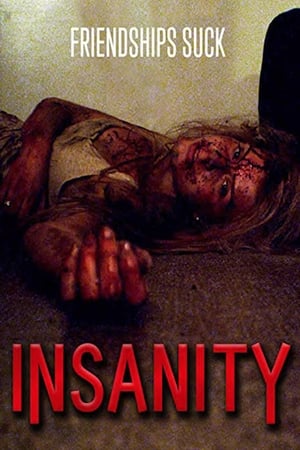


A group of twenty somethings meet after a long time, and head to an island for a getaway, class reunion, and a night of partying. During the fateful evening the past begins to haunt them and old grudges from their shared past come to surface. As the night turns awry, they start to fear there might also be something else on the island besides them. During one bloody night old scores are settled, everything is brought to the surface, and revenge is had.
The Batman (2022): Every Fan's Fantasy But Not A Masterpiece, As a superhero nerd and a childhood fan of Batman, the film is like a dream come true. Check out movie review, summary & movieplot
An animated short film that never gets old, especially with iconic characters from the Disney series.
A lot of us are emotionally impacted by the current pandemic. So, while we’re all stuck here in our homes, it’s great to put on a movie to ease the stress. With that, I made up a small list of some of my favorite feel-good movies.
The live-action remake brings adventure and shows viewers why representation is important in a Disney Princess movie.
The more biting satire is reserved for those on top of the power structure, such as the police, while those occupying lower levels are given more nuance and likability, even if they operate on the wrong side of the law. This principle gives Deep Cover its heart.
Trolls: World Tour doesn’t just pay lip service to diversity and inclusiveness. There is no white-washing of the voice actors. From the actual K-Pop group Red Velvet voicing the K-Pop Troll bounty hunters to Keenan Thompson playing the Tiny Diamond baby to Kunal Nayyar’s Guy Diamond, the cast includes more than just token minorities.