Reflecting on 'The United States vs. Billie Holiday'
Lee Daniels’s Billie Holiday biopic The United States vs. Billie Holiday was released on February 26th, 2021, and my immediate reaction to it was one of discomfort.



The main protagonists of the film are Katya (Varvara Popova), the daughter of a factory worker and Andrey (Ivan Koval-Samborsky), the son of the former owner of the factory who illegally returns to the USSR to find treasures hidden by his father. The film title refers to the Communist party's appeal, after Lenin's death, to enlarge its membership.

Yakov Protazanov
Director

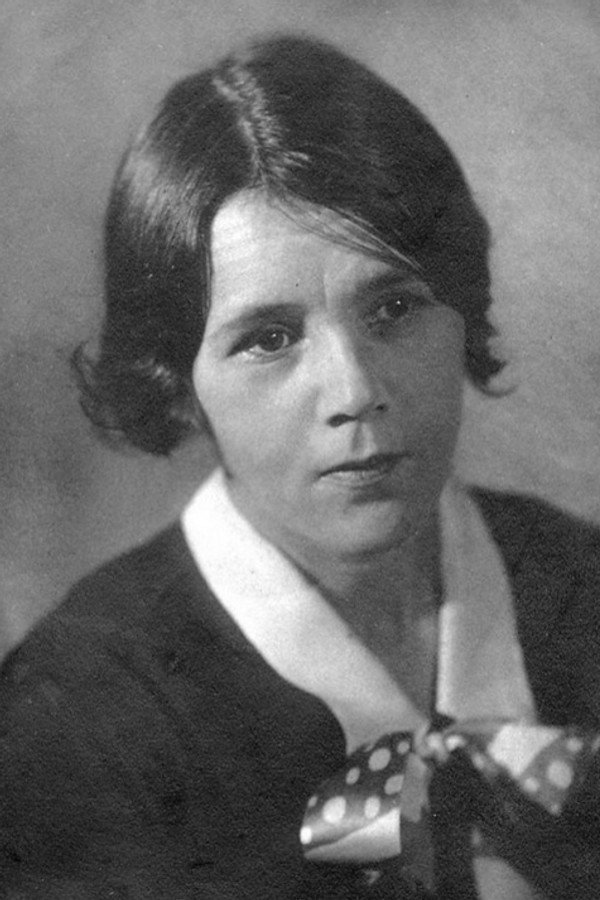
Varvara Popova
Katya Sushkova
Natasha Konyus
Katya in the childhood
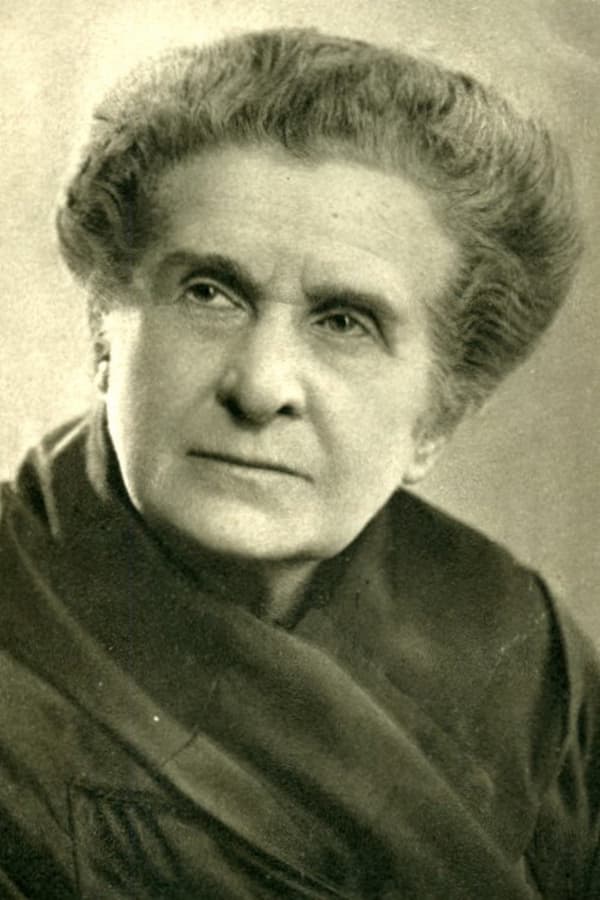
Mariya Blyumental-Tamarina
Katya's grandmother

Ivan Koval-Samborskiy
Andrey, factory worker
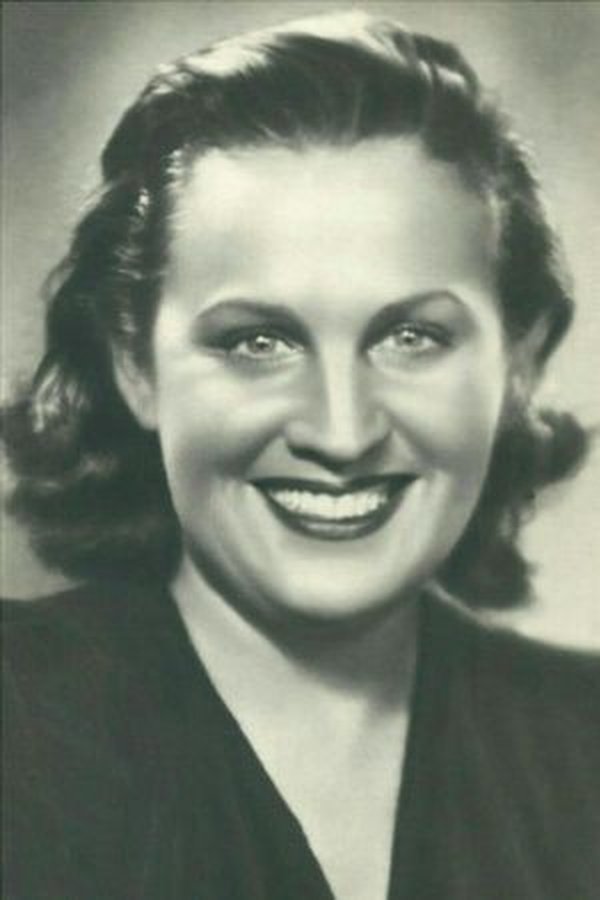
Olga Zhizneva
Lulu

Anatoli Ktorov
Vladimir Zaglobin, cynical emigrant
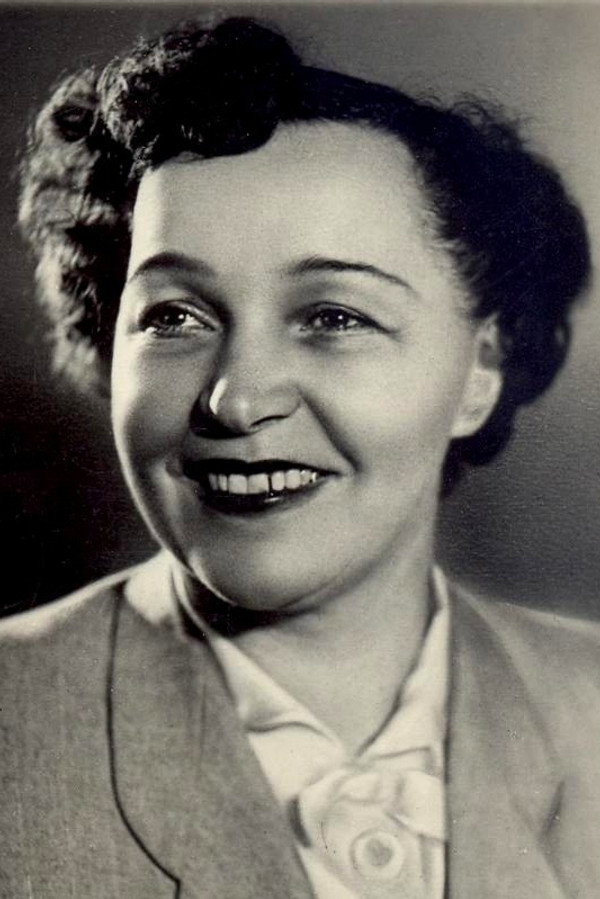
Vera Maretskaya
Varya

Alexander Geirot
Candidate for the throne
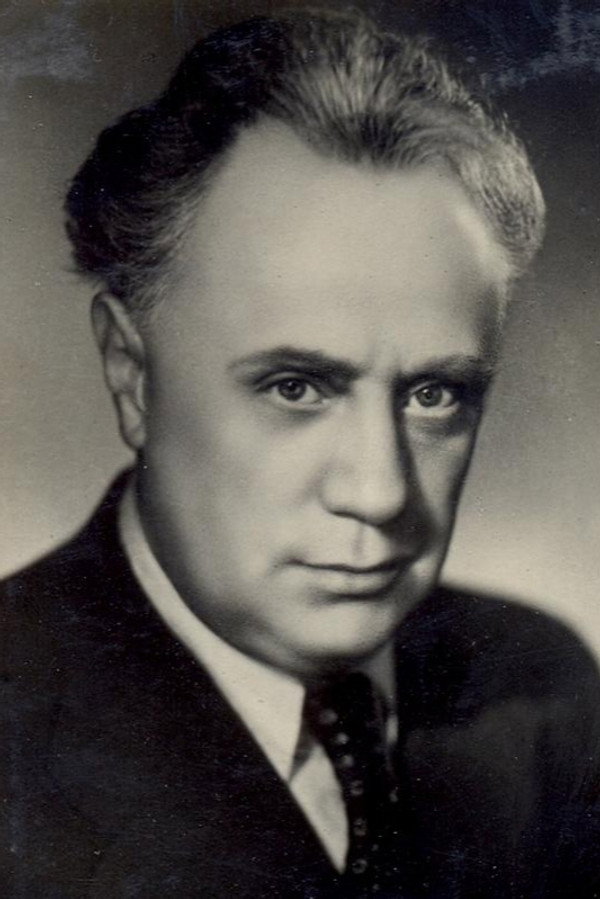
Mikhail Zharov
Factory worker
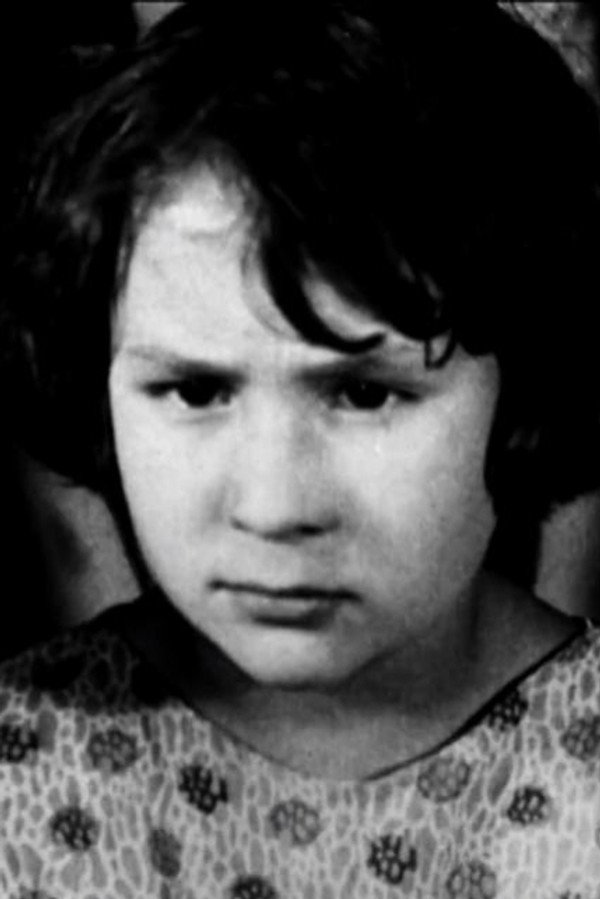
Tatyana Mukhina
Little girl

Nikolai Prozorovsky
Factory worker
Lee Daniels’s Billie Holiday biopic The United States vs. Billie Holiday was released on February 26th, 2021, and my immediate reaction to it was one of discomfort.
Lucifer is a show with both comedy and drama, but most importantly, has charm. Well aware it’s following a silly premise, the show does so in a way that’s entertaining. Sure, sometimes it can be cheesy, but fun cheese.
Featured in Incluvie’s 2020 Film Festival, Kung Fu Chit tells the story of a girl who doesn’t quite fit in.
If your upbringing was anything like mine, where the TV acted as an additional parent- there are so many new stories and perspectives to explore.
Animation as a medium of storytelling can be thought to be open to all ages and as I hope my reading will reveal, 'Nimona' could be interpreted as a transgender story.
This documentary moves chronologically through Black representation in horror films, revealing the genre's connections to Black history.