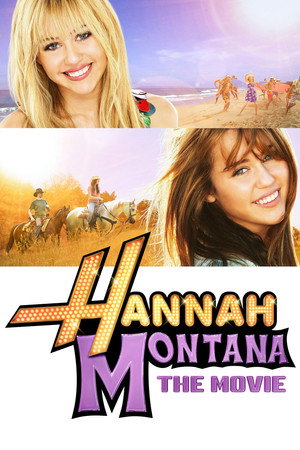
Hannah Montana: the Movie is based on the Disney Channel TV series
Hannah Montana, a show starring Miley Cyrus and Billy Ray Cyrus, a father-and-daughter team from Tennessee. The movie and the TV series are connected to each other, as both focus on the main story line of Miley as she navigates life with an alter-ego, the famous popstar, Hannah Montana.
Though no stranger to challenges, Miley Cyrus makes the most difficult choice of her life in
Hannah Montana: The Movie. She has adjusted to tapping into "The Best of Both Worlds"--an average school girl and a celebrity--but now has to choose just one over the other.
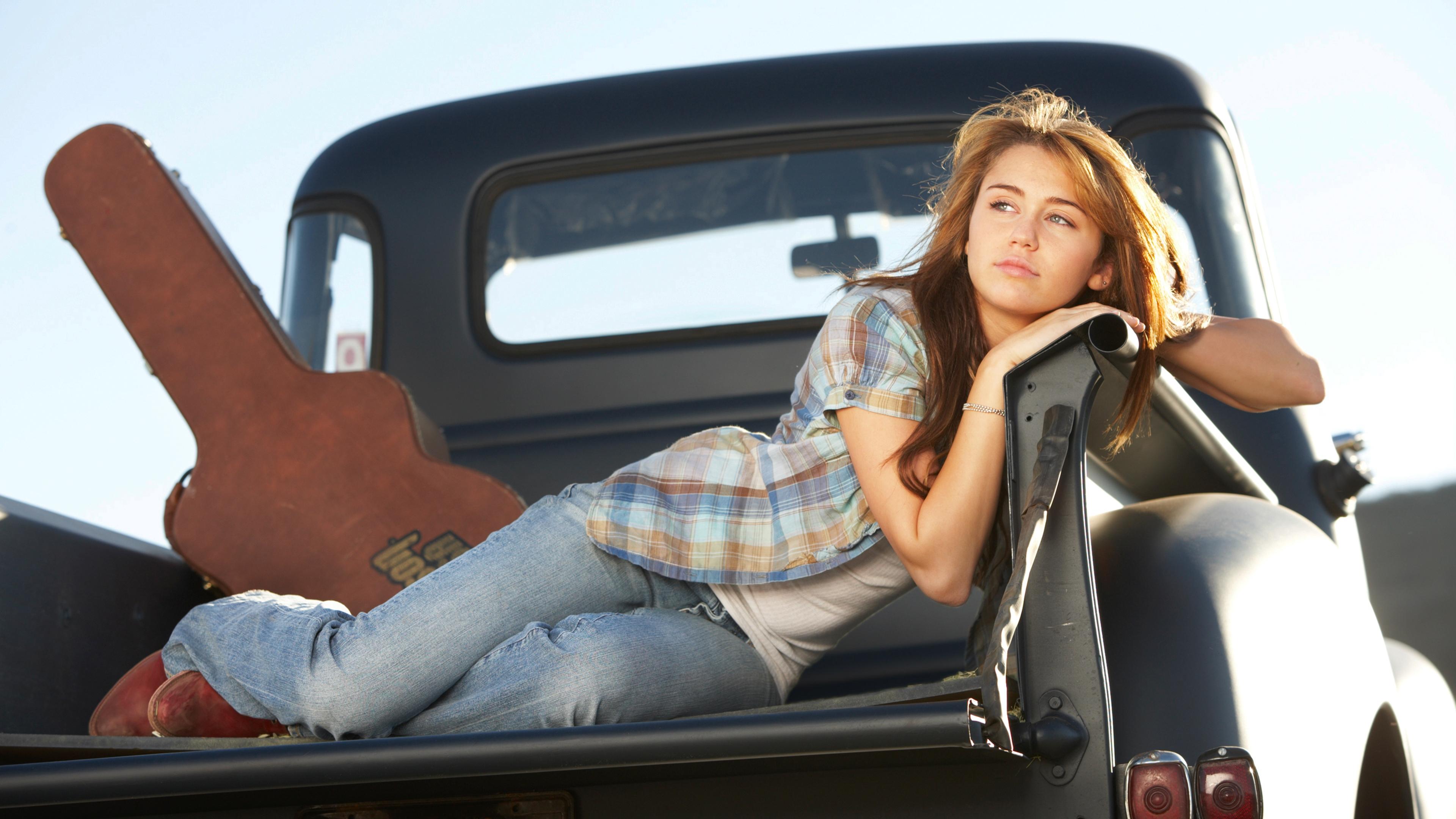
When Miley is forced to spend two weeks in her hometown, located on a farm in Tennessee, for her grandmother's birthday, she soon discovers what's been missing from her lavish lifestyle. The film adds a personal touch: the farm featured is based on the one Miley grew up on Franklin, Tennessee. The viewers learn small but endearing details, like that she spent most of her time riding horses in the countryside. Her father, Billy Ray Cyrus, was a famous country singer at the time, setting Miley apart from many other teenagers in rural Tennessee. Miley Cyrus's character, Miley Stewart, recognizes her old pet horse called "Blue Jeans" when she returns to her old stomping grounds. This lovable creature symbolizes a country lifestyle that Miley has grown fond of.
Miley's childhood also involved braiding her pet horses' tails and learning horseback riding. In one moving scene, all of the Miley's family members gather around Grandma Ruby to celebrate her birthday, viewers can distinguish between two music genres: pop and country. Billy Ray Cyrus's character, Robbie, is seen wearing a cowboy hat playing an acoustic guitar, a perfect contrast to the glitzy persona of Hannah Montana.
In Miley's childhood bedroom, she sees a photograph of Grandma Ruby and herself as a little girl, smiling and holding onto her pet bunny. The photograph symbolizes the family-centered lifestyle she enjoyed before she moved to Malibu, California. Miley was basically your average kid, spending time with siblings and her pets and even singing with her daddy.
The main theme of struggling with one's identity while wanting to be somebody else is illustrated in many scenes throughout the movie. The BonChic magazine cover and the USA Today newspaper headlines covering Hannah Montana's fight with Tyra Banks is a symbol of keeping up with a hectic celebrity life, especially when meeting other famous figures. Miley isn't aware that there are journalists working for the tabloids determined to uncover her biggest secret, which could flip her world upside down.
Miley's dad isn't happy with Miley's recent actions while she's disguised as Hannah. This concern is also symbolic of the conflict of switching between two identities: working as a celebrity among paparazzi can interfere with spending time with friends and family. Some celebrities can also become selfish when they go after all of the opportunities that come with being famous: living in a mansion, having lots of fans, and earning loads of money. However, the reality of celebrity life comes with a price.
Like most people in her life, Miley's childhood friend, Travis, is unaware that she's Hannah Montana. She's able to guard her secret well because Miley and Hannah are completely different from and independent of each other. The blonde wig Miley wears symbolizes her ability to keep her double-life a secret. After being caught by Travis while switching disguises, Miley realizes that being Hannah isn't as easy and glamorous as she thought it was.
Hannah Montana: the Movie