Eye Myth (1967)
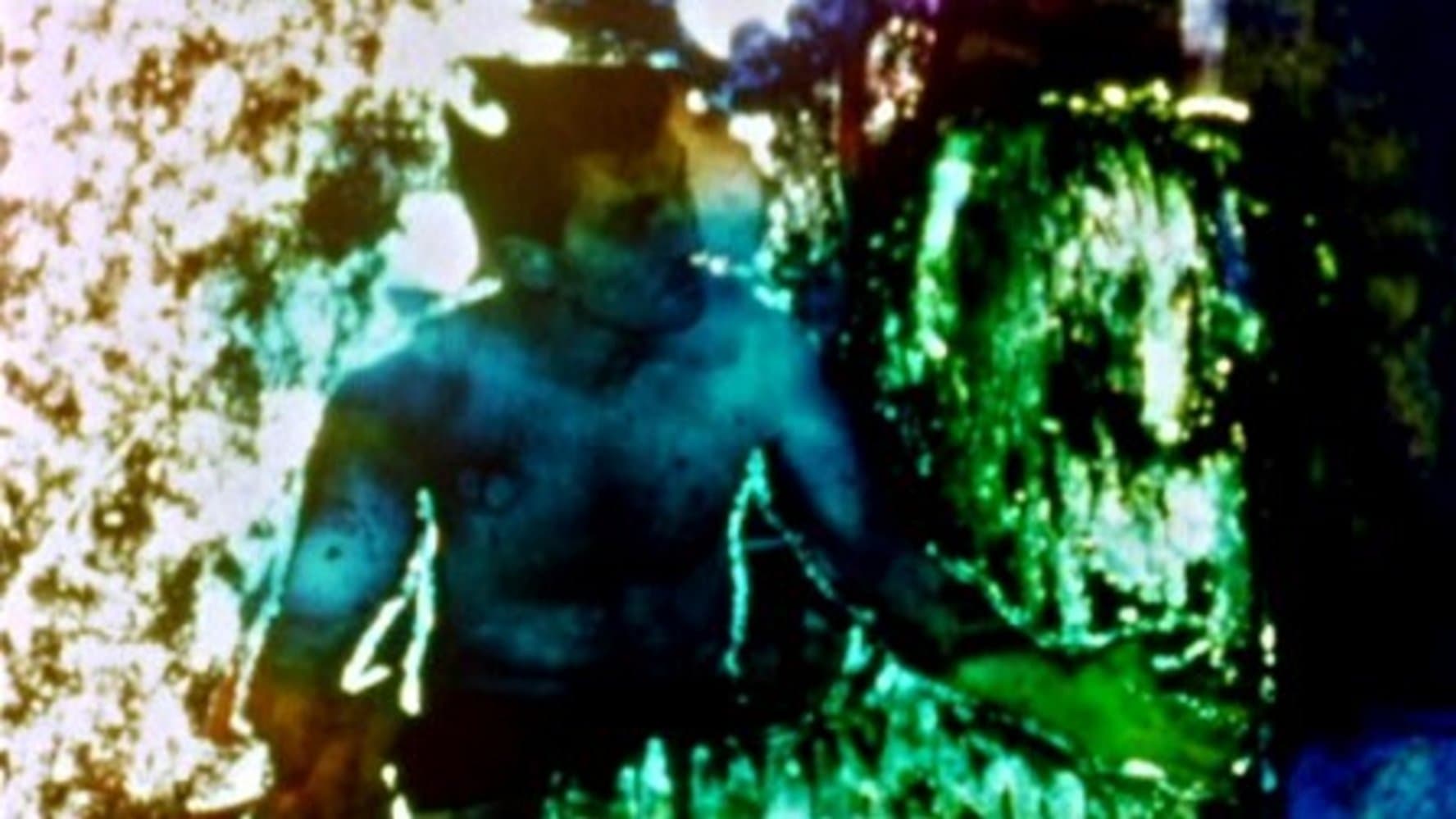
After the title, a white screen gives way to a series of frames suggestive of abstract art, usually with one or two colors dominating and rapid change in the images. Two figures emerge from this jungle of color: the first, a shirtless man, appears twice, coming into focus, then disappearing behind the bursts and patterns of color, then reappearing; the second figure appears later, in the right foreground. This figure suggests someone older, someone of substance. The myth? Preserved by the Academy Film Archive in 2012.

- / 5
PopScore
Representation
Pictures and Videos

Movie Information
After the title, a white screen gives way to a series of frames suggestive of abstract art, usually with one or two colors dominating and rapid change in the images. Two figures emerge from this jungle of color: the first, a shirtless man, appears twice, coming into focus, then disappearing behind the bursts and patterns of color, then reappearing; the second figure appears later, in the right foreground. This figure suggests someone older, someone of substance. The myth? Preserved by the Academy Film Archive in 2012.
Rating:
Genre:Animation
Written By:
In Theaters:8/28/1967
Box Office:
Runtime:1 minutes
Studio:
Cast


Articles You May Like
Short Film Review “Take Me Home” Cognitive disability and the power of simply wishing to move forward on full display with stirring, awareness-raising soul
The power to function. As people, we are richly blessed to have the wide ranging scope of what we can accomplish…physically and mentally…that aid in everything we desire to strive for and, ideally, accomplish. However, what if someone was experiencing daily life with these elements….only in a more muted manner?
"Small Talk": An Incluvie Film Festival Review
The most impressive aspect of this film is the honest and natural performances given by the on-screen duo.
“By Any Means” and the Pitfalls of Entertainment
It is up to the community to decide if this film is a force for enlightenment or not.
'The Hand of God': Authentic Memory or Cliché Love Letter?
“To be universal, you have to get specific”: while the film does not attempt to provoke discussions about queerness or race, those watching closely may find something resonant in Sorrentino’s love letter to the Naples of his youth.
'Luca' is No Classic, But a Worthy Celebration of Acceptance and Italy
When you don’t factor in the plethora of inferior sequels that have been produced, Luca is one of Pixar’s simplest and most unassuming films in years — and there is absolutely nothing wrong with that. The film thrives on being a visual feast with a warm message for all ages, so much so that its unoriginal storyline doesn’t feel that big of a problem.