




Once Upon a Time in (White) Hollywood
Tarantino's alternative history of the 1960's uncritically repeats the era's sexist and racist stereotypes.
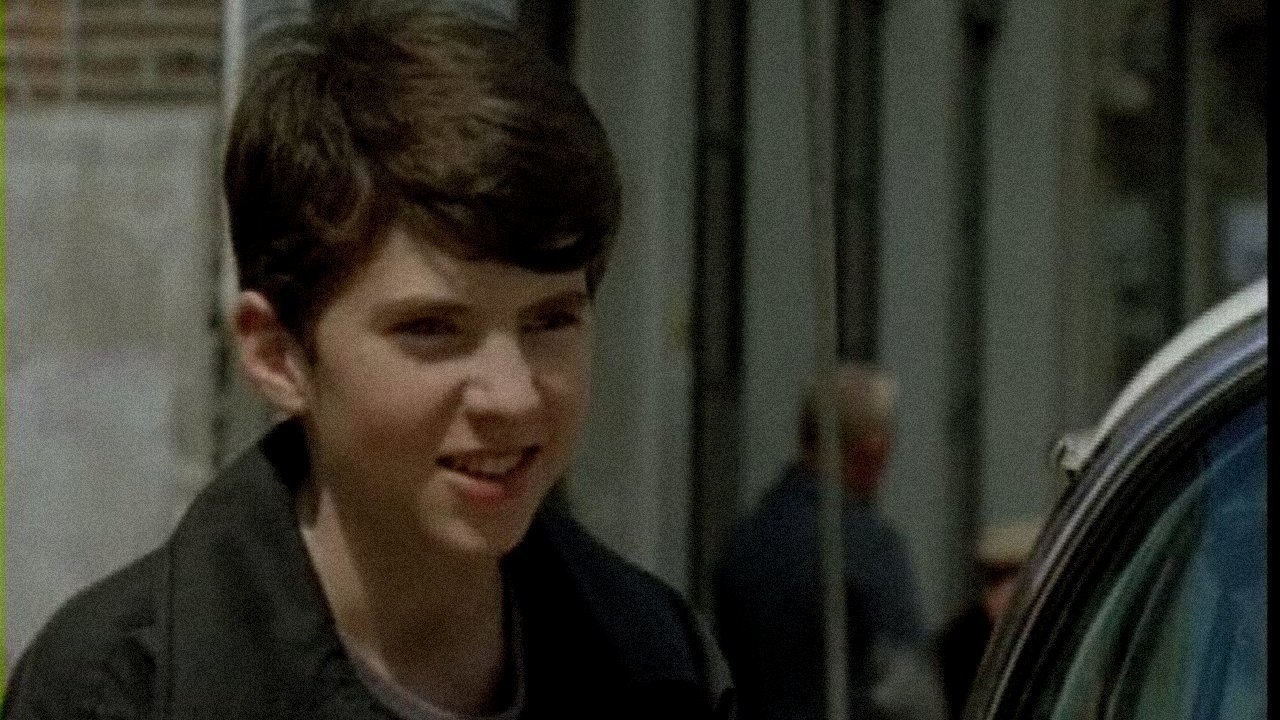
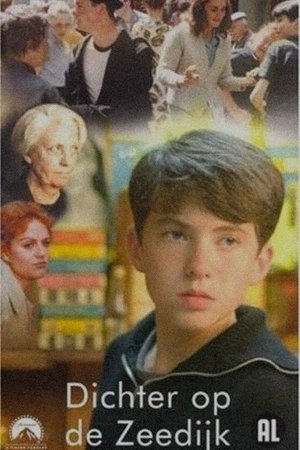


Constant Wegman (Benja Bruijning), a 14 year old boy, raised by his grandmother (Carry Tefsen) in Zeedijk, Amsterdam. She is the owner of a cafe-hotel “De Rode Laars” (“The Red Boots”). The dreaming Constant runs away from this world of drunkards, gamblers, fighters by writing poems. His grandmother wants him to take control of the cafe. Then Constant secretly subscribes to a national poem writing competition: a new Vondel is born!
Tarantino's alternative history of the 1960's uncritically repeats the era's sexist and racist stereotypes.
It was always people for Joe, and he ultimately found them at the end of a long, painful, yet illuminating quest for self-discovery outside of one, confident constant - his bisexuality.
An action-packed adrenaline rush with a diverse cast that delivers evocative storytelling.
A recent look at gender and racial diversity in film shows some signs of progress. However, white men still make up the vast majority of actors and directors in top-grossing films.
The film reminds us to remember the people who had the courage and dignity that had made the world better, even when the memory was absent.
When you think of the horror genre, the LGBTQ+ community is probably one of the last things you think of. However, horror is much more queer-coded than you may think.