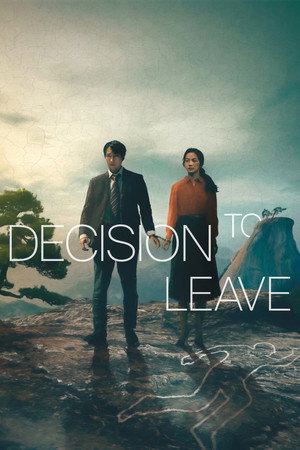
After The Handmaiden and the spectacular Decision to Leave, Park Chan-wook's new feature diverts from romance and turns to the cruel obsolescence of human labor under the evolution of machines. However, the role of romance still has an important presence in the film. The main character, Man-su, played by Lee Byung-hun, had worked in papermaking for decades, living a comfortable middle-class life with his wife, two children, and two dogs. After an unexpected layoff, Man-su was unable to find another job in the industry, and the whole family went through a financial and emotional crisis. After identifying the only suitable position in another company, he decided to take extreme measures: eliminate the original occupier, Seon-chul, of that position and other qualified candidates, Beom-mo and Si-jo.
The crisis of the unemployed men is brought forward by the people around them, especially the wives. Alternatively, the role of romance surfaced at the moment of crisis. Man-su’s wife, Mi-ri, encouraged Man-su by reminiscing about the process of them getting together. In the case of Beom-mo, the discussion of his situation between him and his wife, A-ra, and A-ra’s encouragement also evolved the story of them first meeting each other. Affected by how Beom-mo dealt with laying off, A-ra cheated on him. Man-su suspected his wife’ infidelity; Mi-ri suspected her husband’s strange routine and involvement in the disappearance of Beom-mo and Si-jo. The trust between them started to shake. During Man-su’s attempt to murder Beom-mo, A-ra impulsively pulled the trigger and eventually killed Beom-mo. Seon-chul’s wife, unwilling to live with Seon-chul in the countryside, also created a better condition for Man-su to make him drunk and capture him alone. The sexual tension appeared several times between different pairs, even when A-ra sucked Man-su’s blood out after he got bitten by a snake. At the end, Man-su’s family members, including children, became accomplices of his crime, helping him by staying silent. Families in this film function in a traditionally ideal East Asian way: men are the breadwinners, signifying the status of the whole family, and women are the bookkeepers and the emotional pillars resiliently pulling the household together at the moment of crisis.