





'Tom & Jerry': A Live-Action Cat-And-Mouse Chase
A cat-and-mouse chase that will make viewers nostalgic for the cartoon series.

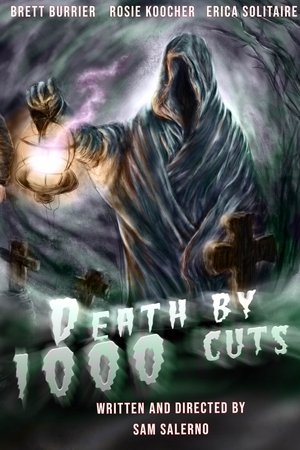


Death by 1000 cuts refers to an ancient method of torture in which numerous small cuts were made on a victim's body. None of the cuts were deadly by themselves, but the combination of them would cause them to die a slow, painful death. In psychology, it refers to small issues that are overlooked until they add up to something too big to ignore. Sometimes I question which version of the phrase is worse.
A cat-and-mouse chase that will make viewers nostalgic for the cartoon series.
For a troubled teen, Will discovers what is important in life when he attends a summer camp: the people who care about his well being.
In the spirit of Halloween, here's a list of body horror films which can be interpreted as trans allegories.
The Forge is a moving story about a young man’s search for purpose. Through mentorship, discipline, and faith in God, his life is transformed from confusion into clarity, reminding us that true greatness is shaped in the fire of surrender and growth.
If you're missing the freedom of travel, explore the world via these international films that put their gorgeous settings in the spotlight.
Throughout Brendan Fraser’s career, he has played a plethora of unique, layered characters who explore the importance of not being afraid to display your emotions, something that is often seen to not be a masculine trait. This idea of regulating emotion and what traits men are able to possess creates a toxic atmosphere for men who are often told they should not cry or represent their emotions in any physical way. These characters represent that men can be joyful, emotionally conscious, and sensitive, while also representing their masculine identity instead of painting those qualities as fighting against their masculinity.