A Personal Experience of Representation - The Intersection of Armenian Culture & Epilepsy
I am an Armenian who has a mild form of epilepsy. I rarely see Armenian culture and epilepsy properly portrayed in film or TV. I delve into the how and why.
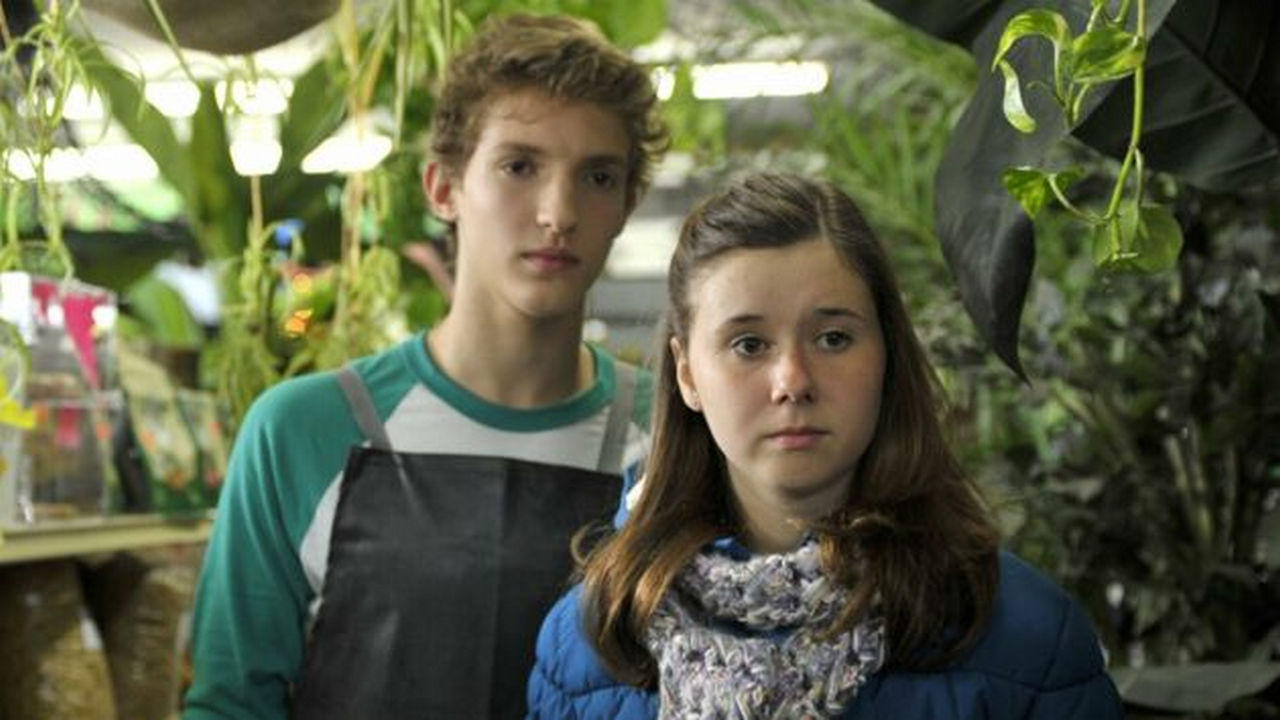
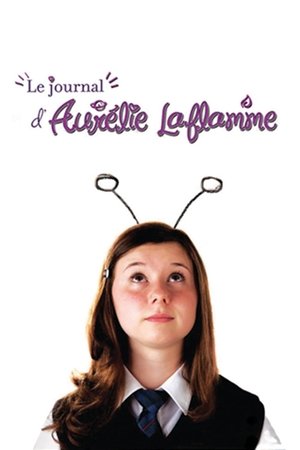


Aurelie Laflamme feels alone in the world, especially since her father's death five years ago. What if her father had been an alien who left Earth to return to his own planet? In that case, Aurelie would be an alien too. That would explain many things such as why she feels different from others, especially her mother, why she can't string two words together without making a mistake, and why boys really get on her nerves. Through the pages of her diary, Aurelie confides her joys and sorrows, successes and failures, love and friendships, and tries to find her place.
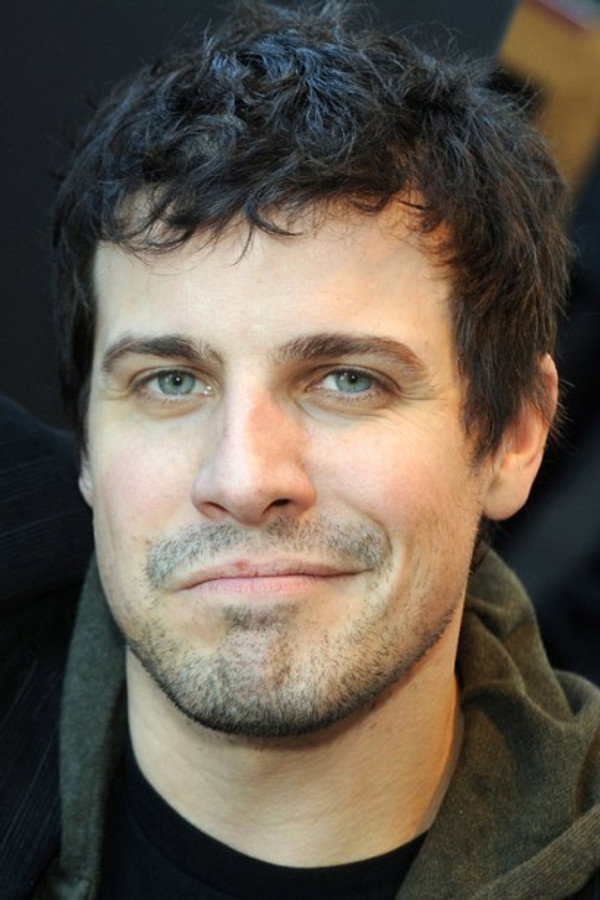
Christian Laurence
Director


Marianne Verville
Aurélie Laflamme
Genevieve Chartrand
Katryne 'Kat' Demers

Aliocha Schneider
Nicolas Dubuc
Jeremie Essiambre
Jean-David 'Truch' Truchon
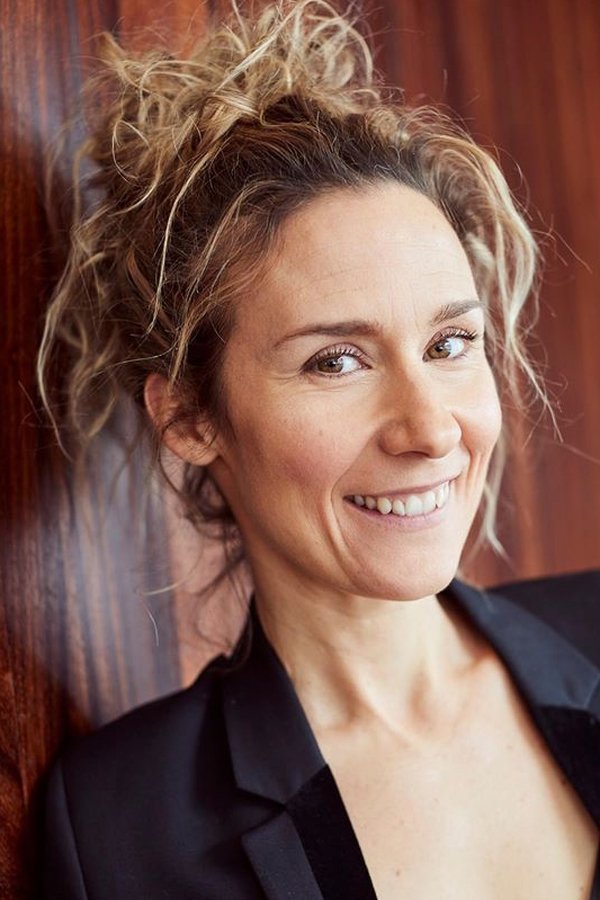
Édith Cochrane
France Charbonneau
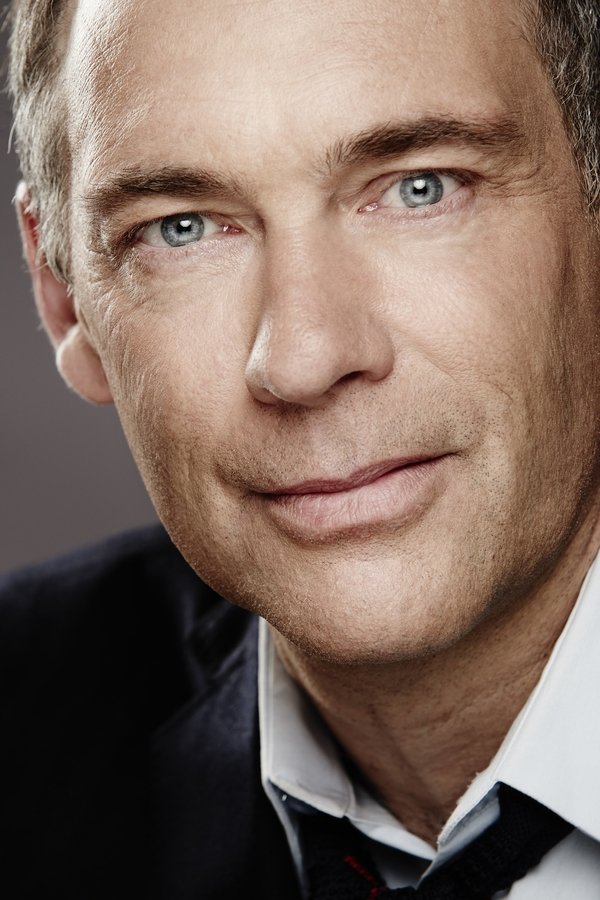
Pierre Gendron
Denis Beaulieu
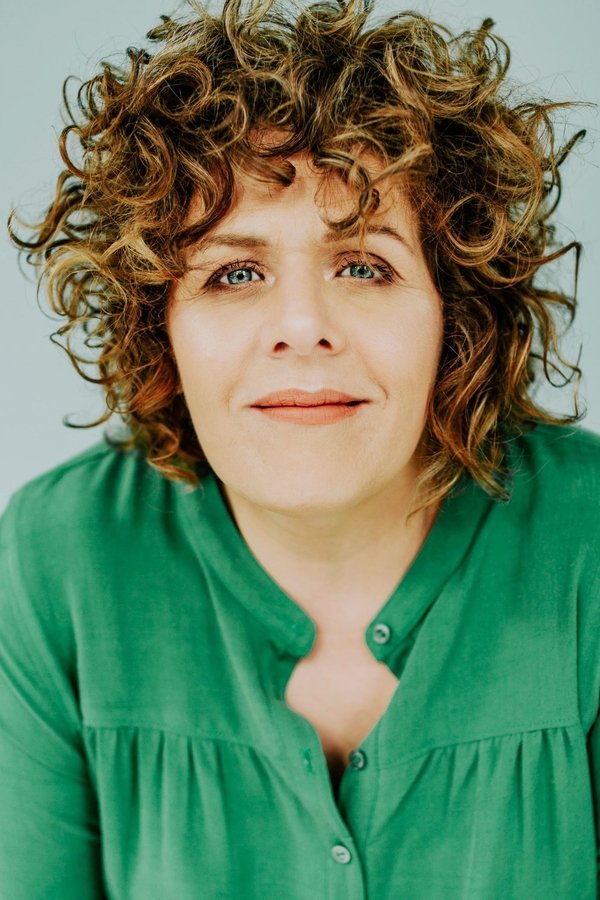
Valérie Blais
Marie-Claude
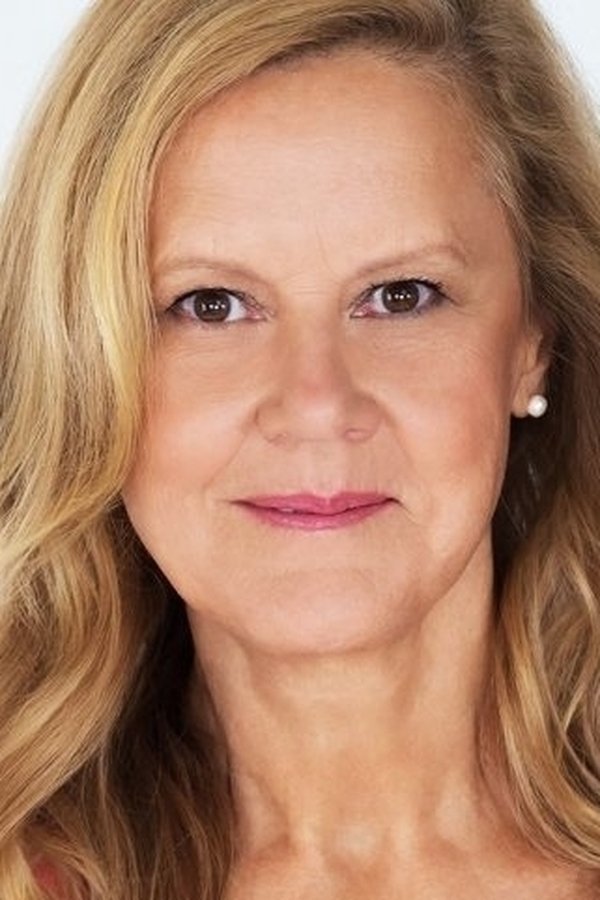
Sylvie Potvin
Soeur Rose
Francine Vézina
Jocelyne Gagnon

Camille Felton
Aurélie (9 ans)
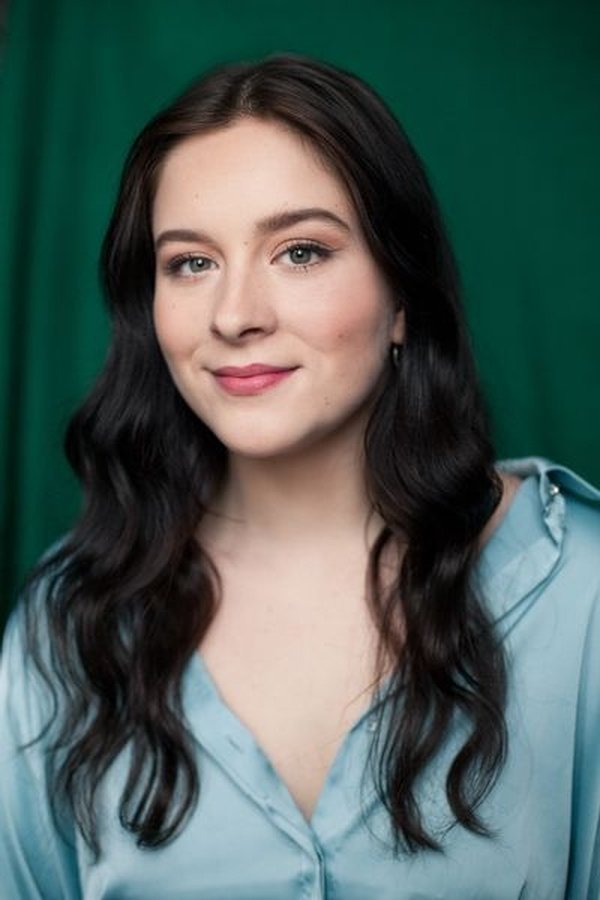
Rose Adam
Julyanne
I am an Armenian who has a mild form of epilepsy. I rarely see Armenian culture and epilepsy properly portrayed in film or TV. I delve into the how and why.
"Rodgers' & Hammerstein's Cinderella" wasn’t just a fairytale, it's a Black girl's fairytale. It was a fantasy world where the undeniable beauty of Black girls and Women was celebrated and beloved.
Films and TV series often tend to misrepresent or not acknowledge bisexual characters, but recent trends show that bi-erasure is now under deserved scrutiny. So, I’m genuinely happy about the direction bi-representation seems to be taking.
Disney has long since had a reputation for creating underwhelming sequels. Is Zootopia 2 any different?
It doesn’t offer an absolute answer for the dialectical ethical questions that emerged in search of justice but portrays the characters as living people beyond the identities of victims.
Disney/Pixar may see a bit of a turning point with Pixar’s new Disney+ Sparkshorts short film: OUT.