


‘Pariah’ Review: An Important and Untold Story of Identity
'Pariah' tells a powerful, mesmerizing, and unflinchingly honest story of identity.
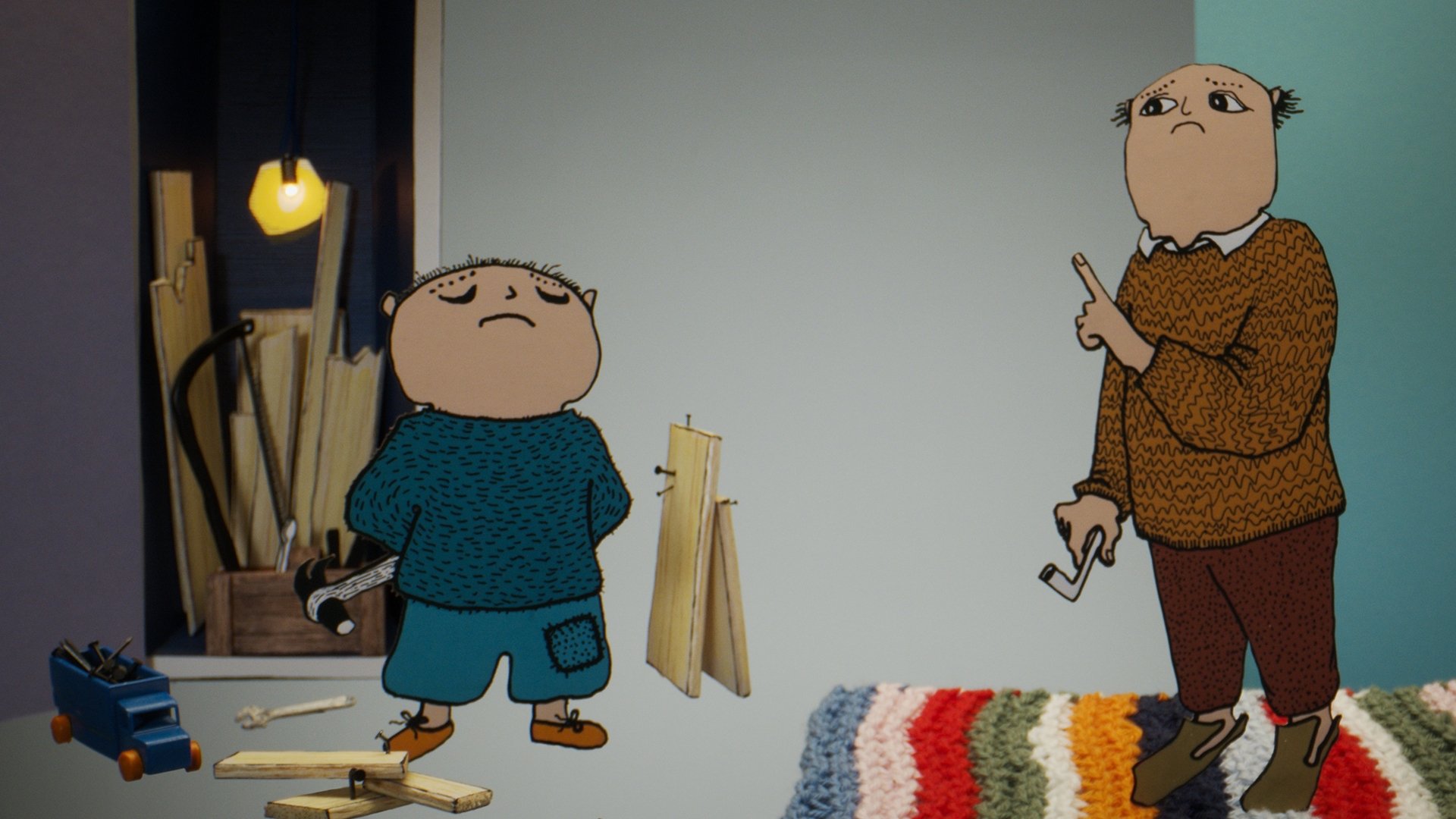
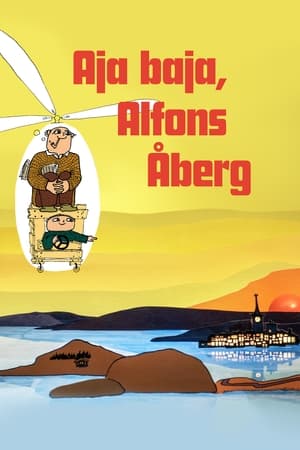


The books about Alfie Atkins have come to life in a brand new film package.
'Pariah' tells a powerful, mesmerizing, and unflinchingly honest story of identity.
There were too many irrelevant parts that could have been shortened, and too many characters that didn't advance the plot. Either way, some things didn't add up. This was just another played out plot with little, if any, originality in it. By the end of the film, I wasn't happy that she finally got her freedom, I was happy that it was finally over.
True crime media is notoriously obsessed with the “missing white woman” trope, and yet the vast majority of American murder victims are male, and well over half are people of color.
Dracula evolved from a person to a monster and then from a monster to a person.
These confines won’t really encourage you to read the film as a metaphor for the nerve-inducing experience we’ve all been through over the last year, however — and in the interest of maintaining your dignity, you probably shouldn’t. While the sociopolitical commentary may have worked for the similarly-themed Buried (2010), in which we find Ryan Reynolds on his own buried alive in the Middle East, but this futuristic take on the premise is best left as a piece of distracting entertainment. Nevertheless, the atmosphere is no less suffocating, literally and dramatically.
Friendships are tested when two girls have a crush on the popular boy at school.