
‘Fast Color’: A Strikingly Different Take on the Superhero Film - Movie Review
Set in a future dystopian United States in which water is running out, Julia Hart’s Fast Color (2018) is a refreshingly different take on the superhero film.
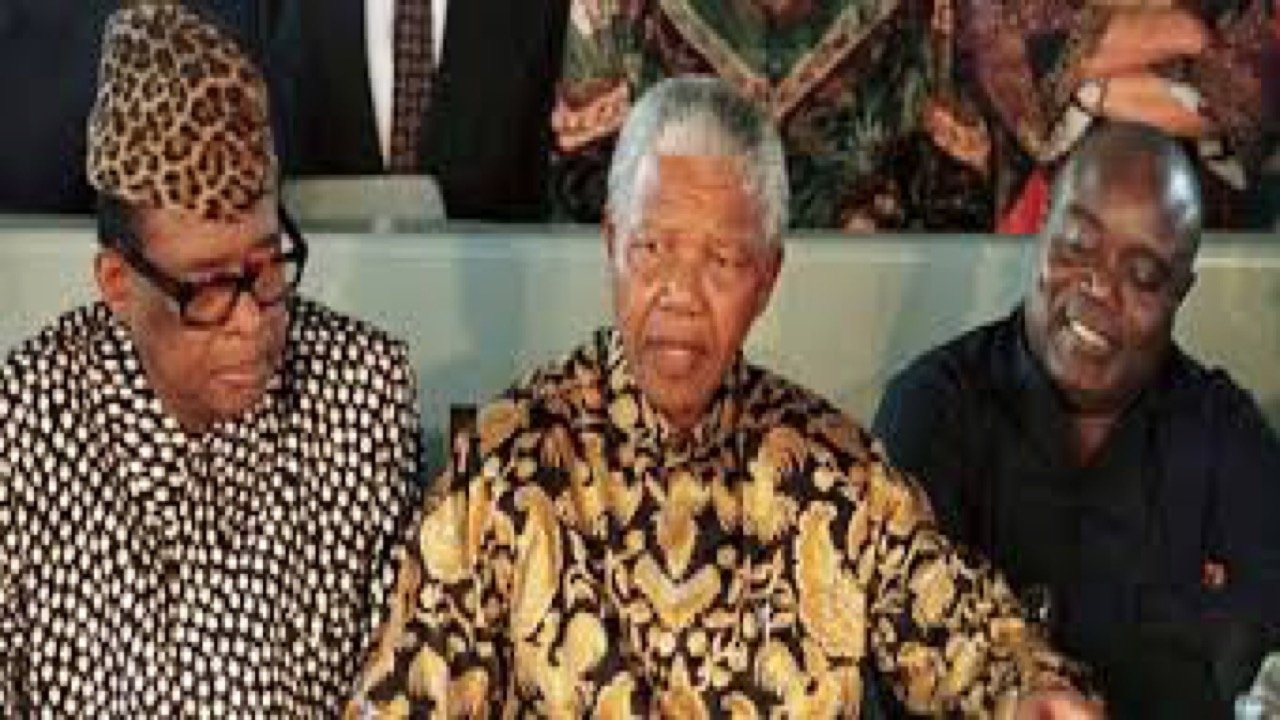



April, 1994. Genocide in Rwanda. 800,000 dead. A catastrophe that upset the balance in the entire region. The Great Lakes region of Africa ended the year with a bloodbath. This documentary shows the intrigues, the dramatic effects, the treasons, the vengeances that prevailed over those years and whose only goal was to maintain or increase each faction’s area of influence. In just ten years, the population saw all their hopes vanish: The dream of an Africa in control of its own destiny, alimentary self-sufficiency, the end of interethnic conflicts
Set in a future dystopian United States in which water is running out, Julia Hart’s Fast Color (2018) is a refreshingly different take on the superhero film.
As an extremely avid fan of DC’s animation, I’ve become familiar with the way the studio uses Batman as a bit of a Trojan Horse to introduce some of their lesser known characters.
The newest Pedro Almodóvar movie, Pain and Glory, focuses on an aging and debilitated filmmaker, Salvador Mallo (played by Antonio Banderas) reflecting on his life in his old age.
After the 2018 surprising hit "A Quiet Place" brought something fresh to the horror genre, the announcement of a sequel may have been disappointing to some. A lot of the time, a sequel to an already successful movie is no where near as good as the original. Yet, John Krasinski once again shows that he's much more than Jim from The Office.
“To be universal, you have to get specific”: while the film does not attempt to provoke discussions about queerness or race, those watching closely may find something resonant in Sorrentino’s love letter to the Naples of his youth.
Dead Poets Society brilliantly combines defeat and optimism, rejection and love, craziness and daring, fear and freedom.