“The Social Reckoning” Fails to Reckon with Society
While this film thinks that it is diagnosing the cause, it is merely diagnosing a symptom instead.



Director Lee Chang-dong’s Possible Love won the Grand Jury Prize at this year’s Venice International Film Festival at a time when South Korean film is exploding in popularity. Films like Parasite, The Host, and No Other Choice chose to balance social commentary with thrills and excitement. This year’s Hope chose to go all-in on the thrills, and Possible Love, serving as an ultimate contrast to that film, chooses to go all-in on the social commentary instead. The result is a behemoth of a film, standing at two hours and forty-seven minutes, which reaches profound questions regarding both societal conflicts and individual drama.
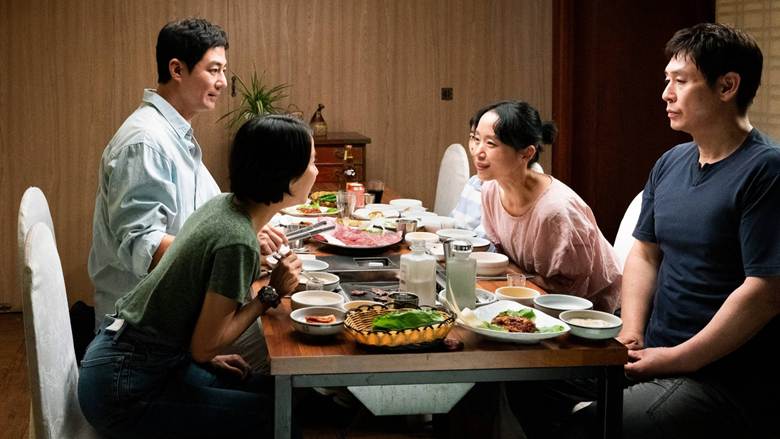
This film does not hold the audience’s hand. It goes for an all-natural approach. There is barely any music, and it feels like there is none at all. The lighting of the film is almost entirely based in natural lighting, whether that be with sunlit outdoor scenes or scenes lit with artificial lights that make sense in the film’s narrative. Cinematographer Kim Ji-yong almost never shows off, instead choosing to capture scenes by conventional methods. The editing is barely noticeable to the inattentive viewer. All of these choices serve to sacrifice inventiveness or colorfulness in order to greatly reduce the need for the suspension of disbelief. This film gives off the impression that the audience is viewing real people in realistic situations, which is especially important given that the film’s plot revolves around the filming of a documentary. While these choices do not make the viewing experience easier, it does enhance that experience.
Possible Love features a stellar cast. All of the main actors have seemingly mastered the craft of performing as if they were angry, rather than angrily. In other words, these characters always seem to be on the verge of breaking into an emotional outburst, but rarely do so. It is almost always easy to tell what the character is thinking without it being said out loud. That is the ultimate fulfillment of “show don’t tell.” In the rare instances where the characters do break into loud, emotional moments, they are very compelling, especially one scene where a character laments his relationship with his fellow union members.
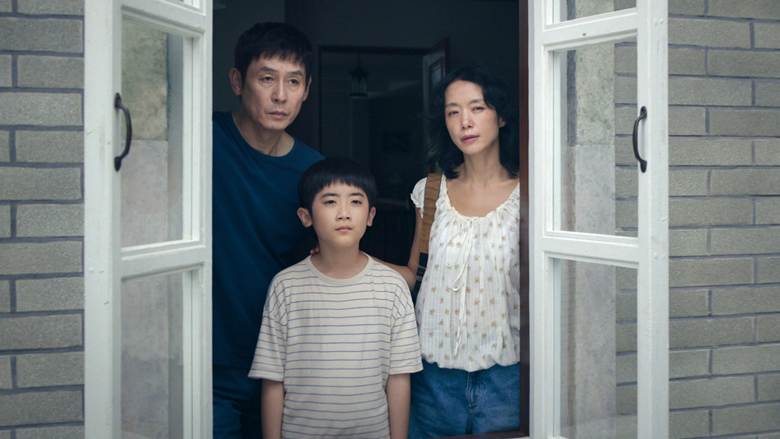
The social commentary in Possible Love is unique. Most films will choose to lay blame solely at the feet of one party in whatever conflict they are commenting on. Other films will choose to paint their issue as complex due to the complexities of those involved, mitigating everyone’s accountability to explain why the conflict is not easily solved. Possible Love seems to not take either approach. Possible Love does paint the central conflict as complicated, and indeed, its characters are convincingly complicated people. But they are also unambiguously at fault. All of them. The issue is complicated precisely because everyone involved is fully accountable. Instead of a conflict between good people who are situationally opposed, almost everyone in the film’s plot has serious flaws. Most of the time, these flaws are not due to malice, but some are, and in any case, the flaws are so serious and originate from a serious blind spot of the character rather than mere circumstance. This approach to these issues successfully balances accountability with complexity, even if it is more angry than compassionate.
Possible Love is not for everyone. It is a huge movie that does not make any attempt to facilitate escapism. But it is guaranteed to find an audience, even bigger than the one it already has, because it is so fascinating. If you’re bored and surprised you haven’t made it halfway through, it might be okay to turn it off. But if you’re curious enough about it, it is worth trying, because you just might find something you believe to be absolutely beautiful.