

EO, More Than Just a Lost Donkey
The human experience is described through the eyes of a marginalized outsider, neither judgmental nor invested, just an observant donkey.
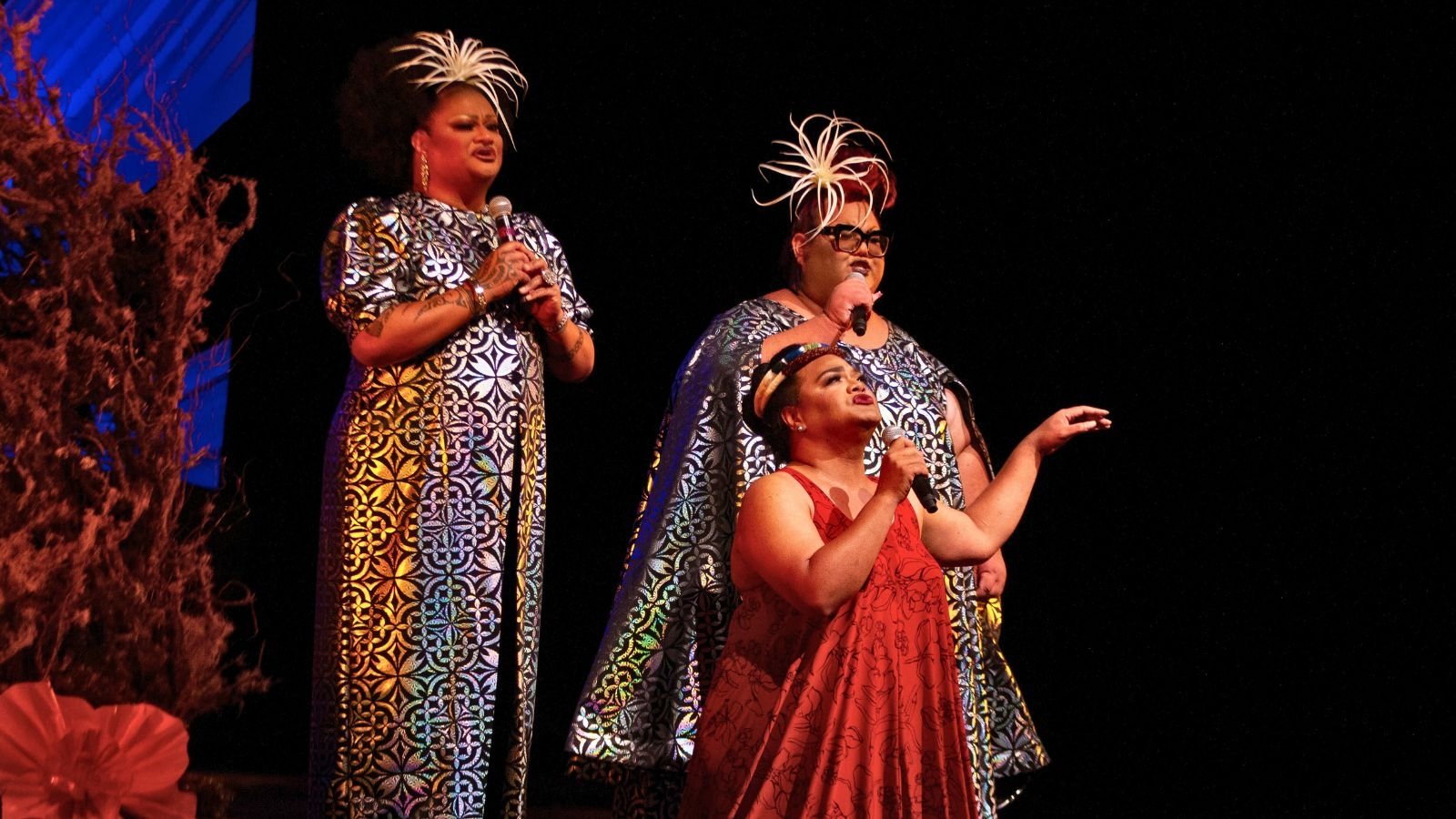



Recently, I was lucky enough to be able to attend a screening of the short film MĀHŪ: A Trans-Pacific Love Story by Lisette Marie Flanary. A documentary about the artists within a hula performance titled MĀHŪ—a performance about Māhū, for Māhū, by Māhū.
The term ‘Māhū’ once meant the state of becoming in a ritual Hawaii context. Originally a nonbinary term for artisans and healers in Hawaiian culture before the arrival of western missionaries in 1820, it is now one of the most controversial terms in all of Hawaiian culture. It is often used in a derogatory manner to refer to transgender folks in Hawaii. The MĀHŪ performance is in a part of an activist push in reclaiming the term for those who are transgender—a plea to the wider Hawaiian community that being transgender is to be human, too. It is a pushback against Western colonization, too—to return to a time before Western rhetoric, back to indigenous culture, to when gender fluidity was accepted and celebrated amongst Native Hawaiian communities.
The film is expressive, it’s raw, it’s heartfelt. There’s a great sense of assimilating within their home community, to go back to the ways of their indigenous culture before they were colonized. Hawaii, to this day, still suffers the effects of this with abundant tourists and these marginalized ideals that came from the outside. To deny Māhū their identity is to deny them of their humanity. They are here, this is who they are, and they will not be shunned. It is a representation of humanity at its purest form.

A documentary that explores the Native Hawaiian concept of gender fluidity by interweaving intimate interviews with a multimedia stage performance featuring hula, chant, and contemporary music. The film centers on the artistic collaborators of the show—all acclaimed Hawaiian transgender artists—offering a powerful reflection on identity, culture, and expression.
The human experience is described through the eyes of a marginalized outsider, neither judgmental nor invested, just an observant donkey.
"Come Play" was entertaining and had some great ideas about how to scare children away from playing with facial recognition settings.
A story about precarious tricks and unstoppable discipline to inspire young viewers. They'll learn that like any dream, achieving Cloud 9 is possible.
This coming-of-age movie is about a group of girl trying to find their missing friend after a wild night none of them can remember.
Eddington attempts to capture how media is intertwined with the uncomfortable present.