



Dead to Me Season 2: Blood Proves to be Just as Hard to Get Out as Red Wine Stains
Dead to Me Season 2 pulls together elements of comedy, drama, romance, and thriller to craft this truly gripping series.
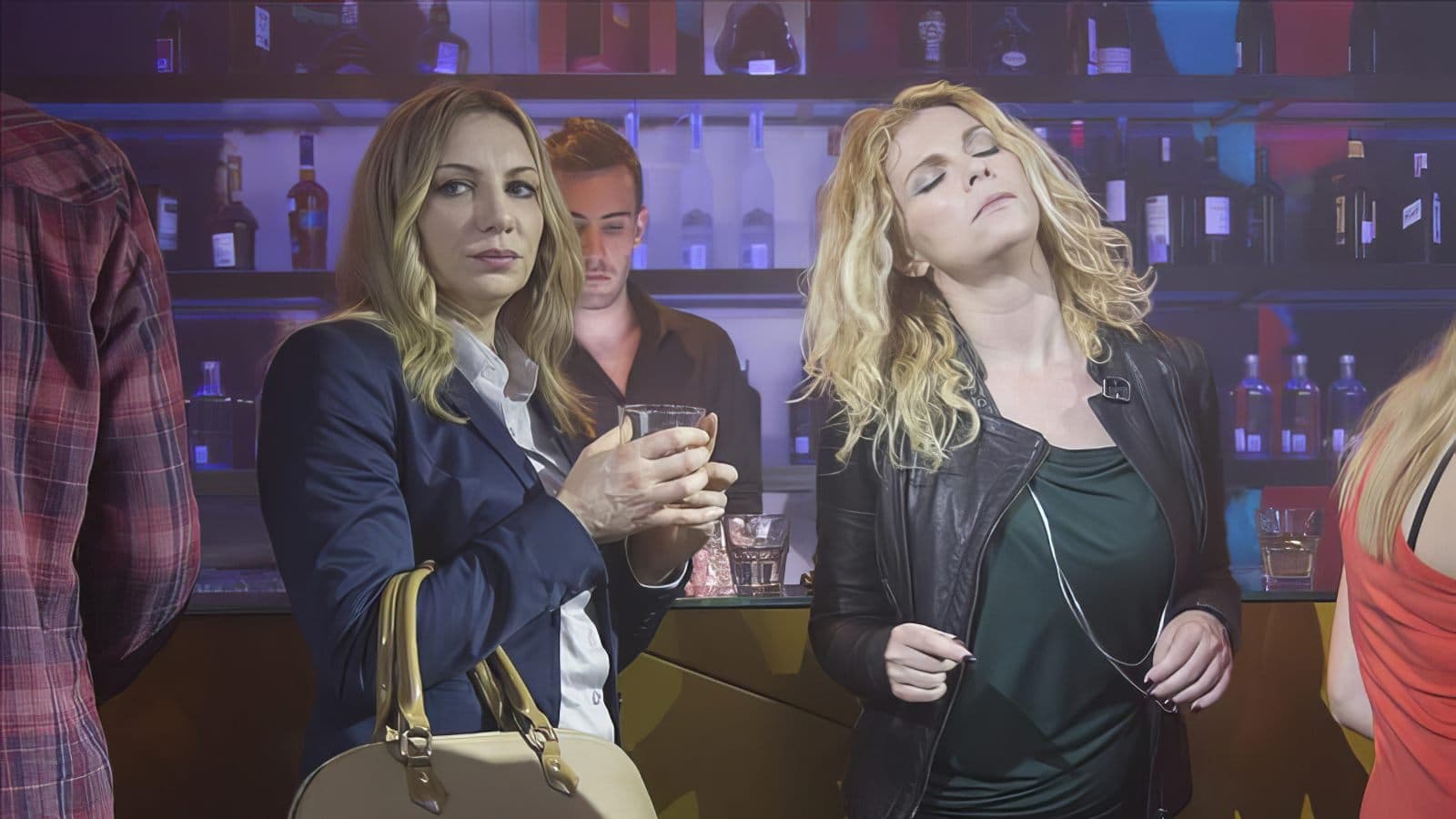
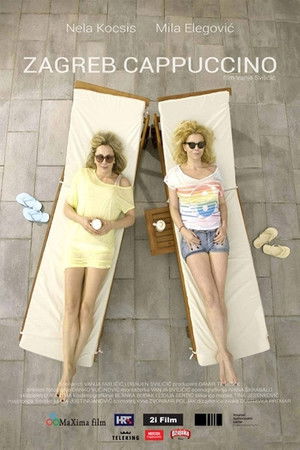


Zagreb Cappuccino is the story of two best friends, Petra and Kika. Both women are in their early forties. Petra, in Zagreb, is getting divorced, and Kika arrives from Cologne to console her. Kika, a cosmopolitan party girl, teaches Petra how to carry on with her life without a husband and a family. Over several cups of coffee and nights out we get to know their fears and problems, their solitude, insecurities and inner strength.
Dead to Me Season 2 pulls together elements of comedy, drama, romance, and thriller to craft this truly gripping series.
Crazy Rich Asians. The title is tacky, but the actual movie is both heartwarming and cosmopolitan. After all, it takes place in Singapore!
This Nickelodeon live-action TV series features strong Black representation.
The history of Hollywood is as ugly as it is beautiful. Most notably absent from Hollywood history are Black-produced films. “They’ve Gotta Have Us” explores the rise of Black cinema.
An enchanted school for young heroes and villains brings the battle between good and evil in this fantasy movie.
If you were to watch it on streaming when you have nothing to do, it’s still probably a giant waste of time, but you could do far worse. Paying $18 for a movie ticket and who knows how much for concessions turns this from an exercise in boredom to an exercise in frustration.