Workers Leaving the Lumière Factory
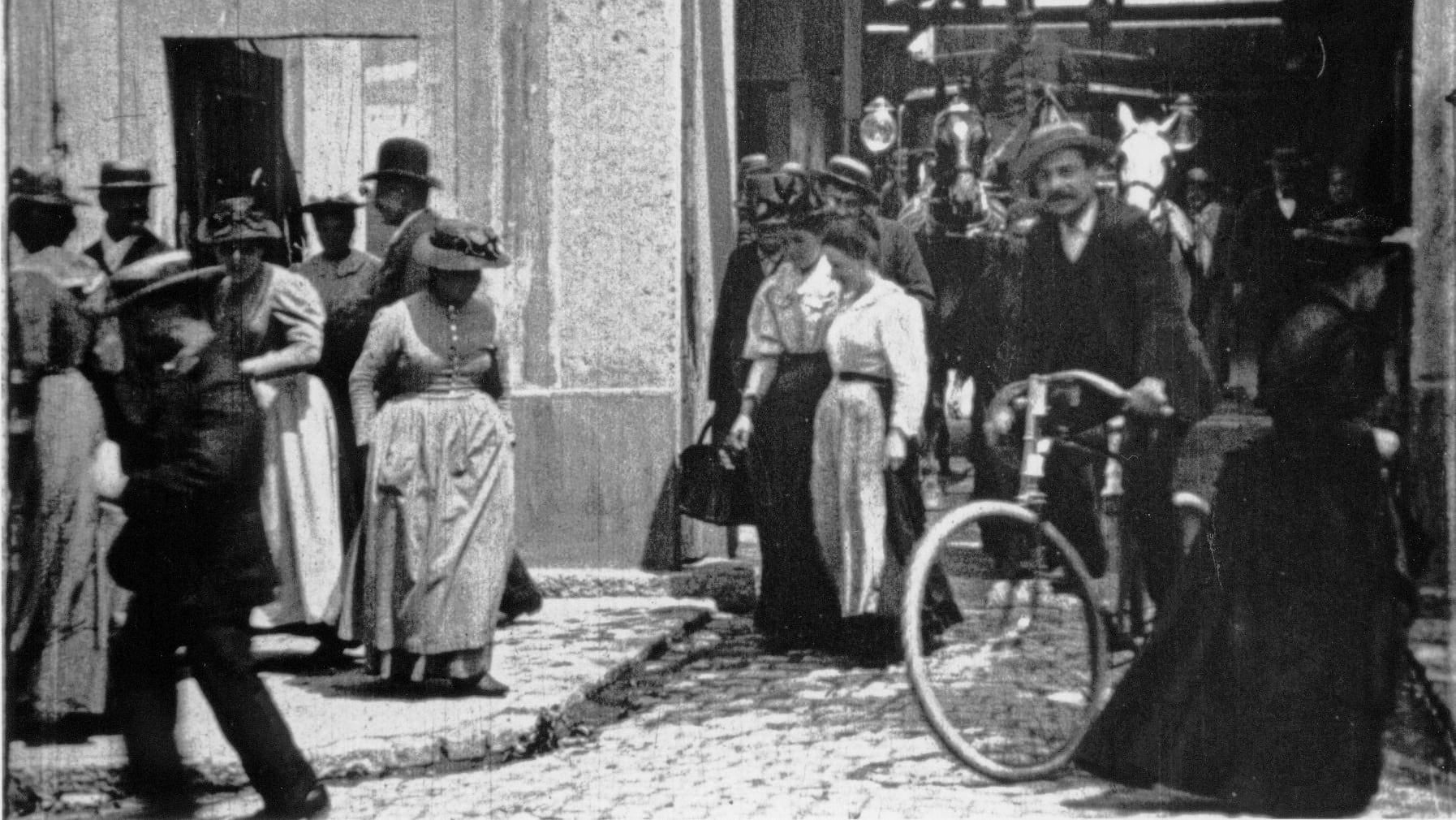
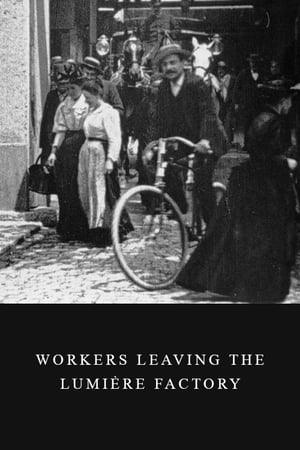
Working men and women leave through the main gate of the Lumière factory in Lyon, France. Filmed on 22 March 1895, it is often referred to as the first real motion picture ever made, although Louis Le Prince's 1888 Roundhay Garden Scene pre-dated it by seven years. Three separate versions of this film exist, which differ from one another in numerous ways. The first version features a carriage drawn by one horse, while in the second version the carriage is drawn by two horses, and there is no carriage at all in the third version. The clothing style is also different between the three versions, demonstrating the different seasons in which each was filmed. This film was made in the 35 mm format with an aspect ratio of 1.33:1, and at a speed of 16 frames per second. At that rate, the 17 meters of film length provided a duration of 46 seconds, holding a total of 800 frames.

- / 5
PopScore
Representation
Pictures and Videos

Movie Information
Working men and women leave through the main gate of the Lumière factory in Lyon, France. Filmed on 22 March 1895, it is often referred to as the first real motion picture ever made, although Louis Le Prince's 1888 Roundhay Garden Scene pre-dated it by seven years. Three separate versions of this film exist, which differ from one another in numerous ways. The first version features a carriage drawn by one horse, while in the second version the carriage is drawn by two horses, and there is no carriage at all in the third version. The clothing style is also different between the three versions, demonstrating the different seasons in which each was filmed. This film was made in the 35 mm format with an aspect ratio of 1.33:1, and at a speed of 16 frames per second. At that rate, the 17 meters of film length provided a duration of 46 seconds, holding a total of 800 frames.
Rating:
Genre:History, Documentary
Written By:
In Theaters:
Box Office:
Runtime:1 minutes
Studio:Lumière
Cast

Articles You May Like
'Hawkeye' Episode 5 Review: Rejoice! [SPOILER] is Finally Here
'Hawkeye' episode five features Clint facing his sins, Kate having dinner with an assassin, and the reveal of the long-awaited [SPOILER].
Elvis Owes Much to the Black Community
The new biopic 'Elvis' highlights the beginning and end of the career of this rock and roll legend. The audience is taken on this journey knowing the tragic ending but not so much about what led him there. A large topic of discussion is the influences on Elvis that made him who he was as a singer, musician, and performer, which were blues, gospel, and country. Many of the songs that rose him to fame were songs by Black artists he heard growing up in primarily Black settings.
It Goes all the Way to the Top: Motherless Brooklyn
'Motherless Brooklyn' is a 1950s whodunit made by its star, Edward Norton. Like most detective films in this setting, the cast is mostly white males (with a few notable exceptions).
Yara (2021): An Unfocused True Crime Narrative
The trouble with Yara (2021) is that in its attempt to tell the whole story, it struggles to tell a consistently engaging story.
“Leviticus” and Leviticus
Like most young people, Leviticus is imperfect. But I love it anyways.