


On a Fun, but Bumpy, Road with Onward
While the film didn’t hit me as emotionally as I wanted it to, I still enjoyed it. I simply wish there was a little more, particularly with the world building.
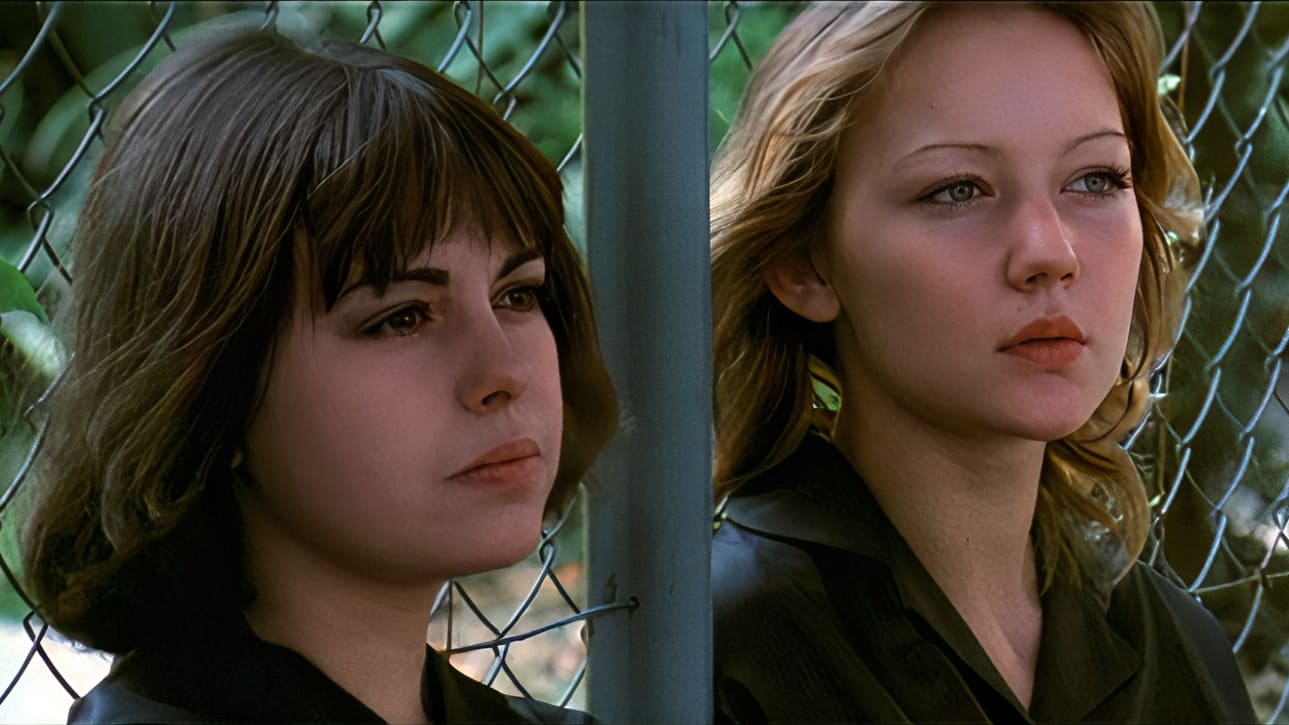



A small-time hood brings the attention of the law with an insurance scam and diamond theft, but things become even more interesting when his moll murders him and is slammed behind bars where she faces all manner of electric shock treatments to various parts of her anatomy
While the film didn’t hit me as emotionally as I wanted it to, I still enjoyed it. I simply wish there was a little more, particularly with the world building.
Yeah, sure, the movie’s about Carnage. But it’s really about love. A love that defies all odds: the love between a man and his man-eating alien symbiote.
This 2022 Netflix Film starring Rebel Wilson delivers when it comes to comedy, but leaves you wishing there was something more.
An original animated movie in the Wimpy series based on the book Cabin Fever.
Yes, "Nope" is definitely about the modern obsession with turning tragedy and horror into a spectacle for people’s enjoyment. But it's also about the power of looking, who has the right to look, and what happens to those who are looked upon.