
What is "Bugonia" Actually Trying to Say?
The film seems like an extreme interpretation of the conspiracy theorists that exist in real life. And then, there’s the twist.
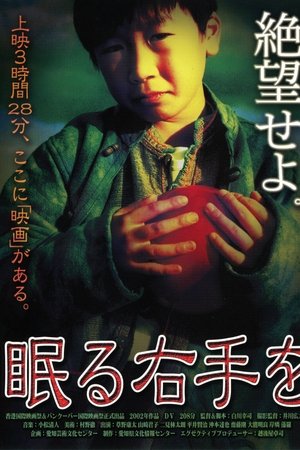


Shin, a painter, gets a fatal disease and cannot stop the shaking of his right hand. His wife Kei is a counselor, but lives without emotions. Their child, Kou reads people's minds but for that reason he lives with his own mind closed. As Shin starts losing his body functions, the family breaks down. One day, 'Sora', a gay caretaker comes into the house, so the relations of the family change, but in due course numerous tragic events occur.
The film seems like an extreme interpretation of the conspiracy theorists that exist in real life. And then, there’s the twist.
Honey Don't! is a chaotic queer noir that's part detective story, part midnight movie madness. Margaret Qualley is fantastic as the wise-cracking private eye Honey, with Aubrey Plaza and Chris Evans adding their own dry humor to the mix. The mystery itself is pretty loose, but the film makes up for it with crackling sexual tension, weird side characters, and razor-sharp dialogue. It's messy and uneven, but in the best possible way.
An incredible documentary showcasing the difficulties of living in a crumbling Rust Belt city.
One Christmas Eve, after a sudden snowstorm, a group of teenagers will discover how their lives will change forever.
A brave Indian woman rises from an oppressive background to become an inspired leader for women and men alike around the globe.