Once Upon a Time in (White) Hollywood
Tarantino's alternative history of the 1960's uncritically repeats the era's sexist and racist stereotypes.

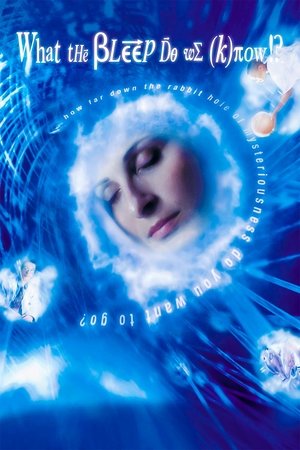


Amanda is a divorced woman who makes a living as a photographer. During the Fall of the year Amanda begins to see the world in new and different ways when she begins to question her role in life, her relationships with her career and men and what it all means. As the layers to her everyday experiences fall away insertions in the story with scientists, and philosophers and religious leaders impart information directly to an off-screen interviewer about academic issues, and Amanda begins to understand the basis to the quantum world beneath. During her epiphany as she considers the Great Questions raised by the host of inserted thinkers, she slowly comprehends the various inspirations and begins to see the world in a new way.

William Arntz, Betsy Chasse, Mark Vicente
Director
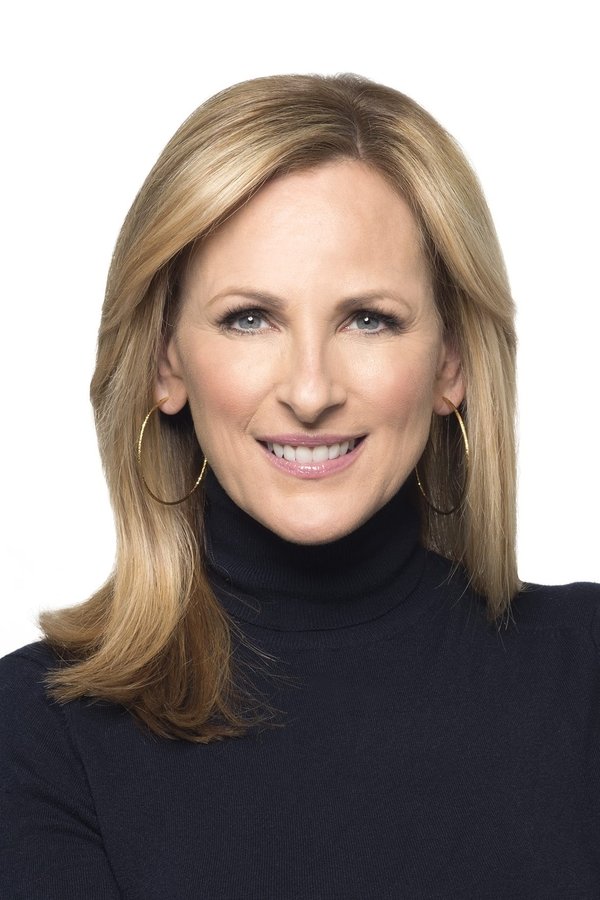
Marlee Matlin
Amanda
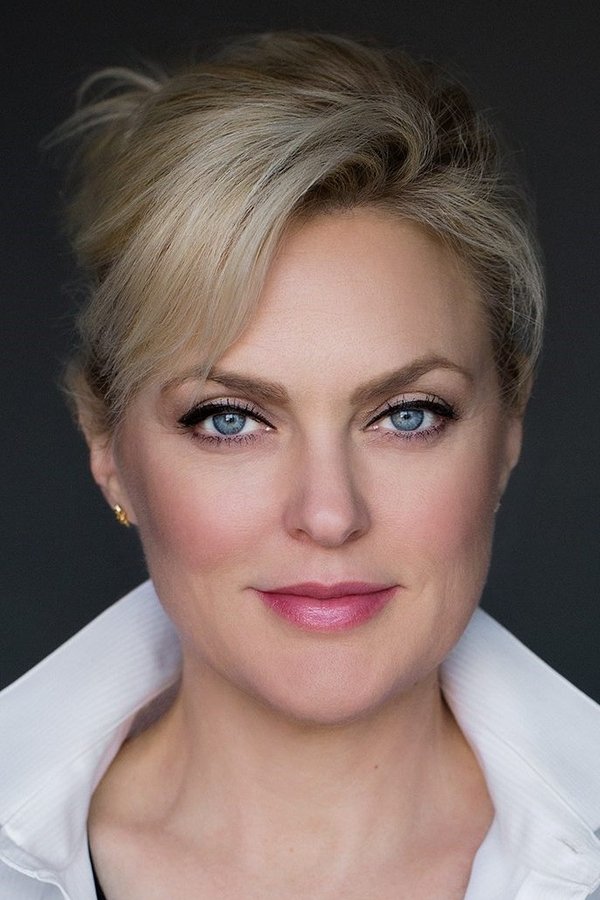
Elaine Hendrix
Jennifer

John Ross Bowie
Elliot
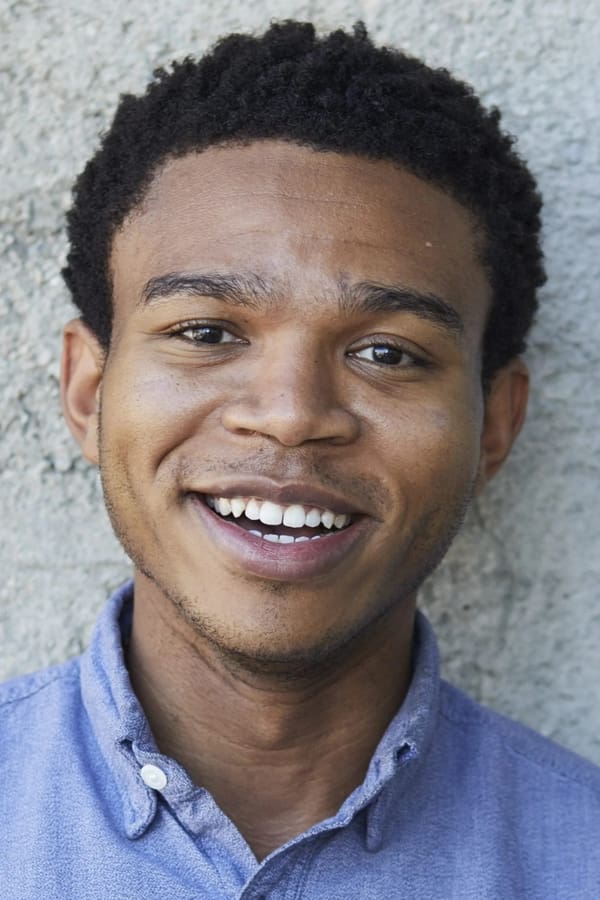
Robert Bailey Jr.
Reggie
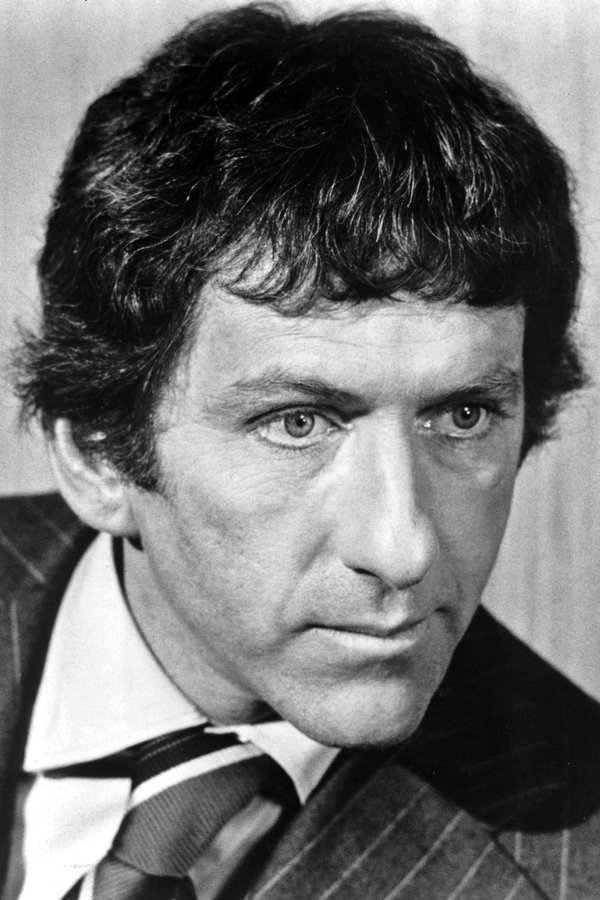
Barry Newman
Frank

Larry Brandenburg
Bruno
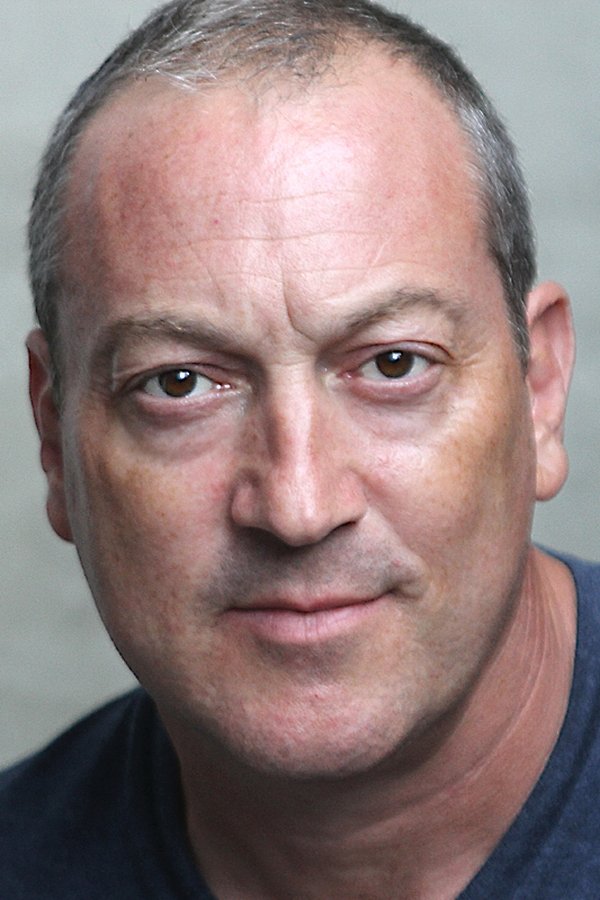
Robert Blanche
Bob
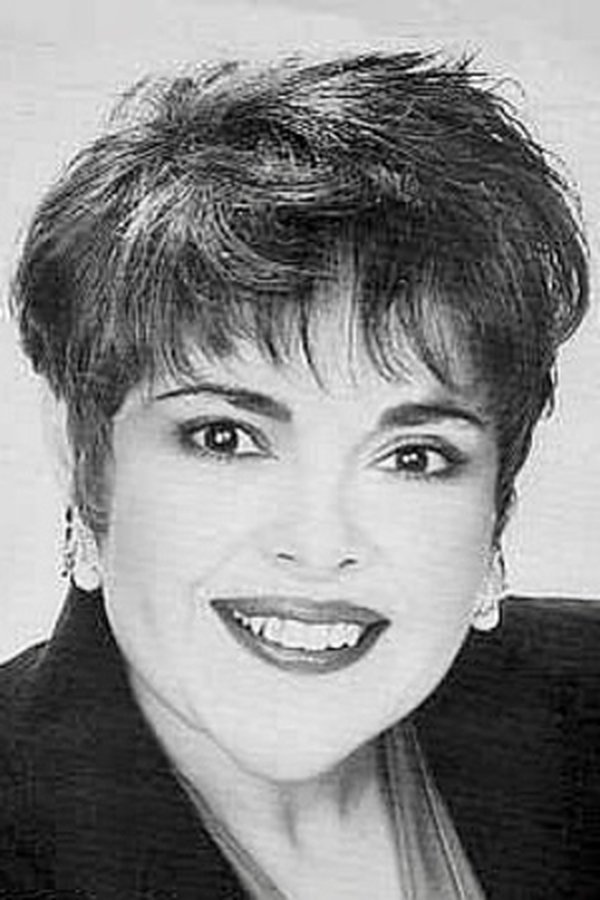
Michele Mariana
Tour Guide
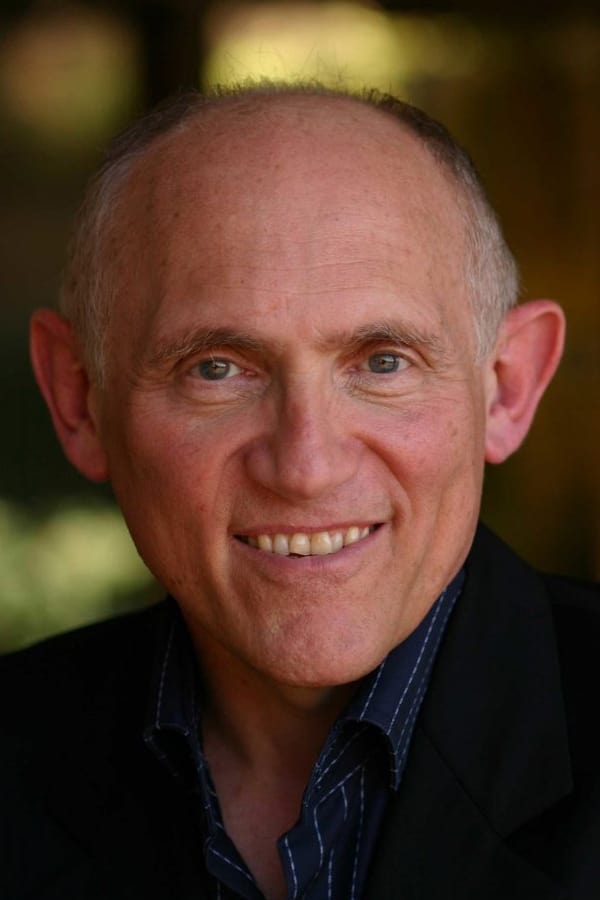
Armin Shimerman
Older Man (in subway)
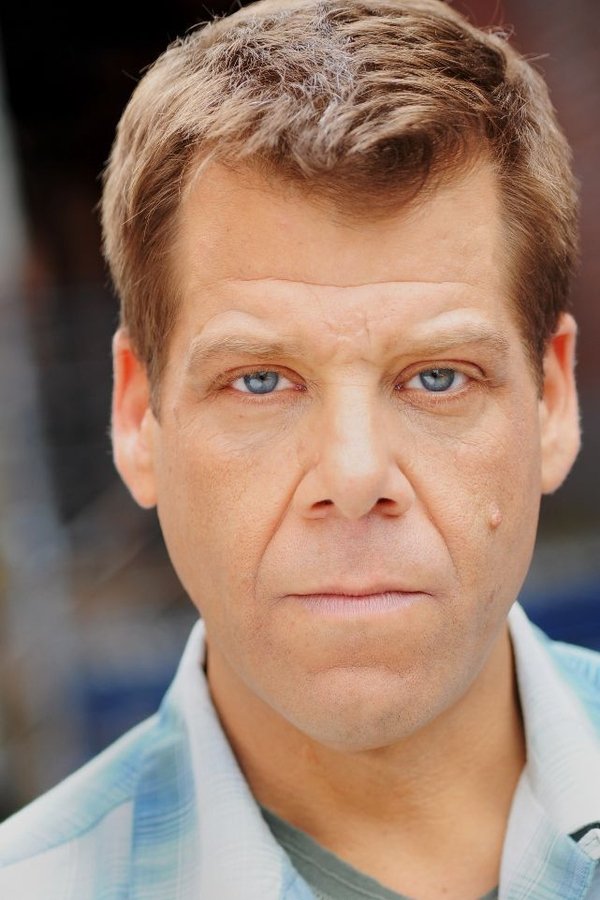
Eric Newsome
Voice Over Talent (voice)
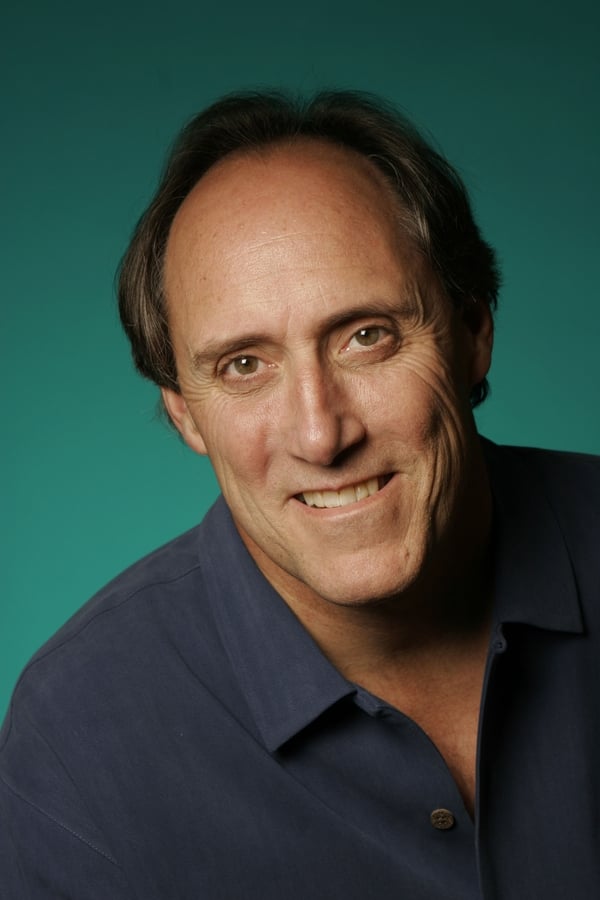
Kirk Thornton
Voice Over Talent (voice)
Tarantino's alternative history of the 1960's uncritically repeats the era's sexist and racist stereotypes.
Slumber Party Massacre is a gory film with just enough commentary on sexist excuses, the validity of women's voices, and the inherent feminism of the slasher.
Desi Arnaz was an innovator in television and Lucille Ball was a sketch comedy clairvoyant of sorts; 'Being the Ricardos' focuses on their genius as a couple, but shies away from the interracial aspect of their marriage.
‘Oppenheimer’ is a force to be reckoned with. A biopic that respects the audience’s intelligence.
Alongside A Drowning Man, I Signed The Petition, 3 Logical Exits, and A World Not Ours, A Man Returned continues to paint a realistic portrait of the Refugee Crisis that eschews the Western gaze and stereotype. These are real portraits painted by a director with lived experience, cultural connection and an amazing eye for visuals.
Incluvie's best movies with female leads. Check out this article which presents top 30 Female Protagonists in Film. The characters that made the cut are in essence - girls that kick butt, challenge stereotypes/gender norms.