



Reflecting on 'The United States vs. Billie Holiday'
Lee Daniels’s Billie Holiday biopic The United States vs. Billie Holiday was released on February 26th, 2021, and my immediate reaction to it was one of discomfort.
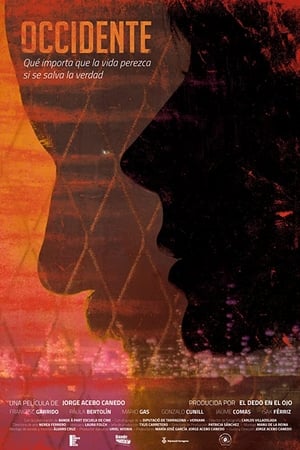


A fugitive film director in exile, called H, returns to the industrial city of which he fled in the past, in a time and place unknown. Gloria, the working woman who loved and left behind lives subjected to routine. But H, unable to adapt, convince her to run away together to a place that no one remembers the outside of civilization.
Lee Daniels’s Billie Holiday biopic The United States vs. Billie Holiday was released on February 26th, 2021, and my immediate reaction to it was one of discomfort.
If the message here is that without a support system, grieving people turn into monsters, it’s not really well-delivered and may be flawed as a message itself.
We can criticize depictions from old media, but they weren’t simply “good for their time”. They were fighting and struggling in a world we can’t imagine.
Disney has a glaring and, up until recently, unaddressed issue that spans nearly its entire lifetime - an absence of diversity.
Disney’s Hunchback of Notre Dame is a unique film coming from the same studio that brought us The Little Mermaid and Aladdin. While it does have its silly moments to maintain Disney’s family-friendliness, it also carries themes that stick to audiences years after its release.
Written and directed by Eva Victor, who also plays Agnes, the main character, Sorry, Baby is slow and artsy, but extremely effective. It shows how the trauma developed after a sexual assault has a ripple effect and loudly echoes in the victim and her life for years after.