
'Love at First Sight': What are the Odds?
The initial reaction and review of Netflix's newly released romantic comedy featuring Haley Lu Richardson and Ben Hardy. Spoilers included!
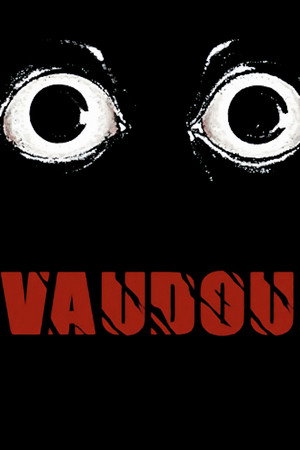


It was from Dahomey (now Benin, Africa) that the cult of the deads was exported - through the slave trade - to Brazil, and Haiti. The film narrates the modern story of this ethnographical, religious culture. A team of initiates could film troubling images documenting initiation ceremonies and the sacred lethargy that can take as much as seven, or even eleven days, and in which the body started decomposing itself. Then, the resuscitation happens.
The initial reaction and review of Netflix's newly released romantic comedy featuring Haley Lu Richardson and Ben Hardy. Spoilers included!
The film reminds us to remember the people who had the courage and dignity that had made the world better, even when the memory was absent.
The problem isn’t that it’s bad. It's good. But it fails to stand out from a crowd of similar films.
Writer and producer of 'Remember Me: The Mahalia Jackson Story', Ericka Nicole Malone discusses her humble beginnings in the industry.
Yeah, sure, the movie’s about Carnage. But it’s really about love. A love that defies all odds: the love between a man and his man-eating alien symbiote.
"Clifford the Big Red Dog" retells the adventures of Emily and her striking puppy to highlight the joy of being different and inspire another wave of young fans.