









"East Side Sushi"
When Juana tries real sushi for the first time, she is immediatley smitten by it and discovers a passion she never knew she had.
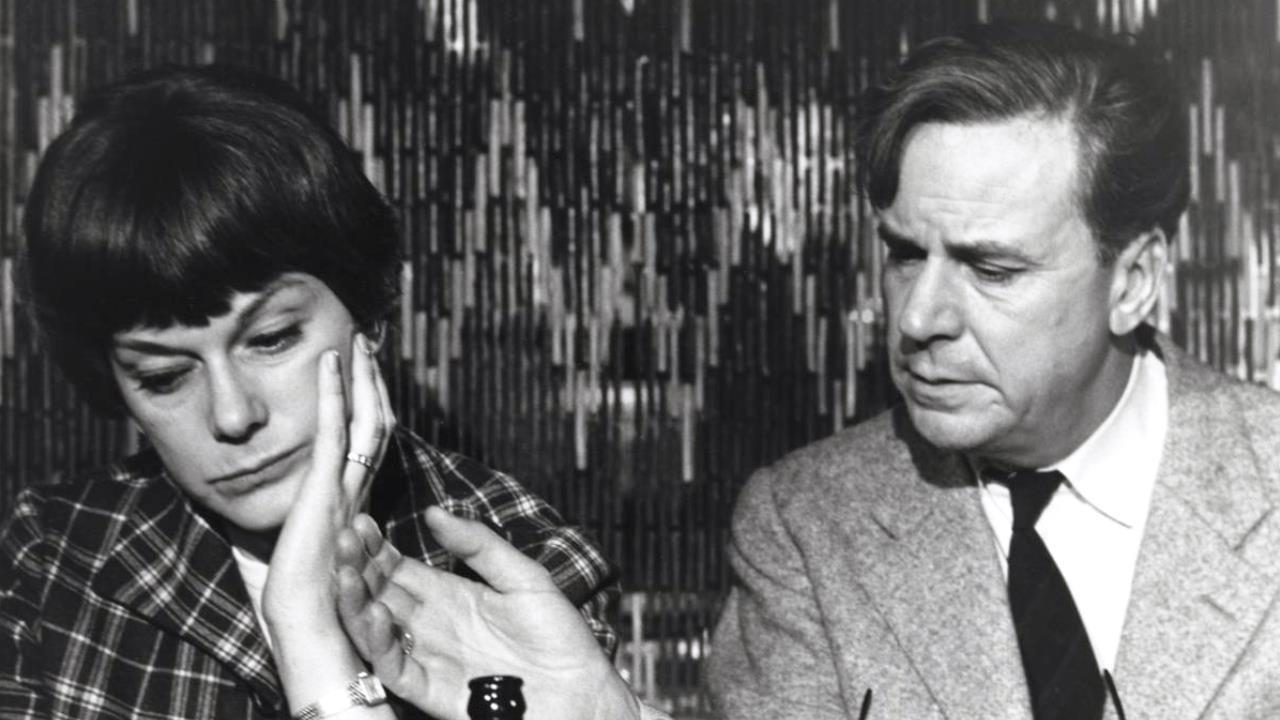



She loves to ride in the bus and read smart book ... He likes to sit by the water and drink soda ... She loves to write down their thoughts on the fly and be glad that they do not end ... He likes to watch as boats come and invent passengers biography ... She loves ice cream and menthol cigarettes ... And he - horses and storefronts ... She had to roam the streets at night, even if you do not want to ... he loves the city nightlife, which helps him to dream ... and one day ... quite by accident ... They meet ... hE and SHE ...
When Juana tries real sushi for the first time, she is immediatley smitten by it and discovers a passion she never knew she had.
The external threat invaded the domestic environment at the most valuable moment: grieving.
This is not a film, it’s a drop tower. A drop tower that you don’t get off of for the vast majority of its 106-minute runtime.
There is a lot of controversy around Q-force. It’s certainly not hard to see why—the series is quite hyperbolic. I will say, that was the first aspect I noticed on my initial watch. Right from the get-go Q-Force barrages you with gay joke after gay joke. This is hit or miss throughout the series.
Treated like a granter of wishes for those earning out of retelling the same tragedy, Marilyn looks like she's caged in different stages of trauma for us to stare at, instead of someone we’ve finally allowed to rest in peace.
A successful author’s life is upended when she finds herself on a plantation straight out of the antebellum south.