


"Small Talk": An Incluvie Film Festival Review
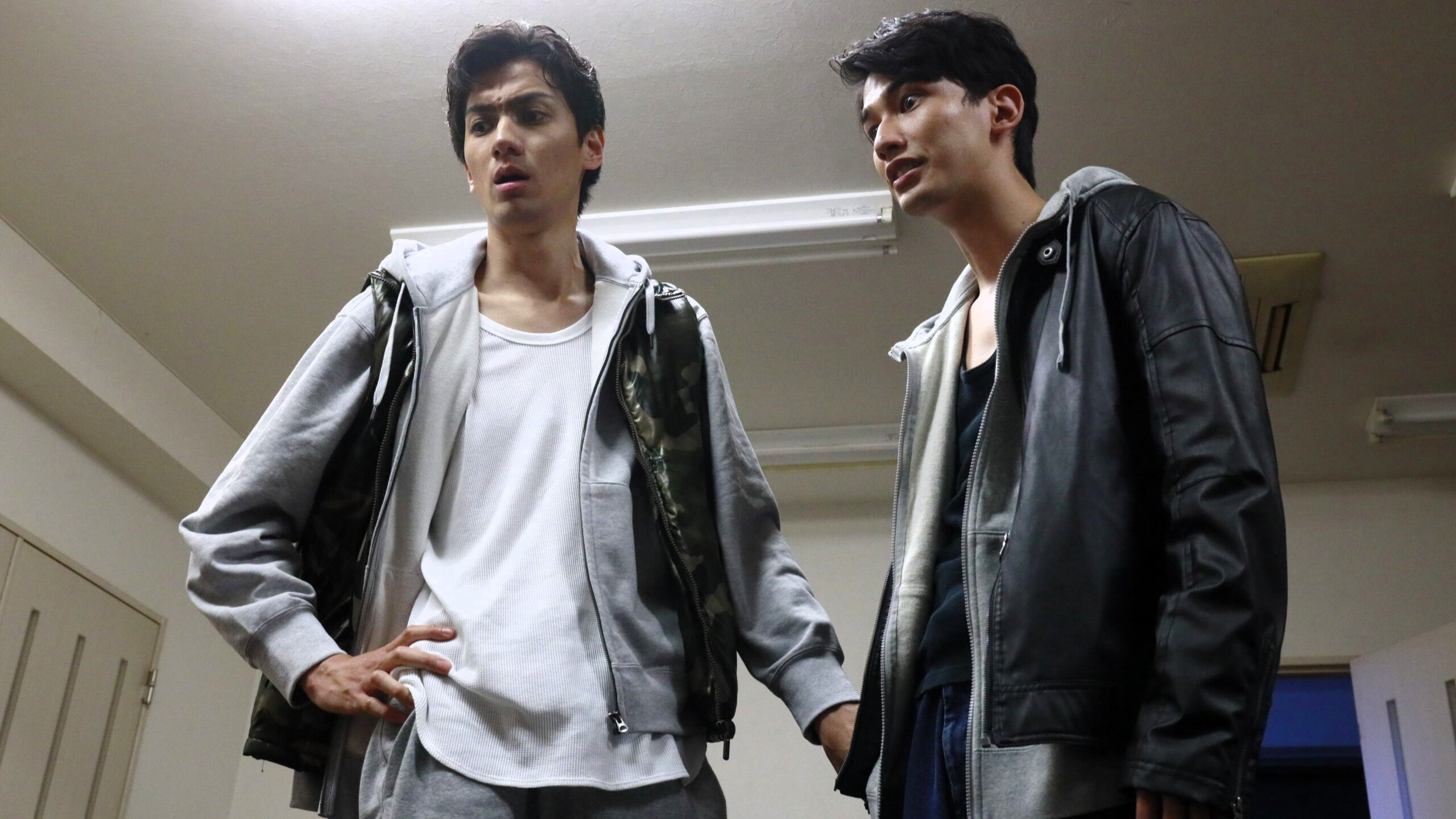
The most impressive aspect of this film is the honest and natural performances given by the on-screen duo.

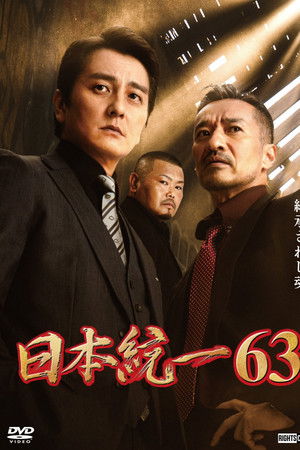
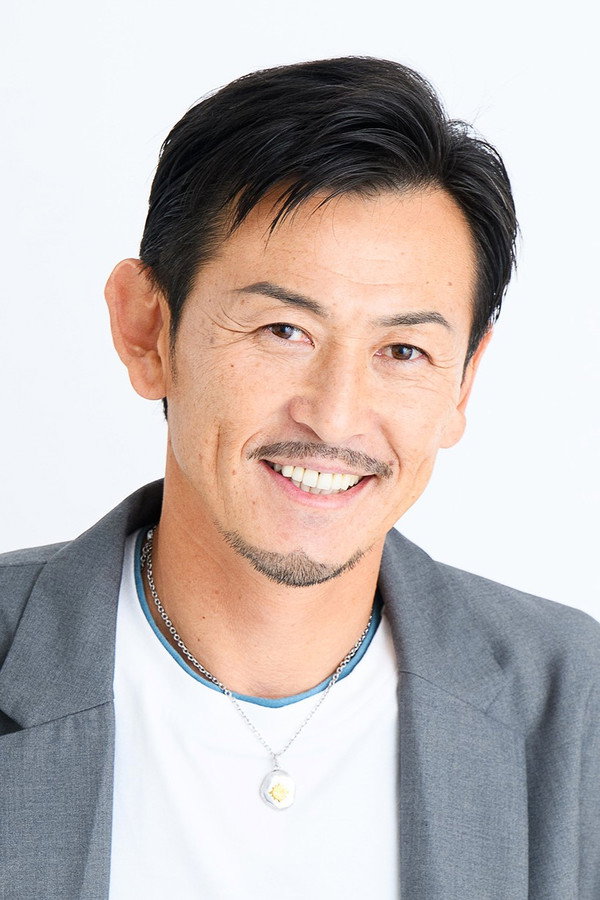
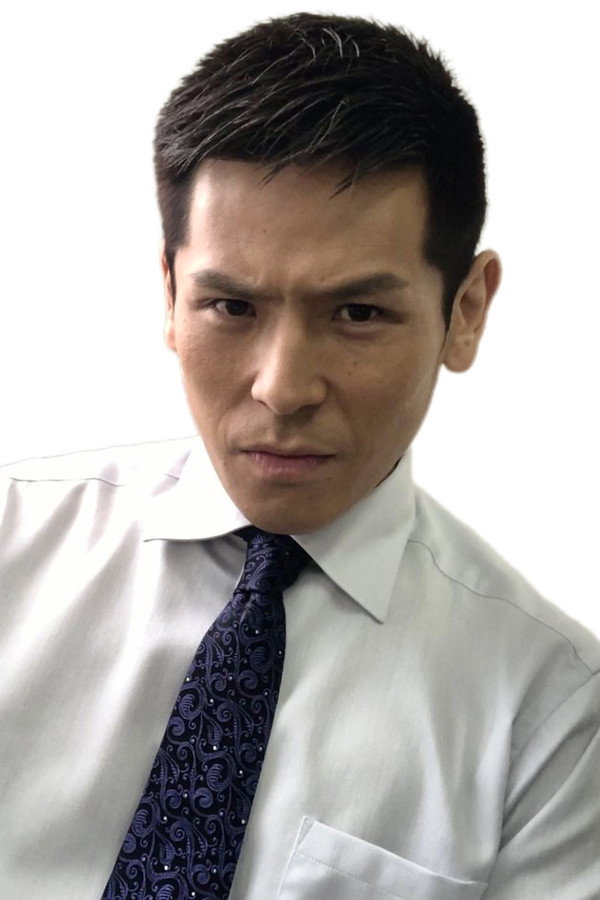
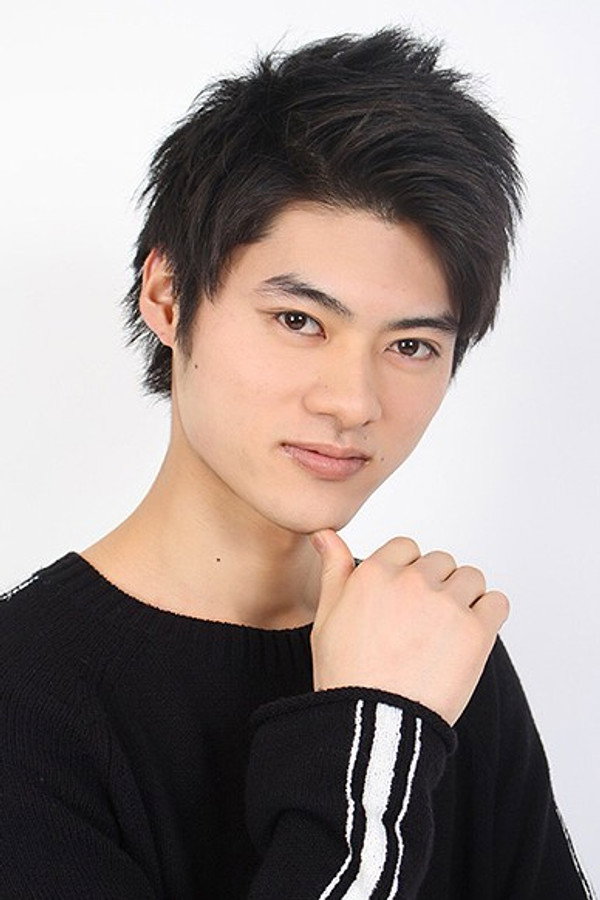
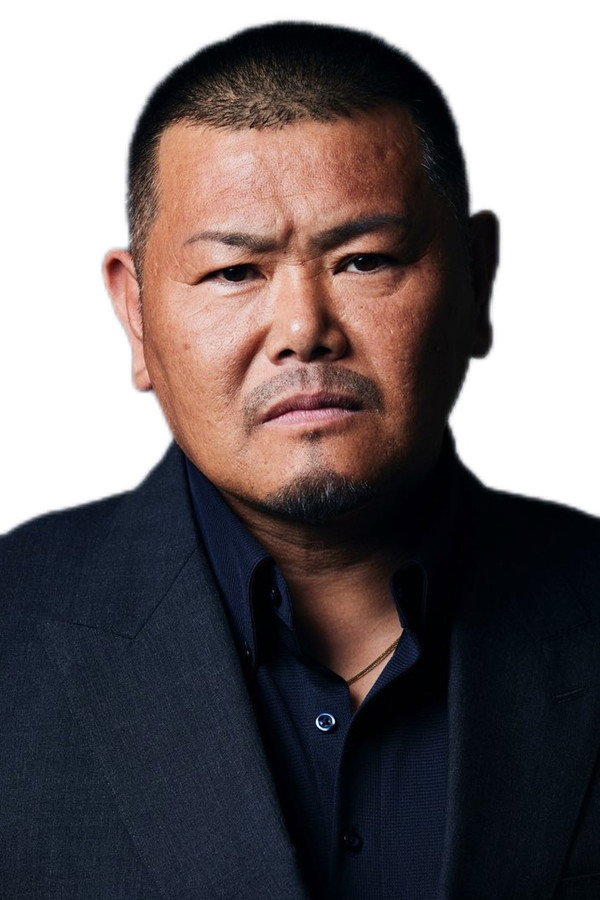
After wiping out the Kamome Church, Himuro (Yasukaze Motomiya) and Tamura (Yoshiyuki Yamaguchi) put the matter to rest. Himuro returns briefly to Kobe with Joji (Takashi Kitadai), reflecting on how Kobe has become home and on their violent past in Yokohama. Meanwhile in Kobe, a delinquent group led by Isamu (Hidemi Higa) and Nobumitsu (Takuya Negishi), reminiscent of the younger Himuro and Tamura, causes trouble in Masaki-gumi territory. Following Kawatani’s (Hitoshi Ozawa) orders, Joji visits Masaki-gumi with Ishizawa (Hiroto Honda) and Yamamura (Kenta Kawasaki), but is delayed by Masaki’s (Yoshiaki Umegaki) old-fashioned lecturing. Soon after, a Masaki-gumi member reports being robbed by Isamu’s group. Although Joji offers to help, he is turned away. Not long after, Isamu and his crew appear at the Masaki-gumi gambling den, threatening to ignite a new conflict.
The most impressive aspect of this film is the honest and natural performances given by the on-screen duo.
Of the 28 total films I watched, just six of them were queer or featured queer characters in some way.
Considering the runtime, I expected each scene to hit harder as opposed to a series of montages and vignettes.
The Lighthouse is patient and hypnotic, pulling us in with its mysterious atmosphere and characters. The film’s slow pace proves to be monumentally effective, showcasing the tedious nature that comes with isolation and poor two-way communication.
The director's latest is a dreamlike exploration of a consciousness torn between two homelands, and the implications of history and memory suspended in limbo.