


Living People in "It Was Just an Accident"
It doesn’t offer an absolute answer for the dialectical ethical questions that emerged in search of justice but portrays the characters as living people beyond the identities of victims.

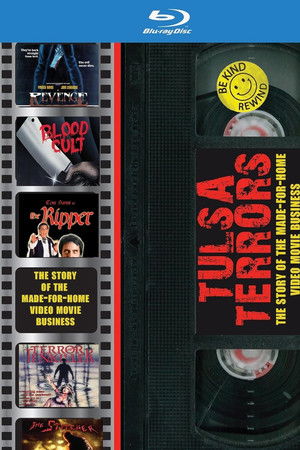
Tulsa Terrors follows the direct-to-home-video movie boom of the late 1980s, which began in part due to some tenacious Oklahomans. "Thanks to RSU TV – northeastern Oklahoma’s public-television station – and its senior producer-director, Bryan Crain, I was recently able to co-produce and direct a documentary that I’ve been itching to do for a long time. I was on the scene as a Tulsa World entertainment writer at the time, so I was lucky enough to have witnessed firsthand the start of the whole phenomenon and how it impacted home entertainment across the country and even the world.
It doesn’t offer an absolute answer for the dialectical ethical questions that emerged in search of justice but portrays the characters as living people beyond the identities of victims.
The film didn’t have to be as long as it is. It just dragged on and on with scenes that had no substance. Every so often we get an action scene, and even those isn’t that fun.
The film may be a thriller, but I wasn’t thrilled by it. If anything, I was bored and annoyed.
Although the budget was a dollar and a dream, Netflix's 'First Kill' managed to gain over 90 million viewing hours and a small cult following. So why was it canceled? Given the trends in series cancellations, it may have been because of the Black and queer protagonists.
How do zombie films shine new light in the post-Covid and post-Brexit era?