
“Driveways” Review
"Driveways" is a nuanced portrait of an Asian American family, touching on themes of loss, growth, and belonging.
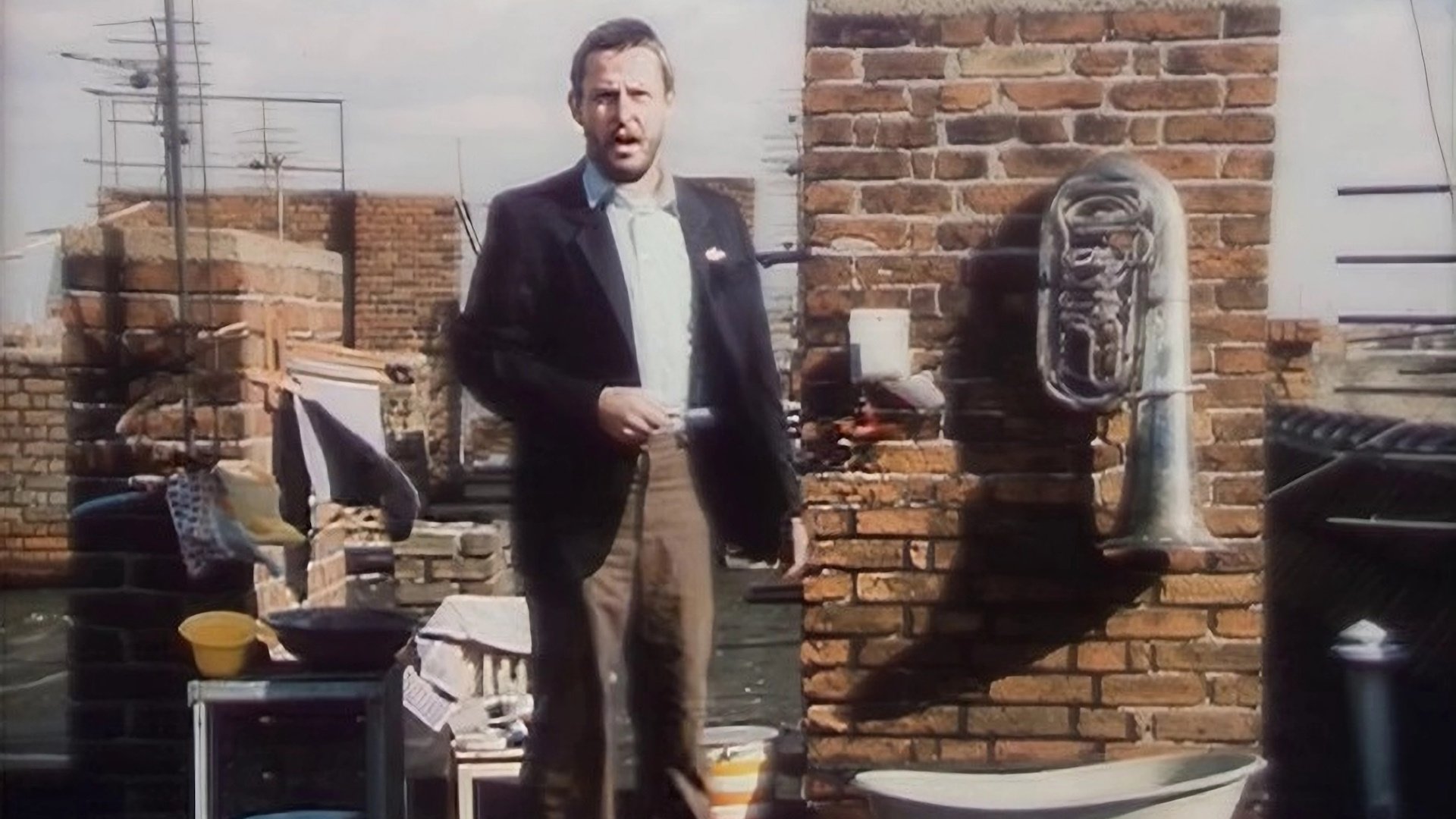



Two men sit on the top of a roof, playing the tuba. They continually call out absurd messages making fun of official solutions and of their own slogans. The residents feel disturbed by the tuba's sound and start to attack the musicians, while they themselves keep on playing and shouting louder and louder. Finally the house is blasted and the tubas are destroyed.
"Driveways" is a nuanced portrait of an Asian American family, touching on themes of loss, growth, and belonging.
Steven Soderbergh’s Contagion is a fan-favorite, as are some of the more science fiction angled movies like 28 Days Later or World War Z. I recently watched the 1995 Wolfgang Peterson-directed movie, Outbreak for the first time, which is currently available on Netflix.
As a huge fan of Sean Baker’s Tangerine, The Florida Project, and Red Rocket, I’ve wanted to watch Anora since before it even was released. But life got in the way, my watchlist grew, and honestly, the fact that it was marketed as a romantic comedy put me off. Even with all the critical praise and the five Academy Awards it won last year, I just kept postponing it indefinitely.
Documented human suffering is never easy to view or read about and is understandably triggering for many people, but it can be educational, and education is a key to change. An overwhelming amount queer people worldwide (and in my own country) have it far worse than I could imagine, and documentaries such as Welcome to Chechnya bring issues to light that certain groups of people would never see.
Throughout Brendan Fraser’s career, he has played a plethora of unique, layered characters who explore the importance of not being afraid to display your emotions, something that is often seen to not be a masculine trait. This idea of regulating emotion and what traits men are able to possess creates a toxic atmosphere for men who are often told they should not cry or represent their emotions in any physical way. These characters represent that men can be joyful, emotionally conscious, and sensitive, while also representing their masculine identity instead of painting those qualities as fighting against their masculinity.