

Joanelle Romero Discusses Native Indigenous Representation
I have talked with founder of Red Nation Television Network, Joanelle Romero, and the future of Indigenous representation looks bright.
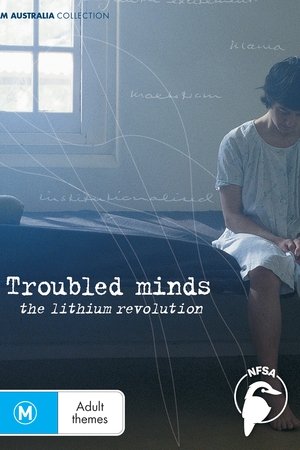


In a disused hospital pantry in the 1940s, an Australian doctor discovered an astonishing treatment for bi-polar disorder (or manic-depression, as it was then known). It would change the way we think about mental illness and mark the beginning of psychopharmacology - using drugs to manage psychiatric conditions. It would take 20 years of struggle before lithium treatment was finally accepted, but the scientists and psychiatrists who followed Cade's lead persevered. Their work has meant a chance at stability for hundreds of thousands of people around the world, and lithium remains the benchmark for bi-polar treatment today.
I have talked with founder of Red Nation Television Network, Joanelle Romero, and the future of Indigenous representation looks bright.
One of the reasons I love watching movies is that, much like books, they serve as windows into other times and different places. Productions from around the world offer valuable insights into the history and culture of their respective countries. And just like literature, cinema can help us understand the present by showing us the past.
Disney has cleverly managed to dance around the misdeeds of their past by scraping by with an insincere action that does very little to incite any long-lasting positive changes.
An episode of "The Sopranos" articulates an identity crisis unique to the Italian-Americans and demonstrates how Indigenous communities are pushed aside in the ensuing debate.
Spotlighting the legacy of the legendary Raymond Lewis through the love of a devoted daughter.
Nope succeeds tremendously in dealing with higher concepts in an engaging and highly entertaining manner without sacrificing theme or personality.